
Skip to content
Wellness Wag

Flying with Your
Psychiatric Service Dog (PSD)

Fly with your psychiatric service dog by your side in the cabin, without paying pet fees.
Flying with Your Emotional Support Animal
Discover & Navigate the Air Carrier Access Act (ACAA)

Discover & Navigate the Air Carrier Access Act (ACAA)

The Air Carrier Access Act (ACAA) protects the rights of passengers traveling with disabilities, including those who rely on service animals. Under the updated U.S. Department of Transportation (DOT) guidelines, airlines are required to recognize Psychiatric Service Dogs (PSDs) as service animals, ensuring they can travel in the cabin at no extra cost. To qualify, your PSD must be individually trained to perform tasks related to your mental health condition, and you’ll need to submit the DOT Service Animal Air Transportation Form to your airline before the flight.
While Emotional Support Animals (ESAs) are no longer recognized as service animals under the ACAA, they can still travel with you under most airlines’ pet travel policies. These policies vary by carrier and may include pet fees, approved carrier dimensions, and weight limits. At Wellness Wag, we guide you through these evolving regulations with clarity and care, helping you understand your rights, prepare proper documentation, and ensure a safe, stress-free experience for both you and your companion.

A New Chapter in Air Travel for PSD & ESA Owners

Since early 2021, major U.S. airlines have aligned with Department of Transportation(DOT)’s updated guidelines to ensure safe and comfortable travel for passengers and their animals.
Airlines are only legally required to recognize Service Animals, including Psychiatric Service Dogs (PSDs). ESAs are now treated as pets by most airlines, meaning owners must follow each airline’s pet travel policy (fees, carrier rules, etc.).
However, some regional or international airlines may still allow ESAs under specific conditions. Wellness Wag keeps you informed about each airline’s most up-to-date requirements so you can choose the right option for your journey.
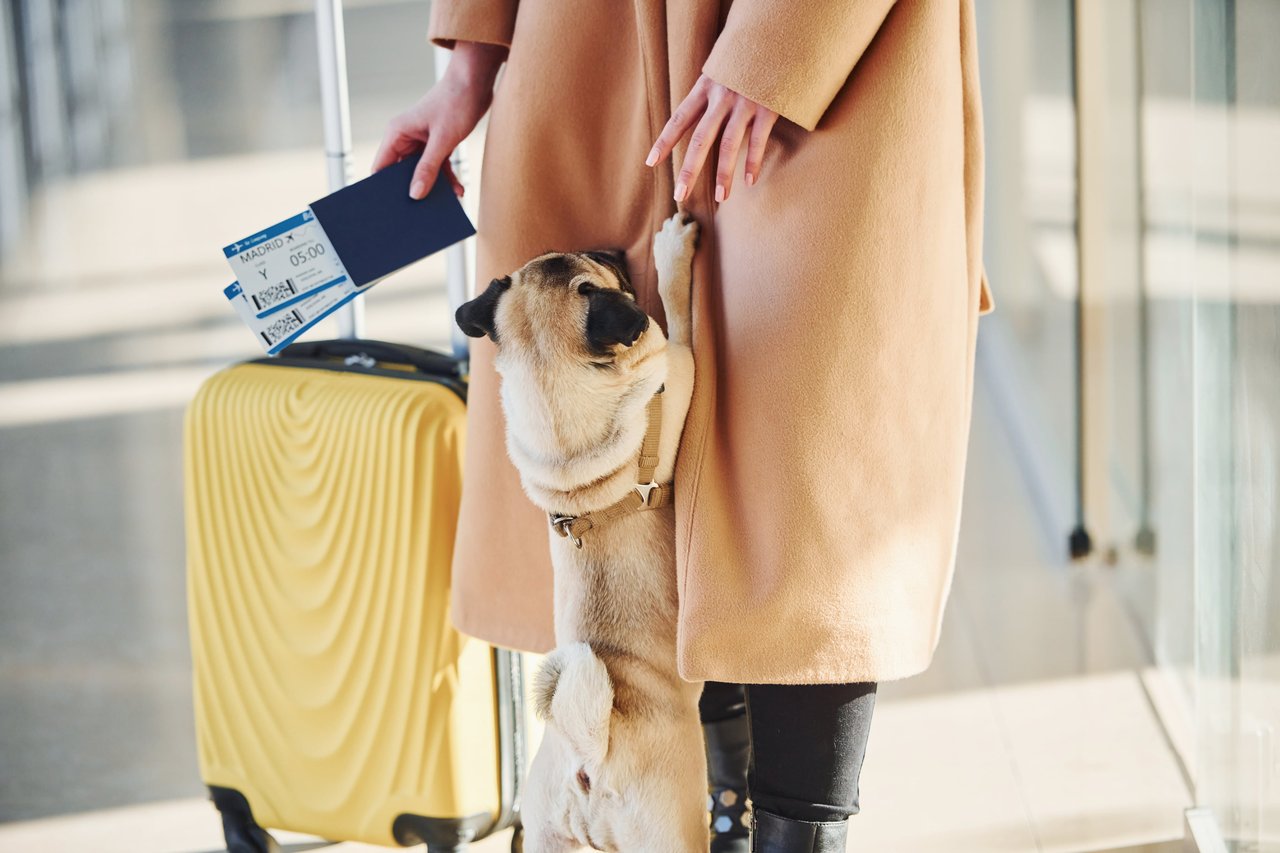
A New Chapter in Air Travel for PSD & ESA Owners
Fly Stress-Free with Your PSD

Fly Stress-Free with Your PSD

Traveling with your PSD doesn’t have to be complicated. With the right preparation and documentation, you can make every part of the journey smoother, from booking your ticket to boarding the plane. Start by confirming your airline’s current policy for Psychiatric Service Dogs (PSDs), and submit any required forms, like the DOT Service Animal Air Transportation Form, in advance.
On travel day, arrive early, keep your companion’s essentials (water, treats, harness, and carrier) easily accessible, and inform airline staff of your PSD during check-in. Small steps like these can make a big difference in ensuring a calm, comfortable experience for both you and your trusted companion.

Why You Can Rely On Us?

At Wellness Wag, we believe your pet deserves care rooted in both science and compassion. Each article is carefully researched, written in clear language for pet owners, and then reviewed by qualified professionals to ensure the information is evidence-based, current, and practical for real-life care. Our goal is to help you feel confident in making informed decisions about your pet’s health and well-being.

Reviewed by

Angela Morris, MSW, LCSW

Angela is a licensed clinical social worker with 20 years of experience in patient advocacy and community mental health. She has assisted numerous clients with ESA evaluations and brings a deep understanding of disability accommodations, ensuring that all information is accurate, supportive, and practical.

Angela Morris — Medical Reviewer

Frequently Asked Questions

Yes. Under the Air Carrier Access Act, U.S. airlines must allow trained psychiatric service dogs to fly in the cabin with their handlers. Your dog must be individually trained to perform tasks related to your mental health condition, and it must behave well and stay under your control throughout the flight.

No. Airlines can’t charge pet fees for trained service dogs, including psychiatric service dogs. However, you can be charged for any damage your dog causes, just as any passenger would be.

Most airlines require the U.S. Department of Transportation Service Animal Air Transportation Form, which confirms your dog’s training, health and behavior. For flights of 8 hours or longer, airlines may also ask for the DOT relief attestation form, which confirms your dog can relieve itself without causing a sanitation issue.

If you book more than 48 hours before your flight, an airline can ask you to submit your DOT forms up to 48 hours before departure. If you book closer to your flight, you can usually submit them at the gate. Check your airline’s policy when you book so you have everything ready on travel day.

Your PSD must fit in the floor space in front of your seat or on your lap without blocking the aisle or emergency exits. It must stay on a leash, harness or tether at all times. If your dog is too large for your space, the airline may offer another seat or flight.

Since 2021, most U.S. airlines have treated emotional support animals as pets, not service animals. That means your ESA must follow the airline’s pet policy, which usually includes a fee, an approved carrier and size or weight limits. Some regional or international airlines may still accept ESAs under specific conditions.

No. In December 2020, the U.S. Department of Transportation revised its Air Carrier Access Act rules so that emotional support animals are no longer considered service animals. Since the change took effect in January 2021, airlines have treated ESAs as pets, so an ESA letter doesn’t give your animal free cabin access or exempt you from pet fees. Your ESA letter can still support your housing request in many states, but for air travel you’ll need to follow your airline’s pet policy. If your dog is trained to perform tasks related to your mental health condition, it may qualify as a psychiatric service dog instead.

Yes, in some situations. An airline can refuse a service dog that behaves aggressively, causes significant disruption or poses a direct threat to the health or safety of others. Airlines can also refuse a dog if the required DOT forms haven’t been completed.

The Air Carrier Access Act covers U.S. airlines on all flights and foreign airlines on flights to or from the U.S. Your destination country may also have its own entry requirements, such as vaccinations, microchipping or quarantine. Check your airline’s policy and your destination’s rules well before your trip.

Having a Hard Time to Decide?

Talk with your favorite AI assistant or connect with a licensed professional to see how Wellness Wag can help you qualify for an ESA letter online.

A man affectionately holding his puppy

Are You Ready to Start the Process?

Say goodbye to pet fees and always have your beloved companion by your side, no matter where you live.

Get Your PSD Letter Now