



Skip to content
Wellness Wag

Everything You
Need to Know About Service Dogs

Live and travel independently, with your service dog legally by your side wherever you go.
A service dog working with its handler
FOX
MarketWatch
MSNBC
ABC
A service dog assisting its handler
Service dogs play a crucial role in aiding individuals with disabilities. These remarkable canines are specifically trained to provide assistance, support, and independence to people facing a wide range of disabilities. Whether it’s helping individuals with visual impairments navigate their surroundings, alerting deaf individuals to important sounds, or assisting those with mobility limitations in their daily activities, service dogs are trained to perform specific tasks tailored to the needs of their handlers. These highly skilled companions offer not only practical assistance but also emotional support, enhancing the overall well-being and quality of life for individuals with disabilities. With their unwavering dedication and remarkable abilities, service dogs truly make a remarkable difference in the lives of those they serve.

What is a Service Dog?

Service dogs are highly trained canines that play a crucial role in assisting individuals with disabilities. These remarkable animals are specifically trained to perform tasks and provide support to their handlers, enabling them to navigate their daily lives with greater independence and confidence.

Service dogs undergo extensive training to acquire the skills necessary to assist people with disabilities. They are trained to perform a wide range of tasks tailored to the needs of their handlers. These tasks can include guiding individuals who are visually impaired, alerting deaf individuals to sounds, mitigating the effects of psychiatric episodes, assisting those with mobility limitations by retrieving items or opening doors, and even detecting and responding to seizures.

The versatility of service dogs is remarkable, as they can assist individuals with various types of disabilities. Service dogs are trained to support people with physical disabilities, helping them with tasks that may be challenging or impossible to perform independently. Additionally, they can provide assistance to those with sensory disabilities, alerting them to important sounds or signals in their environment.

Service dogs also offer crucial support to individuals with psychiatric disabilities. These dogs can detect signs of anxiety, depression, or other psychiatric episodes and provide comfort and reassurance to their handlers. Their presence alone can help mitigate the effects of these conditions and promote emotional well-being.
Furthermore, service dogs are trained to assist individuals with intellectual disabilities, providing companionship, emotional support, and assistance with daily activities. These dogs can offer a sense of security and stability, helping individuals navigate social situations and promoting their overall independence.
Service dogs are highly trained animals that fulfill a vital role in assisting people with disabilities. They are trained to perform specific tasks and provide support tailored to the unique needs of their handlers. Whether it’s guiding the visually impaired, alerting the deaf, mitigating psychiatric episodes, assisting with mobility, or offering emotional support, service dogs make a remarkable difference in the lives of individuals with disabilities.
A person sitting on a chair with a dog resting underneath

Legal Rights and Benefits of Owning a Service Dog

Public Access Rights

Service dog owners can bring their dogs into public spaces such as restaurants, stores and libraries. These dogs are trained working animals, not pets, so businesses cannot deny them entry under “no pets” policies.

Housing Rights

The Fair Housing Act ensures that individuals with service dogs are allowed to live with their dogs in rental properties, even if there are no-pet policies in place. Housing providers must accommodate service dogs.

Transportation Rights

Service dogs are allowed on public transportation, including buses and airplanes, without additional fees. Airlines must accommodate service dogs in the cabin according to specific guidelines.

Owner Responsibilities

Service dog owners must ensure their dogs are well-behaved, properly trained, and under control. While they have legal access rights, it's important to respect individual guidelines set by establishments.

Top Service Dog Breeds

When it comes to service work, certain dog breeds stand out for their exceptional qualities and suitability for assisting individuals with disabilities. These breeds possess a combination of intelligence, trainability, temperament, and physical attributes that make them well-suited for various service dog roles. Here are some of the top service dog breeds known for their remarkable capabilities and unique characteristics:

Labrador Retriever

Labrador Retriever

Labrador Retrievers are one of the most popular breeds for service work. They have a friendly and gentle nature, making them ideal for roles such as guide dogs for the blind and visually impaired. With their exceptional intelligence, trainability, and strong work ethic, they excel in navigating obstacles, providing guidance, and enhancing independence for their handlers.

Golden Retriever

Golden Retriever

Golden Retrievers are renowned for their loyal, patient, and calm temperament, making them excellent candidates for service dog roles. They are often trained as mobility assistance dogs, helping individuals with mobility limitations by retrieving objects, opening doors, and providing stability and balance support. Their gentle nature and adaptability also make them effective emotional support dogs.

German Shepherd

German Shepherd

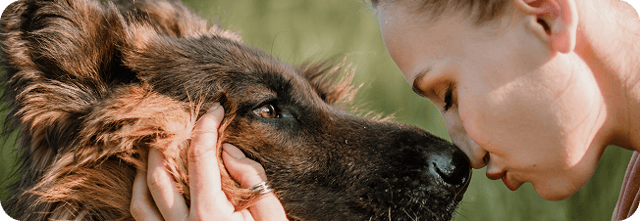
German Shepherds possess a high level of intelligence, versatility, and natural protective instincts, which make them well-suited for various service dog tasks. They are commonly utilized as police and military dogs, but they also excel as service dogs for individuals with disabilities. German Shepherds can be trained for roles such as guide dogs, hearing dogs, and psychiatric service dogs, thanks to their strong work drive, loyalty, and ability to learn complex tasks.

Poodle

Poodle

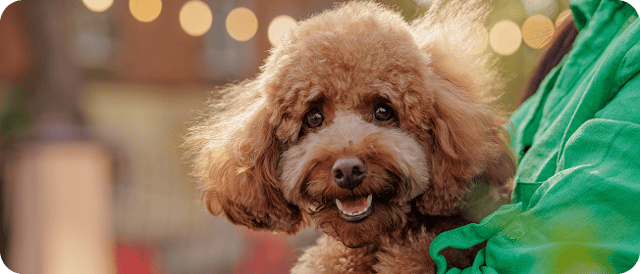
Poodles, especially Standard Poodles, are renowned for their intelligence, hypoallergenic coat, and versatility. These qualities make them highly suitable for individuals with allergies or sensitivities. Poodles are often trained as allergy alert dogs and can detect allergens in the environment, providing a valuable service by alerting their handlers to potential allergenic substances. Their high trainability and adaptability also make them successful in other service dog roles.

Border Collie

Border Collie

Border Collies are known for their exceptional intelligence, agility, and ability to focus. These qualities make them outstanding candidates for service dog roles that require a high level of precision and problem-solving skills. They excel in tasks such as retrieving items, opening doors, and assisting individuals with mobility challenges. Additionally, their boundless energy and drive make them excellent candidates for working with individuals with psychiatric disabilities, providing comfort and support.

Bernese Mountain Dog

Bernese Mountain Dog

The Bernese Mountain Dog's gentle and calm temperament, combined with their large size and strength, make them well-suited for mobility assistance roles. They are capable of providing stability and support to individuals with physical disabilities, as well as assisting with tasks such as pulling wheelchairs or retrieving items. Their friendly and sociable nature also makes them great companions for individuals in need of emotional support.

These breeds represent just a few examples of the many dog breeds that excel in service dog roles. It's important to remember that each dog is an individual, and temperament and trainability can vary within a breed. When considering a service dog, thorough evaluation and training specific to the individual's needs are essential to ensure a successful partnership between the dog and their handler.

Service Dog Training and Certification

Service Dog Training and Certification

Service dogs play a vital role in assisting individuals with disabilities, and their ability to perform their duties effectively relies heavily on rigorous training. Training ensures that service dogs develop the necessary skills, behaviors, and obedience required to fulfill their roles. Here is an overview of the training and certification process for service dogs:

Importance of Rigorous Training

Service dogs undergo extensive training to acquire the specific skills needed to assist individuals with disabilities. This training is essential to ensure that service dogs can perform tasks reliably, maintain focus, and behave appropriately in various situations. The rigorous training process helps them adapt to different environments, handle distractions, and respond to their handler’s commands accurately. Strong training also builds trust between a service dog and its handler, and it protects your rights, since a dog that is disruptive or out of control can be asked to leave a public place. Regular practice keeps those skills sharp over time.

Training Process

Service dog training typically involves specialized programs conducted by professional trainers. These programs focus on teaching service dogs tasks that are directly related to their handler’s disability. The training includes obedience training, task-specific training, socialization, and public access training. Obedience training establishes basic commands and good behavior, while task-specific training enables the dog to perform tasks that mitigate their handler’s disability. Socialization helps service dogs become comfortable in different settings and interact appropriately with people and other animals. Public access training familiarizes them with navigating public spaces while remaining calm and well-behaved.

Certification and Documentation

PSD Documentation is generally required for housing and air travel; however, service dogs do not need certification or documentation to access public spaces. Still, having them can be beneficial in certain situations. Certification or documentation serves as evidence that the dog has undergone proper training and meets certain standards. It can help service dog owners gain access to public spaces, housing, and transportation more easily. However, it’s important to note that service dog certification is not regulated by a centralized authority, and different organizations may offer certification programs. Airlines may also ask you to complete a DOT form about your dog’s training, health and behavior before you fly together.

Recognized Certification Organizations and Programs

There are various recognized certification organizations and programs that service dog owners may consider. These organizations often have their own standards and evaluation processes to assess a dog’s training and suitability as a service dog. Some well-known organizations include Assistance Dogs International (ADI), Canine Companions for Independence (CCI), and International Association of Assistance Dog Partners (IAADP). It is advisable for service dog owners to research and choose a reputable organization or program that aligns with their specific needs and requirements.

Etiquette and Interactions with Service Dogs

Interacting with service dogs and their handlers requires understanding and respect to ensure the smooth functioning of their important tasks. A service dog is always working in public, and distractions like petting or offering food can pull its focus from its handler. Here are some guidelines to follow when encountering service dogs:
Etiquette and Interactions with Service Dogs

Respect Their Work

Service dogs are highly trained to assist individuals with disabilities, and their focus should not be disrupted while they are performing their duties. It is crucial to recognize that service dogs are working and should be treated with the utmost respect and professionalism.

Do Not Distract or Pet Without Permission

One of the most important rules when encountering a service dog is to refrain from distracting or petting them without the explicit permission of their handler. Service dogs need to remain focused on their tasks, and any interruptions can impact their ability to assist their handler effectively. Even if a service dog appears friendly or approachable, it is essential to respect their role and avoid initiating contact unless given explicit permission by the handler.

Give Space and Do Not Block Their Path

When encountering a service dog and their handler, it is important to give them adequate space to maneuver. Avoid blocking their path or crowding them, as this can impede their movements and make it challenging for them to navigate safely. Maintain a respectful distance and allow the service dog and their handler to pass without obstruction.

Avoid Making Assumptions or Asking Personal Questions

It is important to avoid making assumptions about an individual's disability or questioning the handler about their personal circumstances. Respect their privacy and refrain from asking intrusive or personal questions. Remember, the focus should be on the service dog's role and how they assist their handler rather than the specifics of the disability.

Be Mindful of Allergies and Sensitivities

Some individuals with disabilities may have allergies or sensitivities to dogs, even if they are service dogs. It is essential to be mindful of this and avoid bringing attention to any discomfort or allergies you may have. Service dogs are trained to behave appropriately in public spaces, and interfering or expressing concerns about allergies can be disruptive and unnecessary.
By following these guidelines, you can ensure that service dogs can carry out their tasks effectively and help individuals with disabilities navigate their daily lives. Respecting their work and maintaining proper etiquette allows service dogs to perform their duties without interruption, ultimately benefiting both the handler and the service dog.

Why You Can Rely On Us?

At Wellness Wag, we believe your pet deserves care rooted in both science and compassion. Each article is carefully researched, written in clear language for pet owners, and then reviewed by qualified professionals to ensure the information is evidence-based, current, and practical for real-life care. Our goal is to help you feel confident in making informed decisions about your pet’s health and well-being.

Reviewed by

Angela Morris, MSW, LCSW

Angela is a licensed clinical social worker with 20 years of experience in patient advocacy and community mental health. She has assisted numerous clients with ESA evaluations and brings a deep understanding of disability accommodations, ensuring that all information is accurate, supportive, and practical.

Angela Morris — Medical Reviewer

Service Dogs FAQs

A service dog is trained to assist individuals with disabilities by performing specific tasks related to their handler’s needs. They are trained to provide support, enhance independence, and mitigate the challenges faced by people with disabilities.

Service dogs undergo rigorous training through specialized programs and professional trainers. They are trained to perform tasks that are directly related to the handler’s disability, such as guiding individuals with visual impairments, alerting deaf individuals to sounds, or assisting individuals with mobility limitations.

While there is no legal requirement for service dogs to be certified or registered, it is beneficial for service dog owners to obtain certification or documentation from recognized organizations. Certification provides credibility and helps ensure that the service dog has undergone proper training and meets specific standards.

Service dog owners have full public access rights as protected by the Americans with Disabilities Act (ADA). They are allowed to bring their service dogs into public spaces, including restaurants, stores, libraries, and public transportation. They are also entitled to housing accommodations, even in areas where pets are typically restricted.

It is essential to respect the working status of service dogs and avoid distracting or petting them without permission from their handlers. Interacting with a service dog without permission can interfere with their tasks and compromise the safety and well-being of the handler. It is best to give the service dog and their handler space and observe proper etiquette to ensure their uninterrupted focus.

While many dog breeds can be trained as service dogs, certain breeds are commonly chosen for their specific traits and characteristics that make them well-suited for service work. Breeds such as Labrador Retrievers, Golden Retrievers, German Shepherds, and Poodles are often selected due to their intelligence, trainability, and temperament.

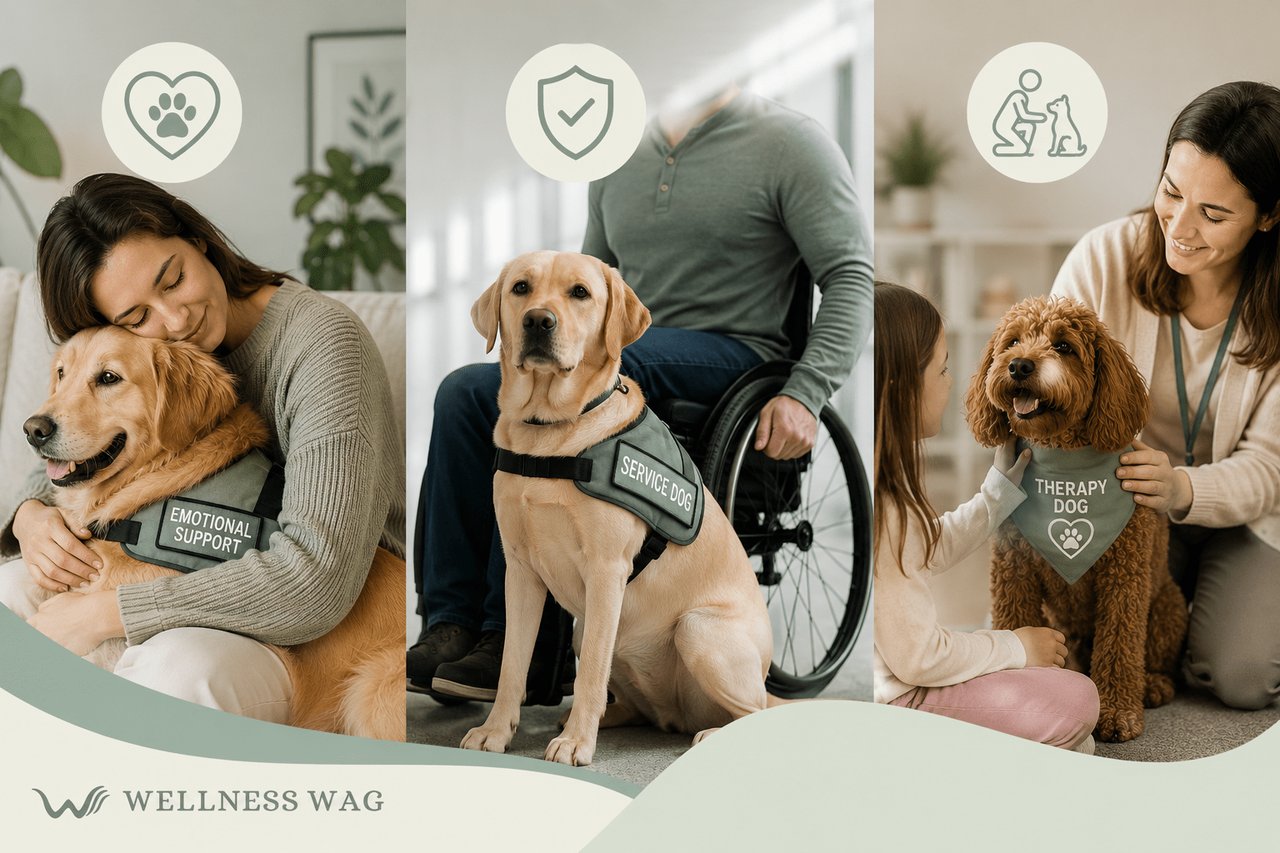
Emotional support animals (ESAs) are different from service dogs. ESAs provide emotional comfort and support to individuals with psychological or emotional disorders but are not trained to perform specific tasks. Unlike service dogs, ESAs do not have the same legal rights and access to public spaces as granted to service dogs under the ADA.

Having a Hard Time to Decide?

Talk with your favorite AI assistant or connect with a licensed professional to see how Wellness Wag can help you qualify for an ESA letter online.

A man affectionately holding his puppy

Are You Ready to Start the Process?

Say goodbye to pet fees and always have your beloved companion by your side, no matter where you live.

Get PSD Letter Now