
Are you looking to provide your furry friend with the best nutrition possible? Ensuring that your dog has a balanced diet is essential for their overall health and well-being. By including key nutrients in their meals, you can help them thrive and live a long, happy life.
In this article, we will discuss the importance of protein sources for muscle health, essential vitamins and minerals, healthy fats for skin and coat, fiber for digestive health, and the importance of hydration and water intake for your beloved pet.
When it comes to your dog’s diet, it’s important to remember that they rely on you to make the best choices for them. By incorporating a variety of nutrient-rich foods, you can help support their immune system, promote healthy growth, and keep their energy levels up. Whether you’re feeding them homemade meals or commercial dog food, understanding the key nutrients to include will ensure that your dog is getting everything they need to thrive.
So, get ready to learn about the essential components of a balanced diet for your dog and how you can make a positive impact on their health and happiness.
Protein Sources for Muscle Health
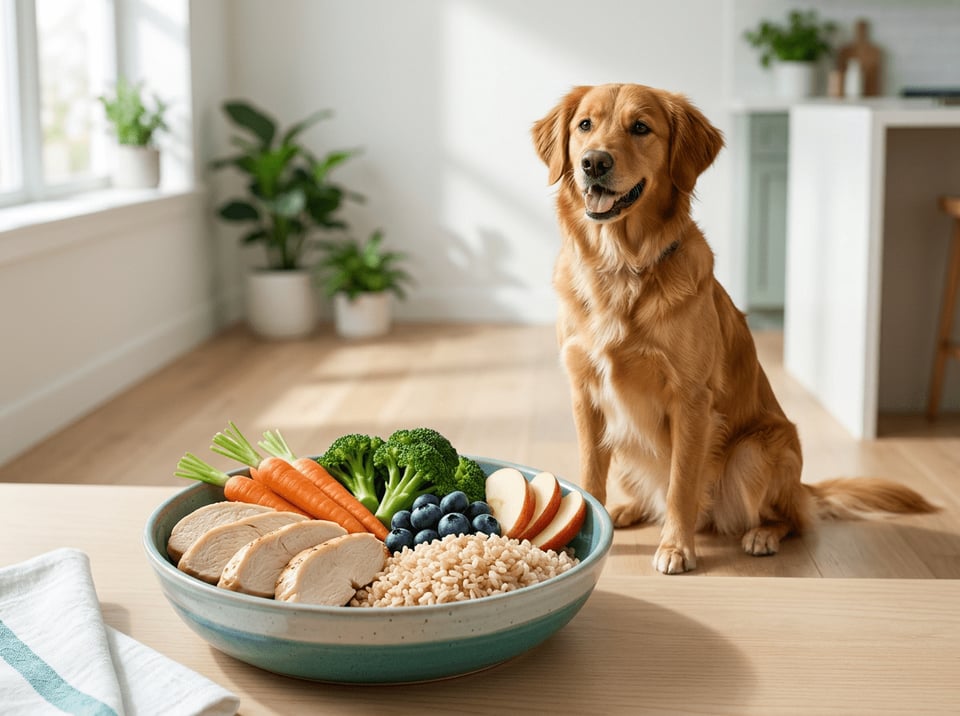
When it comes to achieving a balanced diet for your dog, it’s important to include high-quality protein sources for muscle health. As they say, “you are what you eat.” Just like humans, dogs need protein to maintain strong and healthy muscles. Look for protein sources like chicken, turkey, beef, and fish to provide your furry friend with the essential building blocks they need to stay active and energetic.
By including these protein sources in your dog’s diet, you are not only helping them maintain muscle health but also supporting their overall well-being. Remember, serving your dog high-quality protein sources is not just about meeting their dietary needs but also about showing them love and care.
Your dog relies on you to provide them with the nutrients they need to thrive, and by choosing the right protein sources, you are fulfilling that responsibility with dedication and compassion. So, next time you prepare a meal for your dog, think about the protein sources you include and how they can contribute to your furry friend’s muscle health and happiness.
Essential Vitamins and Minerals
To ensure your furry friend stays healthy, make sure they get essential vitamins and minerals in their diet. Here are four key nutrients that play a vital role in your dog’s overall well-being:
- Vitamin A: This vitamin is essential for your dog’s vision, immune system, and skin health. Make sure to include foods like liver, carrots, and sweet potatoes in their diet to meet their Vitamin A needs.
- Calcium: Strong bones and teeth are essential for your dog’s mobility and overall health. Incorporate sources of calcium such as dairy products, leafy green vegetables, and bones into their meals.
- Vitamin D: Vitamin D helps your dog absorb calcium and promotes bone health. Allow your furry friend to soak up some sunlight or provide foods like fish and egg yolks to ensure they get enough Vitamin D.
- Iron: Iron is necessary for the production of red blood cells and energy metabolism. Include iron-rich foods like lean meats, fish, and dark leafy greens in your dog’s diet to support their overall health.
Healthy Fats for Skin and Coat
To keep your pup’s skin and coat healthy, make sure you’re incorporating healthy fats into their meals. Just like you need healthy fats for your own skin and hair, your furry friend also benefits from these essential nutrients. Look for sources of omega-3 and omega-6 fatty acids such as fish oil, flaxseed oil, or salmon.
These fats not only help maintain a shiny coat but also support overall skin health, reducing itchiness and dryness. In addition to promoting a luscious coat, healthy fats also play a role in your dog’s overall well-being. They support brain function, joint health, and can even boost immune system function.
So, by including these fats in your pup’s diet, you’re not only keeping them looking great but also helping them feel their best from the inside out. Remember, a balanced diet is key to ensuring your dog lives a long and healthy life, so be sure to prioritize those healthy fats in their meals.
Fiber for Digestive Health
Fiber in your dog’s diet helps maintain digestive health and regular bowel movements. Just like humans, dogs need fiber to keep their gastrointestinal system running smoothly. It aids in digestion, prevents constipation, and can even help manage weight by promoting a feeling of fullness.
Including sources of fiber in your dog’s meals, such as vegetables like carrots, green beans, or pumpkin, can contribute to their overall well-being. When planning your dog’s meals, don’t overlook the importance of fiber. Apart from aiding digestion, fiber also supports the growth of beneficial bacteria in the gut, which plays a key role in your dog’s immune system.
By incorporating fiber-rich foods into your dog’s diet, you’re not only helping them stay regular but also boosting their overall health and vitality. Remember, a balanced diet that includes essential nutrients like fiber is key to keeping your furry friend happy and healthy.
Hydration and Water Intake
Maintaining proper hydration levels is essential for ensuring your canine companion’s overall health and well-being. Just like humans, dogs need an adequate amount of water to stay hydrated and healthy. Water plays an important role in various bodily functions, including regulating body temperature, aiding in digestion, and transporting essential nutrients throughout the body.
Make sure to provide your furry friend with access to fresh, clean water at all times to prevent dehydration and promote optimal health. Encouraging your dog to drink water regularly is key to maintaining their hydration levels. You can do this by adding water to their meals, providing water-rich treats, or investing in a pet fountain to make drinking more enticing.
Monitoring your dog’s water intake and observing their behavior can also help you ensure they are getting enough fluids. Remember, proper hydration is a fundamental aspect of your dog’s diet and overall well-being, so make it a priority to keep them hydrated and healthy.





 Ask ChatGPT
 Ask Claude
 Ask Perplexity