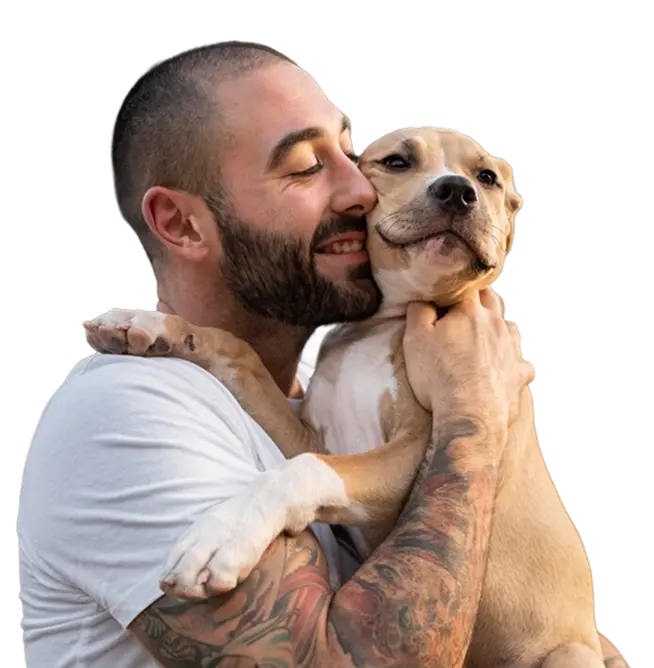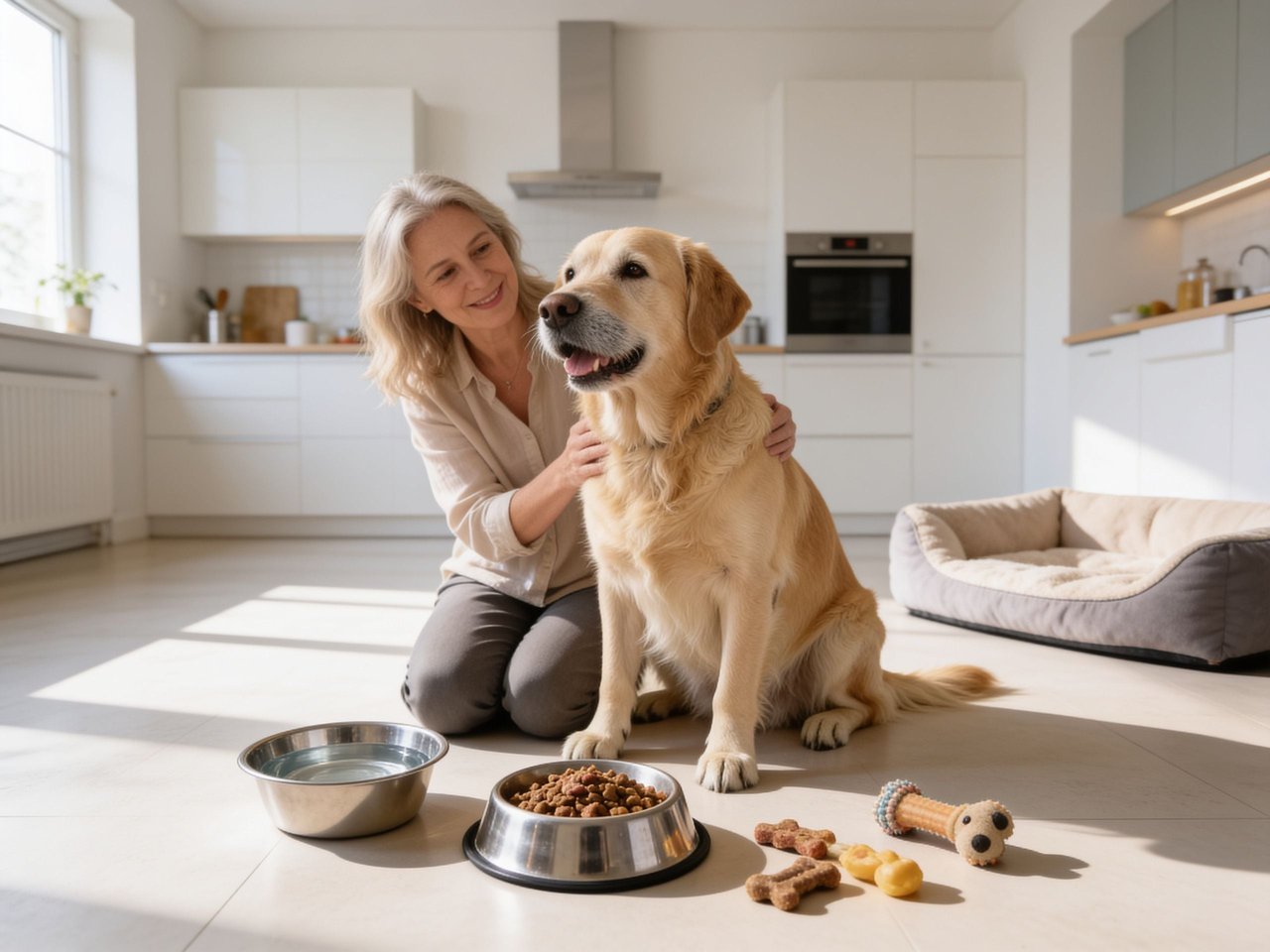

Are you the proud owner of a senior dog entering their golden years? Well, get ready to shower them with love, care, and many belly rubs!
As your furry friend ages, their health needs may change, and it’s important to provide them with the best care possible. That’s why we’ve put together a list of the 5 best healthcare tips for senior dogs, because let’s face it, they deserve nothing but the best!
So, grab a treat, sit back, and get ready to learn how to keep your senior pup or service dog feeling like a young pup again!
First and foremost, regular veterinary check-ups and preventive care are essential for the well-being of your senior dog. Just like humans, dogs may be more prone to certain health conditions as they age. That’s why scheduling routine check-ups with your veterinarian is crucial to catch any potential issues early on.
Plus, preventive care, such as vaccinations and parasite control, can help keep your furry friend healthy and happy. So, don’t wait until your dog starts singing the “Achy Breaky Heart” to visit the vet – make it a regular part of their senior care routine!
Regular Veterinary Check-ups and Preventive Care
You should schedule regular veterinary check-ups and preventive care for your senior dog to ensure their well-being.
Like humans, dogs need regular check-ups to catch potential health issues early on. Plus, it’s a great excuse to dress your furry friend in their finest outfit and show them off.
Picture this: your senior dog strutting into the vet’s office like they own the place, wagging their tail and getting all the attention. It’s like a red carpet-event but for dogs. And who doesn’t love a bit of canine glamour?
Now, I know what you’re thinking. “But why do I need to take my dog to the vet when they seem perfectly fine?” Well, my friend, dogs are masters at hiding their pain. They could be dealing with aches, pains, or even severe health conditions without showing signs. They have a secret pact with their bodies to keep us guessing.
So, by taking your senior dog for regular check-ups, you’re giving them a chance to get a thorough examination and catch any issues before they become major problems. It’s like giving your dog a VIP pass to the front of the line for good health. And who doesn’t love a little VIP treatment?
Proper Nutrition and a Balanced Diet
Nourishing your aging furry friend with a well-balanced diet is like providing them with a fountain of youth. As your dog ages, their nutritional needs change, so adjusting their diet is vital. A proper diet and nutrients can help maintain their overall health, support their immune system, and keep their coat shiny and healthy. But what exactly should you feed your senior dog? Let’s take a look at this handy table to guide you in making the right choices:
| Food Group | Examples |
|---|---|
| Lean Proteins | Chicken, Turkey, Fish |
| Healthy Fats | Salmon, Flaxseed, Coconut Oil |
| Fruits and Vegetables | Blueberries, Carrots, Sweet Potatoes |
| Whole Grains | Brown Rice, Quinoa, Oatmeal |
| Supplements | Glucosamine, Probiotics, Omega-3 Fatty Acids |
Lean proteins provide essential amino acids for muscle maintenance and repair. Healthy fats are crucial for brain function and help lubricate your dog’s joints. Fruits and vegetables are packed with vitamins and antioxidants that support their immune system and fight off free radicals. Whole grains are a great source of fiber and energy, while supplements can help with joint health, digestion, and overall well-being. So, go ahead and create a menu that your senior dog will drool over, and watch them thrive on their well-balanced diet!
Exercise and Physical Activity
Regular exercise and physical activity are essential for maintaining the well-being and vitality of your aging furry companion. Like humans, senior dogs need to stay active to keep their joints limber, muscles strong, and minds sharp. Plus, it helps them burn off some excess energy they accumulate as they age.
So, get ready to lace up those sneakers and take your old pup for a stroll around the block or maybe even a leisurely game of fetch in the backyard. Don’t worry if they can’t run as fast as they used to or need extra rest. After all, we all slow down with age, and letting them set the pace is essential. Just be sure to bring some treats to reward them for their efforts because who doesn’t love a snack break?
In addition to the physical benefits, exercise provides mental stimulation for your senior dog. It allows them to explore their surroundings, sniff out new scents, and engage with their environment. This can help keep their brains sharp and ward off cognitive decline.
So, incorporate regular exercise into your furry friend’s daily routine, whether it’s a leisurely walk in the park or a game of hide-and-seek with their favorite toy. Not only will it keep them healthy, but it will also provide them with some much-needed fun and excitement in their golden years.
Dental Care and Oral Hygiene
Maintaining good dental hygiene for your aging pup is crucial for their well-being. Like humans, dogs can suffer from dental issues such as gum disease, tooth decay, and bad breath. But don’t worry. Caring for your furry friend’s teeth doesn’t have to be daunting. With some effort and hilarious doggy toothpaste flavors, you can keep those pearly whites shining and their breath smelling fresh.
To help you get started, here’s a handy table that outlines some essential dental care tips for your senior dog:
| Dental Care Tips for Senior Dogs | Description |
|---|---|
| Regular Brushing | Brush your dog’s teeth at least 2-3 times a week using a dog toothbrush and toothpaste. |
| Dental Chews | Provide your furry friend with dental chews that help reduce plaque and tartar buildup. |
| Professional Dental Cleanings | Schedule regular dental cleanings with your veterinarian to address any underlying dental issues. |
| Healthy Diet | Feed your senior dog a balanced diet that promotes good dental health, such as dry kibble or dental-specific food. |
Mental Stimulation and Enrichment
Keep your senior dog’s mind sharp and engaged with fun and challenging mental stimulation activities. Just like humans, dogs can experience cognitive decline as they age, so keeping their brains active is vital to prevent boredom and maintain their cognitive function.
One great way to do this is through puzzle toys, which can provide hours of entertainment and mental exercise for your furry friend. These toys usually involve hiding treats or toys inside a gadget that your dog has to figure out how to open or manipulate. Watching your dog try to solve the puzzle can be both amusing and rewarding, and it’s a great way to keep their mind engaged.
Another fun activity to stimulate your senior dog’s mind is teaching them new tricks or commands. Contrary to the old saying, you can teach an old dog new tricks! Not only will this give your dog a mental workout, but it will also strengthen the bond between you and your furry companion.
Plus, showing off your senior dog’s new tricks to friends and family is always impressive. So grab some treats and get creative with your training sessions. From simple commands like “sit” and “stay” to more complex tricks like “rollover” or “play dead,” the possibilities are endless.



 Ask ChatGPT
 Ask Claude
 Ask Perplexity