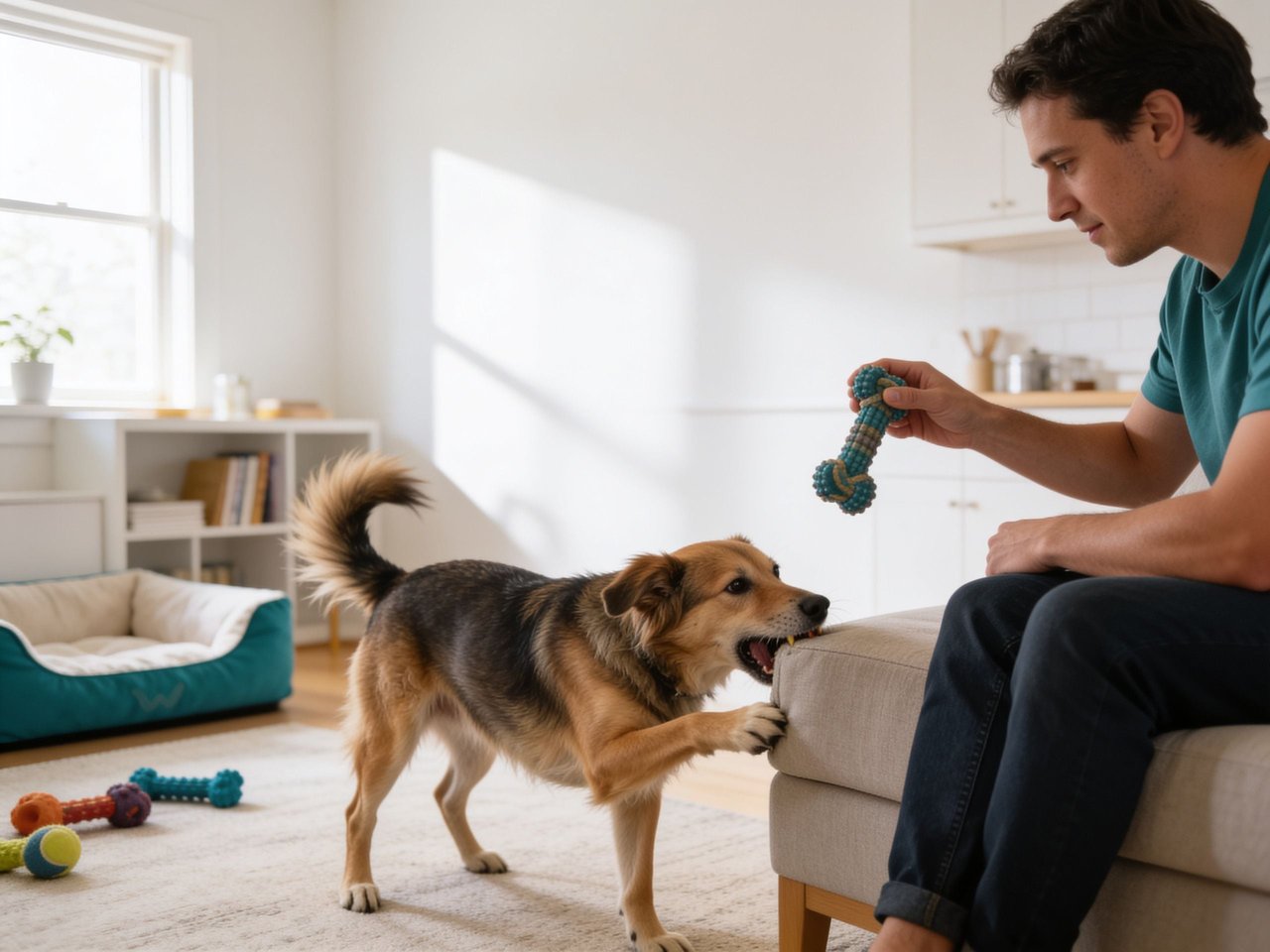

Are you tired of coming home to find your favorite pair of shoes chewed to pieces? Or perhaps you’ve had enough of the constant scratching and gnawing on your furniture?
If so, you’ve come to the right place! In this article, we will delve into the world of destructive dog behavior and explore effective techniques to put an end to it once and for all.
So, get ready to embark on a journey of discovery as we uncover the secrets to a well-behaved and contented pup. From positive reinforcement training methods to providing mental and physical stimulation, we will explore a range of techniques that will not only put an end to destructive behavior but also strengthen the bond between you and your furry friend.
So, grab a treat, sit back, and let’s dive into the world of effective techniques for curbing destructive dog behavior!
Understanding the Root Causes of Destructive Behavior
Now that you have a good grasp on the basics of dog behavior let’s delve into the root causes of their destructive tendencies and how understanding them can help you curb them effectively.
Dogs are not inherently destructive creatures; they have unique ways of expressing themselves. Just like humans might have a bad day and take it out on a bag of potato chips, dogs may resort to destructive behavior when feeling anxious, bored, or simply seeking attention. Remember, your furry friend isn’t intentionally trying to ruin your favorite pair of shoes or turn your couch into a chew toy. They’re simply trying to communicate their needs; deciphering their messages is up to you.
One common cause of destructive behavior in dogs is separation anxiety. Imagine being left alone for hours with no one to talk to or play with. No wonder dogs sometimes resort to chewing on furniture or ripping up pillows. They’re trying to alleviate their anxiety and find comfort in their surroundings.
Another root cause of destructive behavior is boredom. Dogs are intelligent creatures that require mental and physical stimulation. If they’re not provided with enough activities to entertain them, they may turn to destructive behavior to release their pent-up energy. So, keep your furry friend mentally engaged with toys, puzzles, and regular exercise.
Positive Reinforcement Training Methods
You can employ positive reinforcement training methods to address problematic dog behavior effectively. Instead of scolding or punishing your furry friend for destructive behavior, focus on rewarding and encouraging good behavior. This approach helps curb violent tendencies and strengthens the bond between you and your dog.
So, forget the old saying, “You can’t teach an old dog new tricks,” because, with positive reinforcement, you can teach your dog to behave on their best behavior while having fun.
One effective positive reinforcement technique is clicker training. This method involves a small device that clicks when pressed, followed by a treat or reward. The clicker serves as a clear and consistent signal to your dog that they have done something right and will be rewarded. This technique is easy to learn and can teach a wide range of behaviors, from simple commands like sit and stay to more complex tricks like rolling over or playing dead. It’s a great way to impress your friends at your next doggy playdate!
So, get ready to unleash your inner dog trainer and enjoy the journey of transforming your mischievous pup into a well-behaved and adored member of the family. And who knows, maybe you’ll even discover a hidden talent for dog training along the way!
Providing Mental and Physical Stimulation
Try giving your furry friend a variety of intellectually challenging toys and activities to keep their mind sharp and their energy levels in check. Dogs are intelligent creatures and need mental stimulation like physical exercise. Boredom can often lead to destructive behaviors, so providing your dog with puzzles, interactive toys, and training games can be a great way to keep them entertained and mentally engaged. Plus, it’s a fun way for you to bond with your furry companion!
To help you get started, here’s a handy table showcasing different types of mentally stimulating activities and toys for your dog:
| Activity/Toy | Description | Benefits |
|---|---|---|
| Snuffle mats are fabric mats with lots of nooks and crannies where you can hide treats or kibble. Your dog must use their nose to search for the food, providing mental and olfactory stimulation. | Treat-Dispensing Toys | – Mental stimulation – Reduces boredom and destructive behavior |
| Puzzle Toys | These toys require dogs to figure out how to get the treats out, keeping them mentally engaged and rewarding their efforts. | – Cognitive development – Provides a mental workout |
| Hide and Seek | This game involves hiding treats or toys around the house or yard and encouraging your dog to find them. It taps into their natural scenting abilities and stimulates their senses. | – Satisfies their instinctual need to hunt – Mental stimulation and physical exercise |
| Interactive Training Games | These games involve teaching your dog new tricks or commands using positive reinforcement. They can keep your dog mentally engaged and strengthen your bond with them. | – Mental stimulation – Builds trust and communication |
| Snuffle Mats | Snuffle mats are fabric mats with many nooks and crannies to hide treats or kibble. Your dog must use their nose to search for food, providing mental and olfactory stimulation. | – Engages their sense of smell – Provides a calming activity |
Establishing Consistent Rules and Boundaries
Establishing consistent rules and boundaries can significantly help manage your dog’s behavior. Dogs thrive on structure and routine, and by setting clear guidelines, you can provide them with a sense of security and predictability. Here are four tips to help you establish and maintain rules and boundaries with your furry friend:
- Be clear and consistent: Dogs or service dogs are intelligent creatures, but they need clear and consistent guidance to understand their expectations. Use simple commands and cues that are easy for them to understand, and always be consistent in your expectations. If you allow your dog to jump on the couch one day and then scold them for it the next, they will become confused and may act out in frustration.
- Set boundaries early on. Establishing boundaries when you bring your dog home is important. Determine what areas of the house are off-limits, where they are allowed to sleep, and what furniture they can or cannot be on. Consistently reinforce these boundaries and redirect them to appropriate areas or items if they stray.
- Use positive reinforcement: Positive reinforcement is a powerful tool in shaping your dog’s behavior. When they follow your rules and boundaries, reward them with treats, praise, or playtime. This positive association will make them more likely to repeat the desired behavior.
- Be patient and persistent: Changing behavior takes time and consistency. Don’t expect your dog to understand and follow all the rules instantly. Be patient with them as they learn, and gently correct any mistakes. With time and consistent reinforcement, your dog will start to understand and respect the boundaries you’ve set.
So, go ahead and set those boundaries – your dog will thank you for it (in their own adorable, tail-wagging way)!
Seeking Professional Help and Resources
If you’re looking to tackle your dog’s destructive habits, it’s worth considering seeking professional help and resources. Sure, you may think you can handle it on your own, but sometimes you need a little extra expertise to deal with those chewed up shoes and shredded couch cushions.
And hey, don’t worry, you’re not alone in this struggle. There are plenty of professionals out there who specialize in dog behavior and can provide you with the guidance and support you need.
Now, I know what you’re thinking. “But wait, won’t hiring a professional be expensive?” Well, my friend, think of it this way – investing in professional help now can save you money in the long run. Just imagine all the shoes, furniture, and personal belongings you won’t have to replace if you can get your furry friend to stop destroying everything in sight.
Plus, these professionals have seen it all and have a wealth of knowledge and strategies to share. They can teach you techniques to redirect your dog’s destructive behavior and help you establish a plan that works for both you and your furry friend.
So, don’t be afraid to reach out and seek professional help. It’s a small price to pay for a peaceful and intact home. And hey, who knows, maybe you’ll even pick up a few tricks along the way to impress your friends at the next dog park gathering.







 Ask ChatGPT
 Ask Claude
 Ask Perplexity