
Are you ready to welcome a new furry friend into your home? House training a puppy can seem like a daunting task, but with the right tips and techniques, you can set your pup up for success and create a happy environment for both of you. Establishing a routine is key to helping your puppy learn where and when to go potty, and positive reinforcement techniques can make the training process fun and rewarding for your furry companion.
By supervising your puppy closely and being consistent with your training methods, you can help your puppy quickly learn the ropes of house training. Accidents may happen along the way, but knowing how to handle them calmly and effectively can help your puppy learn even faster. With patience, love, and a little bit of guidance, you can have a happy, well-trained puppy in no time. Let’s dive into some house training tips to help you and your new furry friend start off on the right paw.
Establishing a Routine
To make house training easier, it’s important to establish a consistent routine for your puppy. Dogs thrive on routine and structure, so setting specific times for feeding, potty breaks, and playtime will help your furry friend understand what’s expected of them. By taking your puppy outside at the same times each day, they’ll start to associate those times with going potty outside, making accidents less likely indoors.
In addition to setting a routine for potty breaks, it’s important to establish a schedule for feeding and watering your puppy. By feeding your puppy at the same times each day, you can start to predict when they’ll need to go outside to do their business. Consistency is key when it comes to house training, so stick to your routine and be patient with your puppy as they learn what’s expected of them.
Positive Reinforcement Techniques
When you reward your furry friend for good behavior, they’ll quickly learn what you expect from them. Positive reinforcement techniques are a powerful tool in training your puppy. Whether it’s giving them a treat, a belly rub, or words of praise, these rewards will reinforce the behavior you want to see more of. Remember, consistency is key – make sure to reward your puppy every time they exhibit the desired behavior to help them understand what you’re looking for.
In addition to rewards, another positive reinforcement technique is using a clicker. Clicker training involves using a small device that makes a clicking sound to mark the exact moment your puppy does something right. This helps your puppy associate the click with a reward, making it clear what behavior is being reinforced.
Supervising Your Puppy
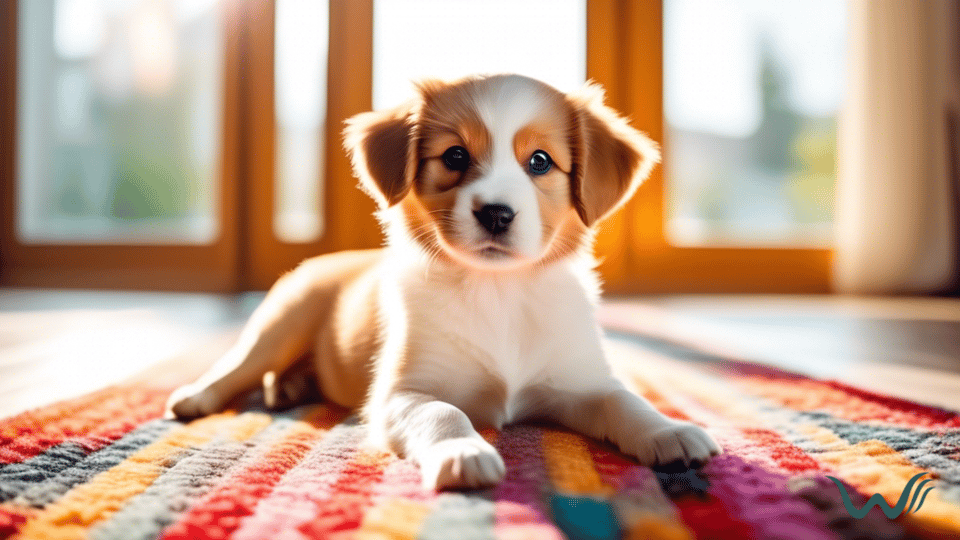
Always keep a close eye on your new furry friend to prevent accidents inside the house. Puppies are full of energy and curiosity, which can lead them to explore areas they shouldn’t, like the living room carpet or your favorite rug. By supervising your puppy closely, you can catch any signs that they need to go outside to relieve themselves and guide them to the designated potty area. Remember, prevention is key when it comes to house training, so being vigilant and attentive to your puppy’s behavior is essential for success.
Here is a helpful table to guide you on how to supervise your puppy effectively:
| Supervising Your Puppy |
|---|
| 1. Keep an eye on their body language. If they start sniffing around or circling, it may be a sign they need to go outside. |
| 2. Use a leash indoors to keep your puppy close to you and prevent any accidents from happening in other parts of the house. |
| 3. Set a schedule for potty breaks and stick to it. Consistency is key in house training, so make sure to take your puppy outside frequently, especially after meals and naps. |
Consistency is Key
Consistency is the glue that holds your pup’s learning together. Without it, your furry friend may get confused or forget what you’re trying to teach them.
Here are four tips to help you stay consistent in your house training journey:
- Set a schedule for feeding times and bathroom breaks.
- Use the same commands and cues every time you ask your pup to do something.
- Keep their sleeping and play areas consistent to create a sense of routine.
- Reward good behavior consistently to reinforce positive habits.
By staying consistent in your training methods, you’ll help your puppy understand what’s expected of them and create a harmonious environment for both of you.
Dealing with Accidents
Positively addressing accidents can help prevent future mishaps in your pet’s behavior. When your puppy has an accident indoors, avoid scolding or punishing them. Instead, calmly clean up the mess and take your puppy outside to their designated potty area. By doing this, you’re reinforcing the idea that going potty outside is the right behavior. Positive reinforcement is key in house training, so be patient and understanding during this process.
It’s important to remember that accidents are a natural part of the house training process. Your puppy is still learning and adapting to their new environment. Keep a close eye on your puppy’s behavior and schedule regular potty breaks to prevent accidents before they happen. Consistency in your training methods will help your puppy understand what is expected of them. By handling accidents with patience and positivity, you are setting your puppy up for success in their house training journey.



 Ask ChatGPT
 Ask Claude
 Ask Perplexity