
Are you feeling overwhelmed by the thought of housebreaking a new puppy? Don’t worry, you’re not alone. Many new puppy owners find this task to be one of the most challenging aspects of pet ownership. However, with the right schedule and training techniques, you can create an effective housebreaking routine that will set your furry friend up for success.
Now, you might be thinking, “But I don’t have the time or patience to establish a housebreaking schedule!” Trust me, I understand how busy life can be. However, by investing a little time upfront in creating a consistent routine, you will save yourself countless hours of cleaning up accidents in the long run.
Plus, by taking the time to housebreak your puppy properly, you are not only serving yourself but also your puppy by providing them with a safe and clean living environment. So, let’s dive in and discover the key steps to creating an effective housebreaking schedule for your adorable new addition.
Understanding Puppy Behavior and Development
Puppies are curious and energetic beings, constantly exploring their surroundings and testing their boundaries. They are also highly social creatures, seeking attention and companionship from their human family members. Understanding these natural instincts and behaviors is important in establishing a successful housebreaking routine.
Puppy development can be divided into different stages, each with its own unique characteristics. During the first few weeks, puppies rely heavily on their mother for nourishment and warmth. As they grow, they start to become more independent and curious, venturing out to explore their surroundings. It’s during this time that they start to develop their bladder and bowel control. Puppies will naturally try to avoid eliminating in their sleeping areas, so it’s important to provide them with a designated potty spot and reinforce positive behavior.
As your puppy continues to grow, their bladder and bowel control will improve, but accidents may still happen. This is because their muscles and nerves are still developing, and they may not always be able to hold it in. It’s important to be patient and consistent during this stage, praising and rewarding your puppy for using the designated potty spot and cleaning up any accidents without scolding or punishment.
Establishing a Consistent Routine
Establish a consistent routine for your furry friend, so they can dance through the day with the rhythm of a well-rehearsed orchestra. Puppies thrive on structure and predictability, so creating a schedule that they can rely on will not only make housebreaking easier, but also help them feel more secure and confident in their environment.
Start by setting specific times for meals, walks, and bathroom breaks. This will help regulate their digestion and bladder, making accidents less likely. Consistency is key here, so try to stick to the same schedule every day.
In addition to regular feeding and bathroom breaks, it’s important to incorporate playtime and training sessions into your puppy’s routine. Not only will this help them burn off excess energy, but it will also provide mental stimulation and strengthen the bond between you and your pup. Make sure to include plenty of positive reinforcement during training sessions, as this will motivate your furry friend to learn and obey commands.
By establishing a consistent routine for your puppy, you are not only setting them up for success in housebreaking, but also providing them with a sense of security and stability. Your furry friend will learn to anticipate and expect certain activities throughout the day, which will make them feel more comfortable in their surroundings.
Crate Training for Housebreaking Success
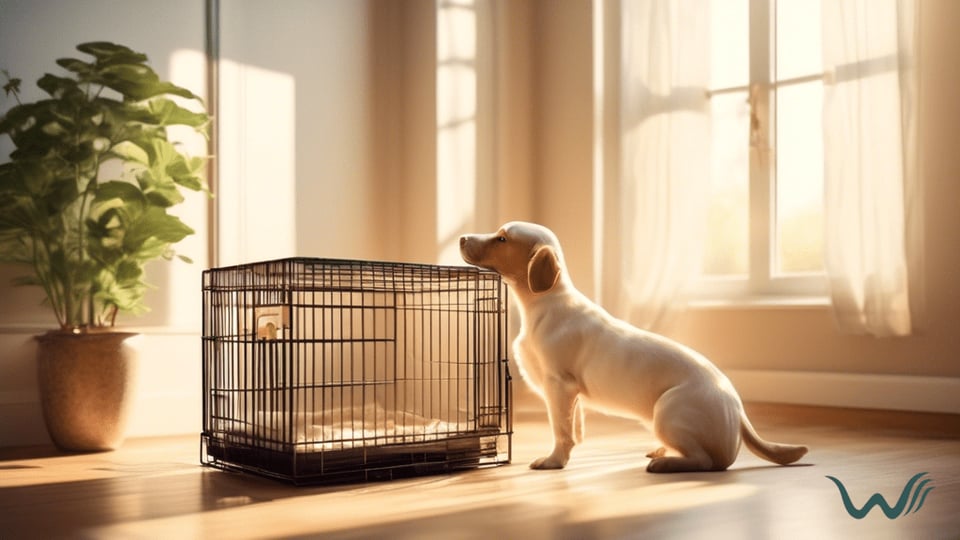
To ensure quick and successful housebreaking, you’ll want to incorporate crate training into your puppy’s routine. Crate training is a valuable tool that can help teach your puppy to hold their bladder and bowel movements until they are taken outside. It also provides them with a safe and comfortable space of their own.
Start by introducing your puppy to the crate gradually, making it a positive experience for them. Place their favorite toys and a cozy blanket inside to make it inviting. Encourage them to enter the crate by using treats or their favorite food. As they become more comfortable, gradually increase the amount of time they spend in the crate, always rewarding them for good behavior.
In addition to using the crate for housebreaking, it’s important to establish a consistent routine for your puppy. Take them outside to eliminate first thing in the morning, after meals, after playtime, and before bedtime. Use a specific command, such as “go potty,” to signal to your puppy what you want them to do. When they eliminate outside, praise them and offer a small treat as a reward.
If your puppy has an accident inside, do not punish them. Instead, clean up the mess and try to catch them in the act next time so you can redirect them outside. By incorporating crate training and establishing a consistent routine, you’ll set your puppy up for success in their housebreaking journey.
Positive Reinforcement and Reward-Based Training
Using positive reinforcement and reward-based training is like giving your puppy a golden ticket to success, motivating them to learn and thrive during the housebreaking process. By focusing on positive reinforcement, you’re able to encourage your puppy to repeat desired behaviors and discourage unwanted ones.
When your puppy successfully goes to the bathroom outside, for example, you can reward them with praise, treats, or a favorite toy. This positive reinforcement helps your puppy associate going to the bathroom outside with something positive, making them more likely to continue doing so in the future.
Reward-based training also allows you to build a strong bond with your puppy. As you celebrate their successes and reward them for their good behavior, you’re creating a positive and loving environment for them. This not only helps in the housebreaking process, but also in developing a trusting and respectful relationship with your puppy.
They’ll see you as a source of happiness and rewards, making them more willing to follow your guidance and instructions. So, embrace the power of positive reinforcement and reward-based training, and watch as your puppy becomes a housebreaking superstar!
Troubleshooting Common Housebreaking Challenges
One of the most common challenges is accidents in the house. It can be frustrating and disheartening to constantly clean up after your puppy, but remember, accidents are a normal part of the housebreaking process. Instead of getting angry or scolding your puppy, focus on reinforcing positive behavior.
Take your puppy outside regularly, especially after meals, naps, and playtime. When your puppy does eliminate outside, praise and reward them with treats or affection. By consistently reinforcing positive behavior, your puppy will learn to associate going outside with positive experiences and will be more motivated to eliminate in the appropriate place.
Another common challenge is the puppy’s refusal to eliminate outside. Sometimes puppies can be stubborn and resist going potty outside, especially in bad weather or unfamiliar environments. In this case, it’s important to be patient and persistent.
Take your puppy outside on a regular schedule, even if they don’t immediately eliminate. Stay outside with them and give them plenty of opportunities to go potty. If your puppy still refuses, bring them back inside and try again later. It’s also helpful to create a designated potty area in your yard, as this will help your puppy understand where they are supposed to eliminate.




 Ask ChatGPT
 Ask Claude
 Ask Perplexity