
Are you ready to embark on the exciting journey of puppy training? If so, you’re in the right place!
In this article, we will explore the world of reward-based puppy training and how it can lead to success in shaping your furry friend’s behavior. Imagine the joy and satisfaction of having a well-behaved, happy, and obedient pup by your side – a true companion who brings joy to your life and others.
With the power of positive reinforcement and a consistent routine, you can achieve this dream and more. Puppy training is not just about teaching your furry friend basic commands; it’s about building a strong bond and trust between you and your pup.
By using reward-based training techniques, you are tapping into your dog’s instincts and desire to please you. Positive reinforcement, such as treats, praise, and play, becomes a powerful tool in shaping your puppy’s behavior.
This gentle and effective approach not only motivates your pup to learn but also strengthens the bond between you. So, get ready to dive into the world of reward-based puppy training, where you will discover the joy of guiding your pup towards success while serving their needs and desires.
Understanding the Basics of Puppy Training
Want to train your puppy successfully? Understand the basics of puppy training with reward-based methods!
Reward-based training is a positive and effective way to teach your puppy new behaviors and reinforce good habits. Instead of using punishment or dominance-based techniques, reward-based training focuses on positive reinforcement to encourage desired behaviors. By using treats, praise, and other rewards, you can motivate your puppy to learn and make training a fun experience for both of you.
One of the key principles of reward-based training is to set clear expectations and boundaries for your puppy. Start by teaching them basic commands like sit, stay, and come. Use treats or toys as rewards when they correctly respond to your commands. Make sure to use a clear and consistent verbal cue for each command, and reward your puppy immediately after they perform the desired behavior. This will help them understand what you expect from them and what will earn them a reward.
In addition to rewards, it’s important to be patient and consistent in your training efforts. Puppies have short attention spans, so keep training sessions short and frequent. Practice the commands in different environments to help your puppy generalize their learning.
So start training your puppy with rewards and watch them blossom into a well-behaved and happy companion!
Utilizing Positive Reinforcement Techniques
By utilizing positive reinforcement techniques, you can easily teach your puppy new tricks and behaviors while creating a joyful training experience. Positive reinforcement involves rewarding your puppy with treats, praise, and affection when they exhibit the desired behavior. This method focuses on encouraging and reinforcing good behavior rather than punishing or scolding for mistakes.
When training your puppy, it’s important to be consistent and patient. Start by identifying the behaviors you want to teach and break them down into small, manageable steps. For example, if you want to teach your puppy to sit, begin by rewarding them for simply bending their knees. Gradually increase the criteria for the reward, until they are consistently sitting on command.
Using positive reinforcement not only helps your puppy learn new behaviors, but it also strengthens the bond between you and your furry friend. By focusing on the positive and creating a joyful training experience, you are serving your puppy’s needs for love, attention, and mental stimulation.
What Are The Pet Policies For The Top U.S. Airlines?
Establishing a Consistent Routine
To establish a consistent routine for your furry friend, you need to start with a clear and structured daily schedule. This will not only help your puppy develop good habits but also create a sense of stability and security for them.
Here are some steps you can take to establish a routine that will benefit both you and your puppy:
- Set specific times for meals: Dogs thrive on routine, so it’s important to feed them at the same times every day. This will help regulate their digestion and prevent accidents in the house.
- Plan regular exercise sessions: Puppies have lots of energy to burn, so it’s crucial to provide them with regular exercise. Whether it’s a walk around the neighborhood or a play session in the backyard, make sure your puppy gets enough physical activity to keep them healthy and happy.
- Schedule potty breaks: Potty training is an essential part of puppyhood, and establishing a routine for bathroom breaks is key. Take your puppy outside to their designated potty spot at regular intervals throughout the day, such as after meals, naps, and playtime.
- Create designated rest times: Just like humans, puppies need rest too. Set aside specific times during the day for your puppy to take naps or relax in their crate or designated sleeping area. This will help prevent overstimulation and ensure they get the rest they need to grow and develop.
By following these steps and sticking to a consistent routine, you will not only provide structure for your puppy but also set them up for success in their training and overall well-being.
Socializing Your Puppy
Make sure your puppy gets plenty of opportunities to interact with other dogs and people to help them develop their social skills. Socializing your puppy is an important part of their training and overall development.
By exposing them to different environments and experiences, you’re helping them become well-rounded and confident dogs.
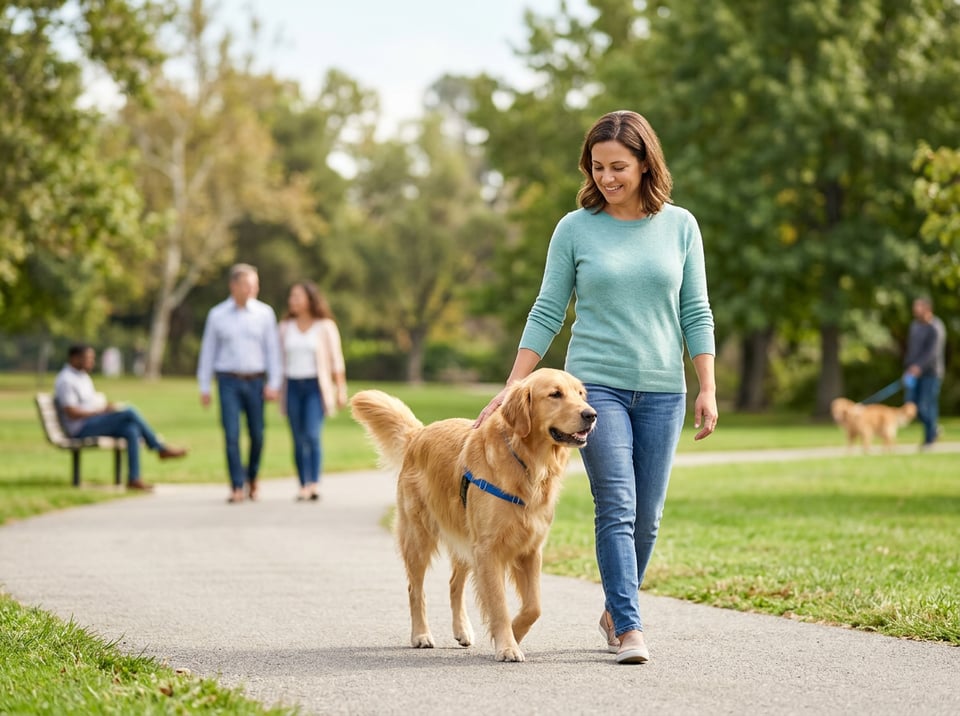
One way to socialize your puppy is by taking them to a dog park or a puppy playgroup. This allows them to interact with other dogs in a controlled and supervised environment. It’s a great way for them to learn how to communicate and play with other dogs, as well as how to navigate social situations.
In addition to interacting with other dogs, it’s important to expose your puppy to different people as well. This can include friends, family members, and even strangers. By doing so, you’re helping them become comfortable and confident in various social settings. Encourage people to gently interact with your puppy, allowing them to be touched and handled. This will help them develop trust and become more at ease around people.
Reward-based training can be used to reinforce positive behaviors and help your puppy understand what’s expected of them. By consistently rewarding good behavior, you’re setting them up for success and helping them develop good social skills.
Troubleshooting Common Training Challenges
If your pup is acting up during training sessions, it’s time to troubleshoot those common challenges and find a solution.
One common challenge is when your puppy gets distracted easily. They may lose focus and start exploring their surroundings or chasing after a squirrel. To address this, try finding a quiet and distraction-free training area. Remove any toys or objects that may tempt your pup to wander off. Keep the training sessions short and engaging, using high-value treats or toys as rewards. By keeping your pup’s attention focused on you and the training, you can gradually increase the difficulty level and introduce distractions in a controlled manner.
Another common challenge is when your puppy becomes stubborn and refuses to follow commands. This can be frustrating, but it’s important to stay patient and positive. Instead of getting angry or forceful, try to understand why your pup is being stubborn. Are they tired, hungry, or maybe feeling anxious? Addressing their needs first can make a big difference in their willingness to cooperate.
Additionally, make sure you are using clear and consistent commands, and rewarding your pup immediately when they respond correctly. Break down the desired behavior into smaller steps and gradually increase the difficulty.






 Ask ChatGPT
 Ask Claude
 Ask Perplexity