

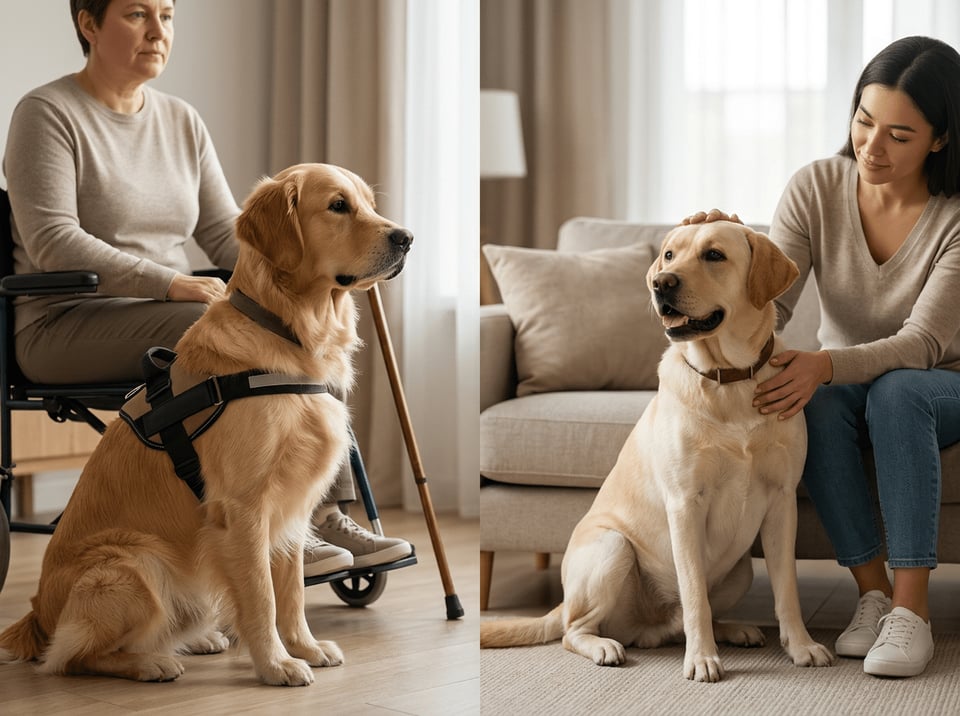
Picture a gentle Golden Retriever resting its head on the lap of an elderly woman, her face lighting up with the first genuine smile her caregivers have seen in weeks. This heartwarming scene plays out daily in senior living facilities across the country, where therapy dogs for seniors are quietly revolutionizing elder care.
For many older adults, the golden years can feel anything but golden. Isolation, depression, and declining physical health often create a perfect storm of challenges that traditional medical care alone struggles to address. Nearly 40% of seniors report feeling lonely regularly, while over one-third experience symptoms of depression – stark statistics that highlight the urgent need for innovative solutions.
Enter the transformative world of therapy dogs, where wet noses and wagging tails become powerful tools for healing. These specially trained canine companions offer more than just momentary joy; they provide measurable improvements in physical health, emotional well-being, and social engagement. Whether through regular visits to residential facilities, one-on-one sessions, or group activities, therapy dogs create meaningful connections that can literally change lives.
In this comprehensive guide, we’ll explore the remarkable benefits these four-legged therapists bring to senior care, from lowering blood pressure and increasing physical activity to reducing anxiety and combating loneliness. You’ll discover the various types of therapy dog programs available, learn how to access these services for yourself or a loved one, and understand exactly what to expect during therapy dog sessions. For families and caregivers seeking to enhance the quality of life for their senior loved ones, this resource provides practical, actionable steps toward incorporating animal-assisted therapy into their care plan.
Let’s embark on a journey to understand how these remarkable animals are helping seniors rediscover joy, purpose, and connection in their daily lives.
Benefits of Therapy Dogs for Seniors
Therapy dogs for seniors bring joy and healing to older adults. These special dogs help make life better in many ways. Let’s look at how these furry friends improve seniors’ lives.
Physical Health Benefits
Having a therapy dog nearby helps seniors feel better in their body. These benefits show up in many ways:
- Lower blood pressure during and after dog visits
- Slower heart rate when petting or playing with dogs
- Less pain, especially for seniors with arthritis
- Better balance from walking with dogs
- More physical activity through dog interactions
A 2025 study found that seniors who spent time with therapy dogs walked 30% more than those who didn’t. Mrs. Johnson, age 78, shares: “Walking with Max twice a week gives me a reason to move more.”
Mental Health Advantages
Therapy dogs help seniors feel happier and calmer. Here’s what these dogs do for mental health:
- Cut down stress and worry
- Fight off sad feelings
- Help seniors feel less lonely
- Give seniors something to look forward to
- Bring back happy memories
Senior therapy dog programs show amazing results. Bob Smith, age 82, tells us: “I felt down after losing my wife. Then I met Buddy. Now I smile every day.”
Research shows seniors who spend time with therapy dogs have:
- 60% less anxiety
- Better sleep at night
- Clearer thinking
- More interest in daily activities
- Higher self-esteem
Social Connection Improvements
Dogs help seniors connect with others. They break the ice and start conversations. Here’s how:
- Create reasons to talk with others
- Help seniors make new friends
- Give seniors shared experiences to discuss
- Make group activities more fun
- Bridge gaps between generations
Many elderly pet therapy programs bring people together. For example:
- Weekly group sessions where seniors gather to play with dogs
- Dog walking clubs for mobile seniors
- Pet story sharing time
- Group training activities
- Family visit days with therapy dogs
Sarah Lee, activities director at Sunrise Senior Living, says: “Our therapy dog visits turn quiet rooms into social spots. Everyone talks more.”
These benefits work together to help seniors live better lives. Therapy dogs for seniors do more than just provide company. They create a bridge to better health, happier minds, and stronger friendships.
Regular visits from therapy dogs help seniors stay active and engaged. They give older adults reasons to smile, move, and connect. That’s why more senior homes now welcome these four-legged helpers.
Remember, every senior responds differently to therapy dogs. Some love big dogs, others prefer small ones. The key is finding the right match for each person’s needs and comfort level.
Types of Therapy Dog Programs
The following are the types of therapy dog programs:
Residential Facility Programs
These programs bring dogs right to where seniors live. Many nursing homes now have regular visits.
Key features include:
- Weekly or monthly scheduled visits
- Trained dogs work with groups of seniors
- Sessions last 1-2 hours
- Dogs rotate through different areas of the facility
For example, Golden Paws brings therapy dogs to Sunrise Senior Living every Tuesday. The dogs visit common rooms and private rooms.
Home Visit Services
Some seniors prefer one-on-one time with therapy dogs at home. To learn about home new services, contact local providers. These visits offer personal attention.
Benefits of home visits:
- Private sessions in familiar settings
- Focused attention on one senior’s needs
- Flexible scheduling options
- Custom activities based on the senior’s interests
Mary, age 78, gets weekly visits from Max, a therapy dog. They spend time playing fetch and cuddling.
Community-Based Activities
These programs happen at community centers or parks. They bring seniors together with therapy dogs.
Popular activities include:
- Group walks with therapy dogs
- Pet care workshops
- Social hours with dogs
- Special events like “Bark in the Park”
The Silver Seniors program hosts monthly dog walks. Seniors walk therapy dogs in safe, flat areas.
Each type of therapy dog program works differently. Some seniors enjoy all three types. Others pick just one.
Tips for choosing a program:
- Think about your comfort level with groups
- Consider your physical abilities
- Check program costs
- Look at scheduling options
- Ask about the dogs’ training
Research shows therapy dogs help seniors in many ways. They lower stress and boost mood. They also help seniors move more.
The best program depends on each senior’s needs. Some want weekly visits. Others prefer monthly events.
Many seniors start with group programs. Then they try home visits. Both options work well.
Remember, good therapy dog programs check their dogs often. They make sure the dogs stay healthy and friendly.
Ask your local senior center about therapy dogs. They often know the best programs nearby. Many offer free trial sessions too.
These programs keep growing as more people see how therapy dogs help seniors.
How to Access Therapy Dog Services
Accessing therapy dog services involves finding certified therapy dog programs, understanding eligibility requirements, and connecting with organizations that offer animal-assisted support in healthcare, educational, or community settings.
Finding Local Programs
Start your search with these simple steps:
-
Call your local senior center. Many centers know about therapy dog programs.
-
Check with nearby hospitals. Most big hospitals run pet therapy programs.
-
Contact Pet Partners or Therapy Dogs International. These groups can connect you with local teams.
-
Ask your doctor. Healthcare providers often work with therapy dog programs.
Qualification Process
Getting started with therapy dogs is pretty simple:
1. Fill out a request form
2. Meet with the therapy dog team
3. Set up a schedule that works for you
Most senior therapy dog programs want to know:
- Your basic health info
- What kind of support you need
- When you’d like visits
- Where the visits will happen
Cost Considerations
The good news? Many therapy dog services are free. Here’s what you should know about costs:
- Most volunteer groups don’t charge for visits
- Some private services might charge small fees
- Insurance sometimes helps pay for pet therapy
- Medicare Advantage plans may cover some costs
Recent research on animal-assisted therapy shows that the Golden Years program in Florida offers free weekly visits to seniors. They rely on donations to keep their service free.
Some helpful money-saving tips:
- Ask about sliding scale fees
- Check if your insurance helps
- Look for free community programs
- See if your senior center chips in
Many places offer group sessions too. These cost less than one-on-one visits.
Remember to ask about:
- Visit length costs
- Travel fees (if they come to you)
- Any extra charges
- Payment plans
The best way to start is to make a few calls. Most therapy dog groups want to help, not make money.
Don’t forget to check senior living centers. Many now include therapy dog visits in their basic services.
Getting help from therapy dogs for seniors can bring joy and better health. Start with one phone call to your local senior center. They’ll point you in the right direction.
Remember, these furry friends are waiting to help. You just need to reach out and ask.
What to Expect in Therapy Dog Sessions
Therapy dogs for seniors bring joy and comfort to older adults. Let’s explore what happens during these special visits.
First Visit Preparation
Before your first session with a therapy dog, you’ll need to:
- Fill out basic health forms
- Share any pet allergies or fears
- Pick a comfy meeting spot
- Wear clean, casual clothes
- Have a staff member or family member present
The therapy team will check these items first:
- Your mobility needs
- Your comfort level with dogs
- Any health concerns
- Your goals for the sessions
Typical Session Structure
Most senior therapy dog programs follow this pattern:
- Gentle introduction (5-10 minutes)
- Main activity time (20-30 minutes)
- Calm wind-down (5-10 minutes)
Common activities include:
- Gentle petting and brushing
- Simple fetch games
- Basic commands practice
- Story sharing with the dog
- Walking together (if mobile)
Safety Guidelines
These rules keep everyone safe during dog therapy visits:
- Always ask before touching the dog
- Stay seated when the dog approaches
- Don’t feed the dog treats without permission
- Keep voice levels calm and gentle
- Tell the handler if you feel tired
The therapy dog handler will:
- Watch the dog’s body language
- Make sure the dog stays clean
- Keep visits at the right length
- Help you interact safely
- Step in if needed
Real-life success: Bob, age 82, started slowly with therapy dog Luna. Now they walk together every Tuesday.
Remember these key points:
- Sessions usually last 30-45 minutes
- Dogs are fully trained and vaccinated
- Handlers stay present the whole time
- You can stop or rest anytime
- Regular visits work best
Many senior therapy dog programs offer weekly or monthly visits. Your care team can help set up a schedule that works for you.
The benefits grow over time. Sarah, age 75, says, “I look forward to seeing Buddy every week. He makes me smile.”
Want to try therapy dog visits? Talk to your care team. They’ll help match you with the right program and dog for your needs.
These special friendships bring comfort and joy to many seniors. The dogs love their jobs, and the seniors love their furry friends.
Conclusion
Throughout this article, we’ve explored how therapy dogs for seniors can transform the golden years into a more vibrant and fulfilling chapter of life. From providing emotional comfort and reducing loneliness to encouraging physical activity and social interaction, these four-legged companions offer a unique form of support that enhances senior well-being in countless ways.
The various therapy dog programs we’ve discussed – from regular visiting services to resident facility dogs – demonstrate the flexibility and accessibility of animal-assisted therapy for different living situations and needs. Understanding what happens during therapy sessions, from initial introductions to ongoing interactions, helps set realistic expectations and maximize the benefits of these meaningful encounters. Most importantly, we’ve outlined clear pathways to access these services, making it easier for seniors and their families to take the first step toward incorporating therapy dogs into their care routine.
If you’re considering therapy dog services for yourself or a loved one, start by reaching out to local organizations that specialize in animal-assisted therapy. Many healthcare providers and senior living facilities already have established relationships with therapy dog programs, making it easier to get started. For professional guidance on emotional support animals and therapy dog programs in your area, visit Wellness Wag’s comprehensive resource center at wellnesswag.com.
The joy, comfort, and healing that therapy dogs bring to seniors is truly remarkable, and taking action today could open the door to a more connected, active, and fulfilling tomorrow. Remember, it’s never too late to experience the transformative power of the human-animal bond.






 Ask ChatGPT
 Ask Claude
 Ask Perplexity