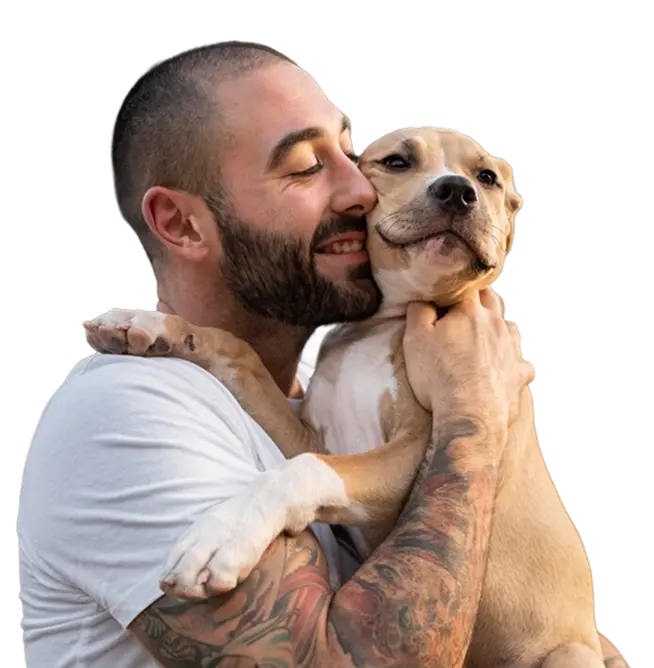

So, you’ve got yourself a new furry friend and you’re excited to have a loyal companion by your side. But wait, is that playful pup of yours a bit too rough with their interactions? Fear not, teaching your dog to be gentle is not as daunting as it may seem. In fact, with a little patience and some positive reinforcement training, you’ll have your pup behaving like a well-mannered gentleman in no time.
You see, dogs are eager to please their owners and with the right guidance, they can learn to be gentle in their interactions. By setting clear expectations, using gentle commands, and practicing bite inhibition, you can help your dog understand what behavior is acceptable and what is not. So, grab those treats and get ready to embark on a journey of training and bonding with your furry friend. Get ready to say, “Gentle! Good Dog!” in no time!
Setting Clear Expectations
Did you know that 97% of dog owners believe that gentle behavior can be taught through consistent training? By establishing rules and boundaries early on, your furry friend will learn what is expected of them and how to behave in a gentle manner.
Positive reinforcement, such as rewarding good behavior with treats or praise, can help reinforce the desired behavior and encourage your dog to continue being gentle. Consistency is key when setting expectations for your dog. Make sure everyone in your household is on the same page when it comes to teaching your dog to be gentle. By providing a united front and consistently reinforcing gentle behavior, your dog will quickly learn what is acceptable and what is not.
Positive Reinforcement Training
Training your pup with positive reinforcement can create a strong bond between you and your furry friend. By rewarding good behavior with treats, praise, or playtime, you’re teaching your dog that being gentle and calm is the way to earn positive attention from you. This method helps your dog associate good behavior with positive outcomes, making them more likely to repeat those actions in the future.
Positive reinforcement training also helps build your dog’s confidence and trust in you. When your pup receives praise and rewards for being gentle, they’ll feel secure and happy in your presence. This positive experience strengthens the bond between you and your dog, creating a harmonious relationship built on trust, respect, and love. So, keep those treats handy, shower your pup with praise, and watch as your furry friend learns to be gentle and well-behaved through positive reinforcement training.
Teaching Bite Inhibition
Help your furry friend learn to control their bite and be more gentle with others by practicing bite inhibition. This involves teaching your dog to moderate the pressure of their bite, so they can play and interact without causing harm.
Start by offering your dog a treat when they exhibit gentle behavior during playtime. If they become too rough, calmly say “ouch” and stop playing, showing them that gentle play is rewarded.
Encourage your dog to interact with other dogs to learn appropriate play behavior and bite inhibition. Allow them to socialize with well-behaved, gentle dogs who can demonstrate appropriate levels of play and bite control. Observe their interactions and step in if your dog is becoming too rough, redirecting their attention to more gentle play.
By practicing bite inhibition and providing positive reinforcement, you can help your dog become a gentle companion who interacts safely with others.
Using Gentle Commands
Using soft tones and kind gestures, show your pup how to interact gently with others. When your dog approaches someone, encourage them to be calm and gentle by using phrases like “gentle” or “easy.” Reward them with treats and praise when they respond gently, reinforcing this positive behavior.
Remember, dogs respond well to positive reinforcement, so be patient and consistent in your training. Practice using gentle commands in various situations, such as when your dog meets new people or plays with other animals. By teaching them to be gentle from a young age, you are shaping their behavior for the future.
Your dog will learn to be respectful and kind, making interactions with others a pleasant experience for everyone involved. So keep up the good work, and soon enough, your furry friend will be the epitome of gentle behavior.
Practicing Patience and Consistency
Consistency and patience are key when it comes to instilling gentle behaviors in your furry friend. Remember, Rome wasn’t built in a day, and neither will your dog’s behavior change overnight. Here are a few tips to help you stay on track:
-
Stay Calm: Your dog can sense your energy, so remaining calm and collected during training sessions will create a positive environment for learning.
- Take deep breaths if you’re feeling frustrated. Your dog will respond better to a relaxed trainer.
Set Clear Expectations: Make sure your dog understands what behavior is expected of them. Consistency in your commands and reactions will help reinforce the desired gentle behavior.
- Use the same cues and commands every time to avoid confusion. Your dog will learn quicker when they know what you want from them.
By practicing patience and staying consistent in your training, you’ll soon see progress in your dog’s ability to be gentle. Remember, it’s a journey, not a race, so take your time and enjoy the process of teaching your furry friend how to be the gentle companion you want them to be.





 Ask ChatGPT
 Ask Claude
 Ask Perplexity