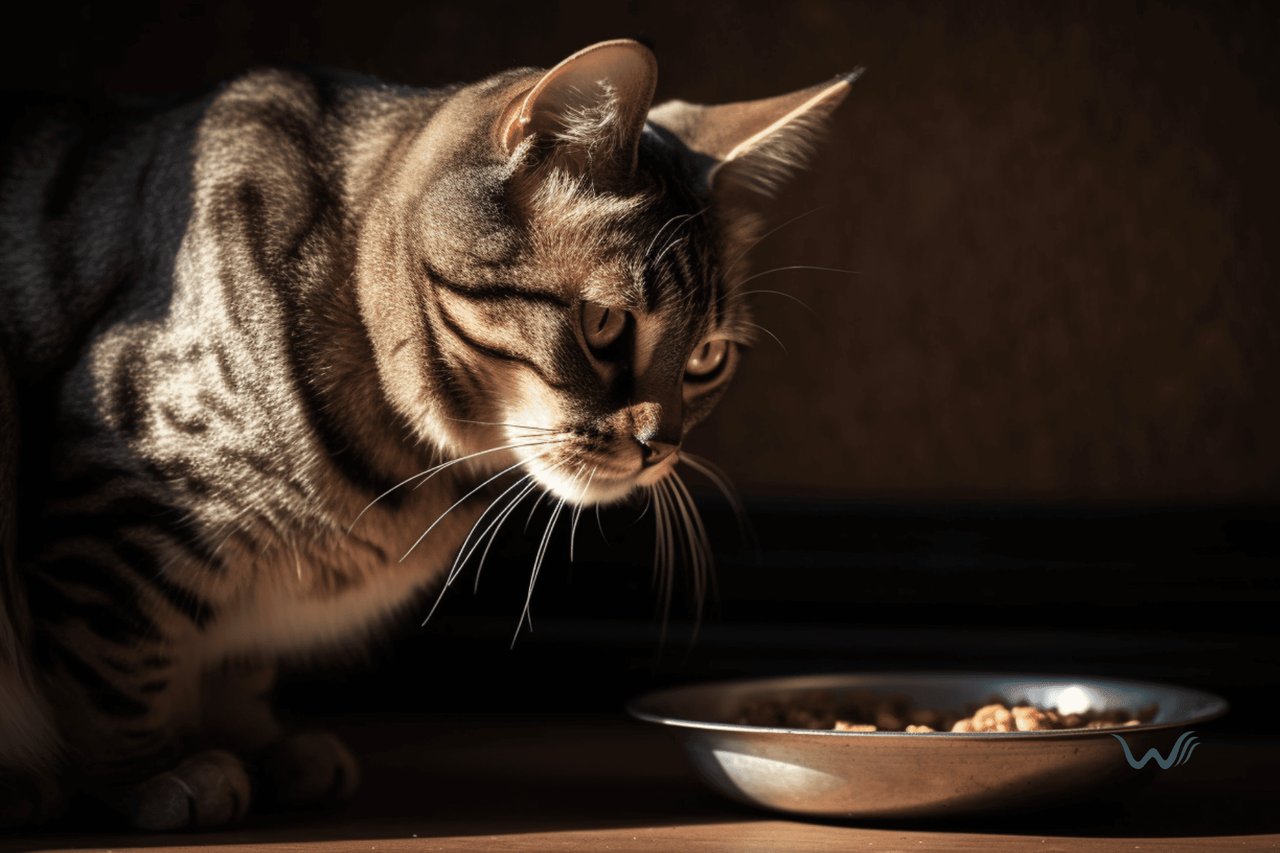

Cats have unique nutritional needs that must be met in order for them to thrive and maintain optimal health.
One aspect of a cat’s diet is the amount of wet food they should consume. Wet food provides cats with essential moisture, helps prevent urinary tract issues, and can be easier to digest than dry food.
However, determining your cat’s ideal portion size can be challenging. In this article, we will explore the factors to consider when feeding your cat wet food and provide guidelines to help you determine how much wet food your cat should eat.
When it comes to feeding your cat wet food, it is crucial to understand their nutritional requirements. Cats are obligate carnivores, meaning they need a diet high in animal-based protein.
Wet food is typically richer in protein than dry food, making it an excellent option for meeting your cat’s dietary needs. However, the portion size can vary depending on your cat’s age, weight, activity level, and overall health.
Understanding Your Cat’s Nutritional Needs
Different types of wet cat food are available, such as pate, chunks in gravy, and shredded meat. Each type has its own texture and presentation, but they all provide the necessary moisture content that is beneficial for cats.
One of the key benefits of wet food over dry food is the higher moisture content. Cats have a low thirst drive and may not drink enough water alone. Wet food can help increase their overall water intake, reducing the risk of dehydration and promoting good kidney health.
The moisture content in wet food also aids in maintaining urinary tract health, as it helps to dilute the concentration of minerals in the urine.
In addition to the moisture content, wet cat food often contains higher protein levels and lower carbohydrate levels than dry food. This is closer to a cat’s natural diet, as they’re obligate carnivores who require a high protein intake. Protein is essential for muscle maintenance, growth, and other bodily functions.
Cats are limited to digest carbohydrates, so a lower carbohydrate content in wet food suits their digestive system.
Understanding your cat’s nutritional needs is crucial for their overall health and well-being. Wet food provides the necessary moisture, protein, and lower carbohydrate levels that are beneficial for cats. By offering various wet cat food options, you can ensure that your feline friend receives a balanced diet that meets their specific nutritional requirements.
Determining the Ideal Portion Size
Determining the ideal portion size for your feline companion can ensure their nutritional needs are met. Portion control is crucial in maintaining a healthy weight for your cat and preventing obesity-related health issues.
The amount of wet food your cat should eat depends on various factors, including their age, weight, activity level, and overall health. Feeding guidelines provided by pet food manufacturers can serve as a starting point for determining the appropriate portion size. These guidelines typically recommend a certain amount of food based on your cat’s weight. However, it’s important to remember that these recommendations are just a general guideline and may need to be adjusted based on your cat’s individual needs.
Cats are known to be grazers, meaning they prefer to eat small, frequent meals throughout the day. However, free-feeding, or leaving food out all day, can lead to overeating and weight gain. Instead, dividing your cat’s daily portion into smaller meals and feeding them at specific times throughout the day is recommended.
Monitoring your cat’s body condition and weight determines the ideal portion size. If your cat is gaining weight, it may be necessary to reduce their portion size. On the other hand, if your cat is losing weight or not maintaining a healthy weight, it may be necessary to increase their portion size. Consulting with your veterinarian can help ensure that your cat’s portion size is appropriate for their specific needs.
Factors to Consider When Feeding Wet Food
One of the main factors to consider is the feeding schedule. Cats are known to be grazers, meaning they prefer to eat small meals throughout the day rather than one or two large meals. This is because their digestive system is designed to process small quantities of food at a time.
Therefore, dividing the daily portion of wet food into multiple meals is recommended to mimic their natural eating habits. This can help prevent overeating and reduce the risk of obesity.
Another factor to consider is your cat’s feeding preferences. Cats can be quite picky when it comes to their food, and some may have specific preferences for flavors or textures. Observe your cat’s response to the wet food and adjust accordingly. If your cat isn’t interested in a particular brand or flavor, it may be worth trying different options until you find one they enjoy.
Additionally, some cats may have dietary restrictions or sensitivities, consult with a veterinarian to ensure that the wet food you choose is suitable for your cat’s specific needs.
Monitoring Your Cat’s Weight and Health
Monitoring your cat’s weight and health ensures their overall well-being. Regular check-ups with a veterinarian are necessary to assess your cat’s health and catch any potential issues early on.
During these check-ups, your veterinarian can monitor your cat’s weight and body condition score, assessing their overall body fat. This can help determine if your cat is at a healthy weight or if they are overweight or obese.
Recognizing signs of obesity in your cat is also crucial for monitoring their weight and health. Obese cats are at a higher risk for various health problems, including diabetes, arthritis, and heart disease. Some signs of obesity in cats include difficulty grooming themselves, a lack of energy and decreased activity levels, and a visibly protruding belly.
Should I Adjust My Cat’s Wet Food Portions After Bathing?
After going through the necessary steps for bathing cat, your furry friend may need an adjustment in their wet food portions. Bathing can increase a cat’s stress levels, leading to a change in their appetite. Monitor their eating habits and make necessary adjustments to ensure they are getting the right amount of food.
How Can I Use the Amount of Wet Food to Help My Cat Stop Scratching the Furniture?
If your cat is scratching the furniture, try using the amount of wet food to distract and redirect their behavior. Place small portions of wet food on a scratching post to encourage them to use it instead. These simple tips for cat scratching furniture can help save your sofa.
Consulting with a Veterinarian for Personalized Recommendations
Consult with a veterinarian for personalized recommendations on the ideal amount of wet food for your feline friend. A veterinarian plays a crucial role in providing guidance on your cat’s diet, considering their specific dietary restrictions and individual needs. They have the knowledge and expertise to assess your cat’s overall health, body condition, and any underlying medical conditions that may affect their dietary requirements.
By consulting with a veterinarian, you can ensure that your cat’s diet is tailored to their specific needs, promoting their overall health and well-being.
When discussing your cat’s diet with a veterinarian, they may consider various factors to determine the ideal amount of wet food. These factors may include your cat’s age, weight, activity level, and any medical conditions they may have. For example, if your cat is overweight or obese, the veterinarian may recommend a specific portion size to help them achieve a healthy weight. On the other hand, if your cat has specific dietary restrictions, such as food allergies or sensitivities, the veterinarian can guide on selecting the appropriate wet food that meets their nutritional needs while avoiding any potential allergens.







 Ask ChatGPT
 Ask Claude
 Ask Perplexity