
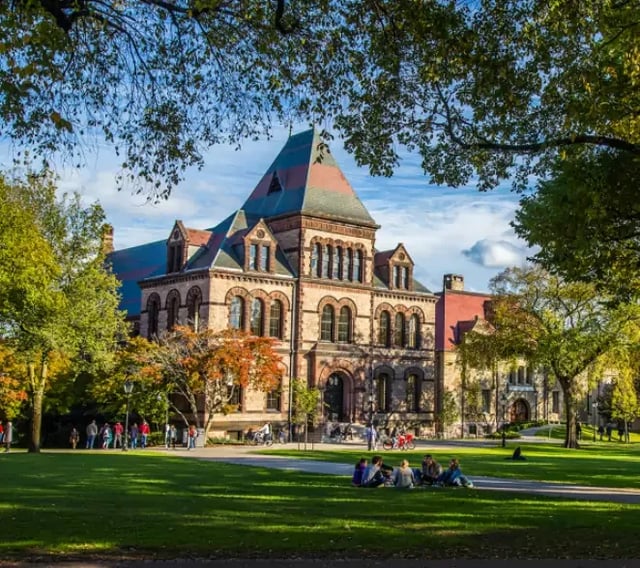
Brown University supports students with disabilities by allowing emotional support animals (ESAs) in University housing as a reasonable accommodation. This policy, managed through Student Accessibility Services (SAS) and Residential Life, ensures equal access to housing while maintaining campus safety for all residents.
Legal Framework
Brown University’s Emotional Support Animal (ESA) policy is shaped by federal and state laws designed to protect individuals with disabilities, ensuring they have equal access to educational opportunities and housing accommodations, including:
The Fair Housing Act prohibits housing discrimination based on disability and requires reasonable accommodations for individuals with disabilities, including the right to keep an ESA even in buildings that otherwise prohibit pets. Universities must make exceptions to pet policies when an ESA is necessary for equal access to housing.

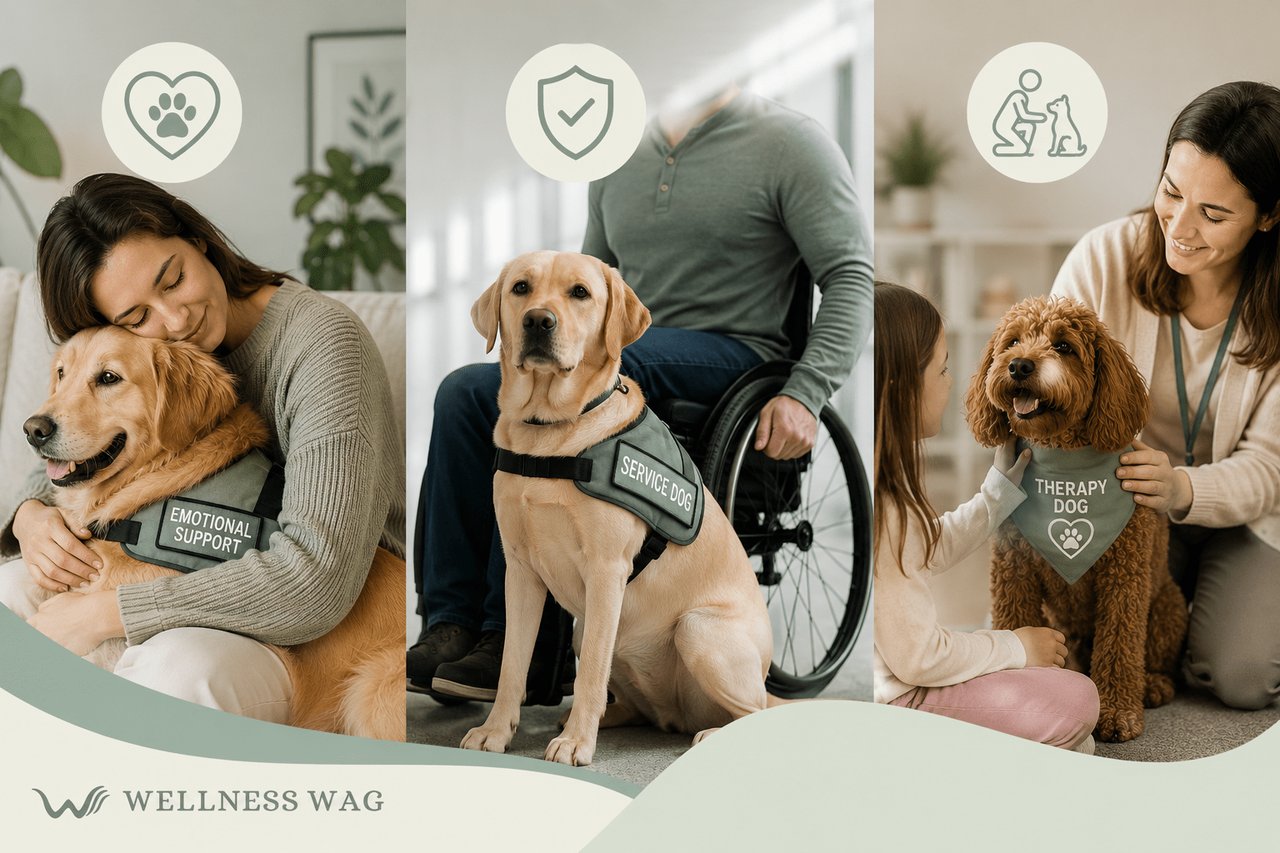
The ADA distinguishes between Service Animals and Emotional Support Animals. Service animals are dogs individually trained to perform specific tasks for individuals with disabilities and have public access rights. ESAs provide emotional support through companionship but are not granted the same public access rights under the ADA. ESAs are not allowed in non-residential buildings under ADA guidelines but are accommodated in housing under the FHA.

Section 504 prohibits disability discrimination in federally funded educational institutions and requires universities to provide reasonable accommodations, including allowing ESAs in residential housing when necessary for equal access.

In addition to federal regulations, Rhode Island state laws and City of Providence ordinances may also influence ESA policies at Brown University. The Rhode Island Fair Housing Practices Act (FHPA) provides additional protections for ESA owners, requiring housing providers to make reasonable accommodations for assistive animals and generally prohibiting discrimination based on breed, weight, or species of support animals. Brown University ensures that its ESA policy is in full compliance with relevant state and local regulations, providing a supportive and safe environment for all students.

Fair Housing Act (FHA)
The Fair Housing Act prohibits housing discrimination based on disability and requires reasonable accommodations for individuals with disabilities, including the right to keep an ESA even in buildings that otherwise prohibit pets. Universities must make exceptions to pet policies when an ESA is necessary for equal access to housing.
Americans with Disabilities Act (ADA)
The ADA distinguishes between Service Animals and Emotional Support Animals. Service animals are dogs individually trained to perform specific tasks for individuals with disabilities and have public access rights. ESAs provide emotional support through companionship but are not granted the same public access rights under the ADA. ESAs are not allowed in non-residential buildings under ADA guidelines but are accommodated in housing under the FHA.
Section 504 of the Rehabilitation Act of 1973
Section 504 prohibits disability discrimination in federally funded educational institutions and requires universities to provide reasonable accommodations, including allowing ESAs in residential housing when necessary for equal access.
State and Local Laws
In addition to federal regulations, Rhode Island state laws and City of Providence ordinances may also influence ESA policies at Brown University. The Rhode Island Fair Housing Practices Act (FHPA) provides additional protections for ESA owners, requiring housing providers to make reasonable accommodations for assistive animals and generally prohibiting discrimination based on breed, weight, or species of support animals. Brown University ensures that its ESA policy is in full compliance with relevant state and local regulations, providing a supportive and safe environment for all students.
Who Qualifies for an Emotional Support Animal
Assistance Animals (ESAs)
Students with disabilities may keep an ESA in their University housing if the animal provides emotional support that alleviates or mitigates symptoms of their disability. Documentation from a health provider is required. Approval must be obtained from Student Accessibility Services (SAS) before bringing the animal to campus. ESAs are restricted to the student’s residence hall room.
Service Animals
Students with disabilities may have a Service Animal in their housing and other campus venues if the animal is trained to perform tasks directly related to the student’s disability. Service animals are dogs (and in limited cases, miniature horses) individually trained to do work for a person with a disability. Service Animals do not require prior approval but students are encouraged to register with SAS.

Application Process for an ESA
Step 1: Register with SAS
Step 2: Upload Documentation
Upload all required documentation to the Student Files section of the SAS Portal (only accessible after intake form is processed). Documents must be submitted together to avoid delays. Required documentation includes:
- Verification Form completed by your health provider
- Signed Emotional Support Animal Process for Students Form
- Up-to-date rabies vaccine document
- Current photo of the animal
Documentation should answer: What are the functional limitations of the disability? How do the limitations impact the living environment? What is the student unable to access in a residential setting?
Step 3: Review and Approval
Responsibilities of ESA Owners
- Keep the ESA in your residence hall room except during transport. The animal must be in your room or in a suitable container if you are not present.
- Animals must leave campus with you if you depart overnight or during University breaks.
- Ensure the ESA’s hygiene and well-being, including proper waste disposal.
- Cover all associated costs including care, damages, and any expenses related to the animal.
- Comply with local licensing and vaccination laws.
- Notify SAS if the ESA is no longer needed or if you replace the animal.
- ESA accommodations must be renewed annually through SAS.
Exclusions and Removal
Animals may be asked to leave campus or not be allowed on campus if:
- They are out of control, unclean, unhousebroken, or pose a safety or health risk
- Repeated complaints are received and the owner fails to address issues
- The animal is mistreated or causes harm to others
Complaint Process:
- First Complaint: Written warning issued
- Second Complaint: SAS assesses impact and may work with Residential Life to reassign housing
- Third Complaint: Animal may be removed from campus
Conflicting Needs and Resolutions
Brown University is committed to accommodating both ESA owners and other residents who may have conflicting needs, such as allergies or fears related to animals. SAS collaborates with Residential Life to notify known roommates and suitemates about the presence of an ESA to address concerns. Issues are handled on a case-by-case basis, and any concerns during the academic year should be reported promptly to SAS and the Office of Residential Life.
Important Considerations
- ESAs are restricted to the residence hall where the owner resides and cannot access classrooms, dining areas, other residence halls, or other campus buildings.
- Students are responsible for not leaving the ESA unattended for an unreasonable length of time.
- Notify SAS of any changes regarding the ESA throughout the year.







 Ask ChatGPT
 Ask Claude
 Ask Perplexity