
Carnegie Mellon University is committed to providing reasonable accommodations to students with disabilities through an interactive process. This policy ensures that students with emotional support animals (ESAs) have equal opportunity to use and enjoy university housing while maintaining a healthy, safe, and supportive environment for all community members. The Office of Disability Resources administers all ESA accommodations in compliance with federal and state laws.
Legal Framework
Carnegie Mellon University’s Emotional Support Animal (ESA) policy is shaped by federal laws designed to protect individuals with disabilities. The key legal frameworks include:
The Fair Housing Act (FHA) prohibits discrimination in housing based on disability. CMU complies with the FHA and recognizes that an ESA may provide assistance in allowing a student with a disability an equal opportunity to use and enjoy university housing. Under the FHA, universities must make reasonable accommodations for individuals with disabilities, which may include allowing ESAs even in residences with no-pet policies.

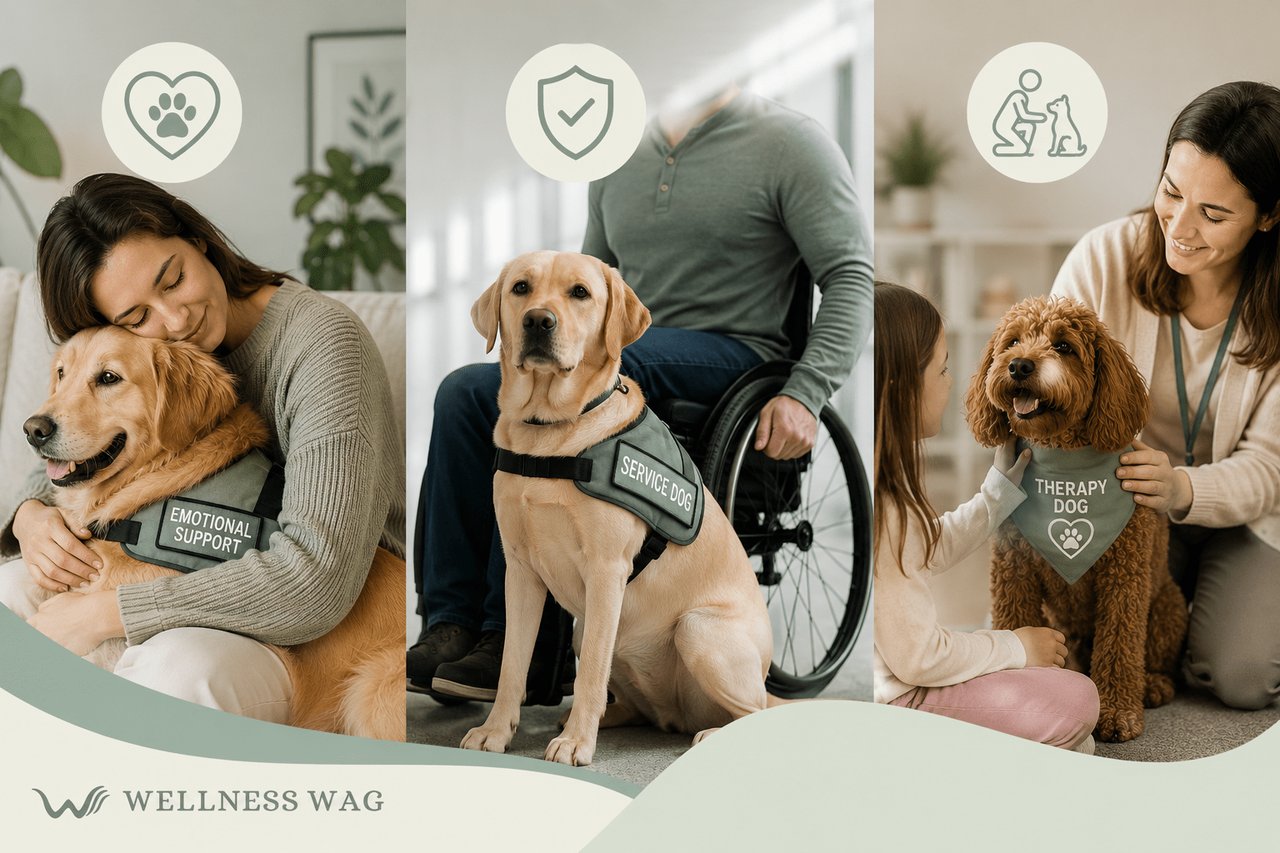
While the Americans with Disabilities Act (ADA) primarily governs public spaces and services, it distinguishes between Service Animals and Emotional Support Animals. The ADA recognizes Service Animals that are trained to perform specific tasks for individuals with disabilities. ESAs, which provide therapeutic emotional support through companionship, are not granted the same public access rights under the ADA. ESAs are not permitted in CMU’s non-residential buildings or common areas under ADA guidelines but are accommodated in private housing spaces under the FHA.

Section 504 prohibits discrimination based on disability in programs and activities offered by federally funded educational institutions. Under Section 504, Carnegie Mellon must provide reasonable accommodations to ensure students with disabilities have equal access to university programs, including housing accommodations.

Pennsylvania state laws and Pittsburgh city ordinances also govern ESA policies at Carnegie Mellon. All dogs must be properly registered with the City of Pittsburgh, and animals must comply with local vaccination and licensing requirements. The university ensures full compliance with all relevant state and local regulations to ensure individuals with disabilities have the right to reasonable accommodations in housing and educational settings.

Fair Housing Act (FHA)
The Fair Housing Act (FHA) prohibits discrimination in housing based on disability. CMU complies with the FHA and recognizes that an ESA may provide assistance in allowing a student with a disability an equal opportunity to use and enjoy university housing. Under the FHA, universities must make reasonable accommodations for individuals with disabilities, which may include allowing ESAs even in residences with no-pet policies.
Americans with Disabilities Act (ADA)
While the Americans with Disabilities Act (ADA) primarily governs public spaces and services, it distinguishes between Service Animals and Emotional Support Animals. The ADA recognizes Service Animals that are trained to perform specific tasks for individuals with disabilities. ESAs, which provide therapeutic emotional support through companionship, are not granted the same public access rights under the ADA. ESAs are not permitted in CMU’s non-residential buildings or common areas under ADA guidelines but are accommodated in private housing spaces under the FHA.
Section 504 of the Rehabilitation Act of 1973
Section 504 prohibits discrimination based on disability in programs and activities offered by federally funded educational institutions. Under Section 504, Carnegie Mellon must provide reasonable accommodations to ensure students with disabilities have equal access to university programs, including housing accommodations.
State and Local Laws
Pennsylvania state laws and Pittsburgh city ordinances also govern ESA policies at Carnegie Mellon. All dogs must be properly registered with the City of Pittsburgh, and animals must comply with local vaccination and licensing requirements. The university ensures full compliance with all relevant state and local regulations to ensure individuals with disabilities have the right to reasonable accommodations in housing and educational settings.
Who Qualifies for an Emotional Support Animal
Assistance Animals (ESAs)
Students with disabilities may keep an ESA in their university housing if the animal is necessary to afford them an equal opportunity to use and enjoy campus housing. There must be an identifiable relationship between the disability and the support the ESA provides. Approval must be obtained from the Office of Disability Resources before bringing the animal to campus.
Service Animals
Students with disabilities may keep a Service Animal in their housing and throughout campus if the animal is trained to perform specific tasks directly related to the student’s disability. Service Animals are typically dogs or miniature horses. If the need for a Service Animal is readily apparent, no documentation is required, though registration with the Office of Disability Resources is encouraged.

Application Process for an ESA
Step 1: Submit Housing Accommodations Application
Step 2: Healthcare Professional Documentation
Students must work with their licensed and treating medical or mental health professional to complete the Housing Accommodations Healthcare Professional Supplement. The documentation must include:
- Confirmation that the student has a documented disability
- Evidence that the ESA is necessary to afford the student equal opportunity to use and enjoy university housing
- An identifiable relationship between the disability and the support the ESA provides
- Personal knowledge from the healthcare provider of the student’s disability and need for the animal
Step 3: Interactive Review Process
Step 4: Approval and Meeting
Responsibilities of ESA Owners
- The student is responsible for the behavior and care of the ESA at all times and may not delegate these responsibilities to a roommate or other student.
- ESAs must be contained within the student’s private living space except when being taken outside for natural relief. When outside the private space, animals must be on a leash/harness or in a carrier.
- Students must provide a photograph of the animal to the Office of Disability Resources. Animals that can wear collars must have collars with basic identification at all times.
- Students must comply with Pittsburgh city ordinances requiring dog registration and all vaccination requirements. Documentation must be provided annually and updated before expiration.
- Dogs must be housebroken and kennel trained. Cats or rabbits must be litterbox-trained. Students must immediately clean up and properly dispose of animal waste using outside trash receptacles only.
- The living space must be kept reasonably clean and free of animal odors. Students are financially responsible for all costs including damage beyond normal wear and tear, cleaning, repairs, pest control, and floor covering replacement if needed.
- Students must provide an emergency contact who does not reside in university housing. If unable to care for the animal for more than 24 hours, it must be boarded outside university housing.
- The animal must not pose a threat to health or safety of others, create significant disturbances, or unduly interfere with residence activities. Disruptive or aggressive animals must be removed.
- It is strongly recommended that cats and dogs be spayed or neutered to reduce property damage risk and aggressive behavior.
Conflicting Needs and Resolutions
If an allergy or other condition renders a community member unable to share space with an animal, that individual should contact the Office of Disability Resources to discuss whether a disability accommodation is appropriate. The university will engage in an interactive process to find balanced solutions that meet the needs of all parties, which may include alternative housing arrangements.
Important Considerations
- Students are typically approved for one ESA per accommodation request, evaluated case-by-case. ESAs are generally limited to dogs, cats, small birds, rabbits, hamsters, gerbils, other rodents, fish, turtles, or other small domesticated animals.
- No surcharges or pet fees are charged for approved ESAs. Students receiving housing accommodations requiring specific room types pay no more than the Base Rate for standard housing.
- Students must notify the Office of Disability Resources in writing if the animal is no longer needed or in residence. To replace an animal, a new request must be submitted.
- Students falsely characterizing animals as ESAs may face discipline under university policies.







 Ask ChatGPT
 Ask Claude
 Ask Perplexity