

The University of North Carolina at Chapel Hill recognizes that Support Animals provide individuals with disabilities enhanced autonomy and independence. Through the University Compliance Office, UNC allows qualified students to keep Support Animals (commonly referred to as emotional support animals or ESAs) in University housing as a reasonable accommodation. This policy ensures students with disabilities have equal access to housing while maintaining campus safety and community standards.
Legal Framework
UNC’s Emotional Support Animal (ESA) policy is shaped by federal laws and regulations designed to protect individuals with disabilities, ensuring they have equal access to educational opportunities and housing accommodations. The key legal frameworks influencing this policy include:
The Fair Housing Act prohibits housing discrimination based on disability and requires reasonable accommodations. Support Animals that provide emotional support and alleviate symptoms of a disability qualify as reasonable accommodations in housing, even where pets are otherwise prohibited. Housing providers must exempt Support Animals from pet policies unless the exemption would cause an undue hardship.

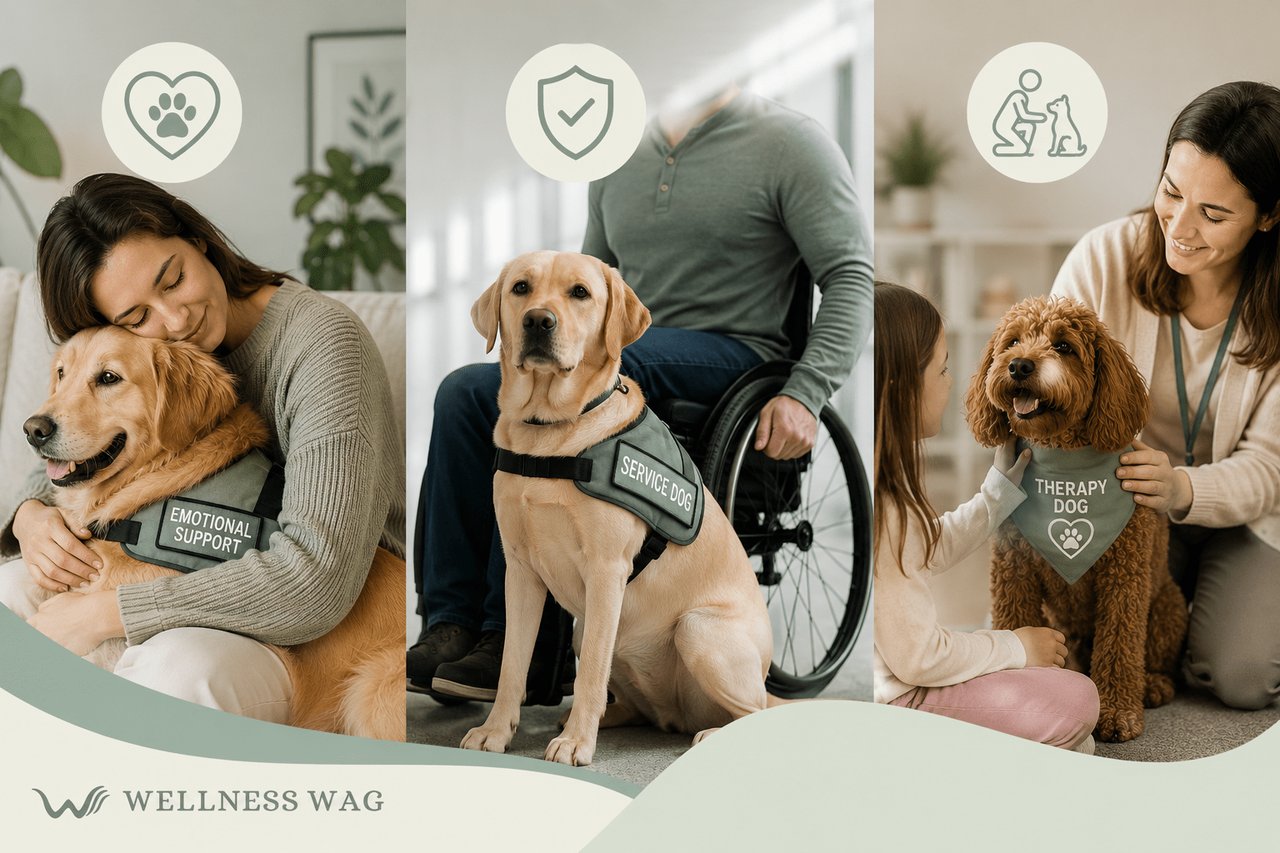
The ADA distinguishes between Service Animals and Support Animals. Service Animals, dogs or miniature horses trained to perform disability-related tasks, are generally permitted throughout campus. Support Animals provide emotional support through companionship but don’t have the same public access rights. Animals whose sole function is to provide comfort or emotional support are not Service Animals under the ADA but may qualify as Support Animals under FHA laws.

As a recipient of federal funding, UNC Chapel Hill must comply with Section 504’s mandate against disability discrimination in all programs and activities. This includes providing reasonable accommodations in residential settings when medically necessary. Section 504 requires that accommodation decisions be based on individualized assessment rather than categorical exclusions, which is why UNC evaluates each assistance animal request on its specific merits.

In addition to federal regulations, North Carolina laws and local ordinances also influence Support Animal policies at UNC. The university ensures that its Support Animal policy is in full compliance with relevant state and local regulations, providing a supportive environment for all students while meeting legal requirements.

Fair Housing Act (FHA)
The Fair Housing Act prohibits housing discrimination based on disability and requires reasonable accommodations. Support Animals that provide emotional support and alleviate symptoms of a disability qualify as reasonable accommodations in housing, even where pets are otherwise prohibited. Housing providers must exempt Support Animals from pet policies unless the exemption would cause an undue hardship.
Americans with Disabilities Act (ADA)
The ADA distinguishes between Service Animals and Support Animals. Service Animals, dogs or miniature horses trained to perform disability-related tasks, are generally permitted throughout campus. Support Animals provide emotional support through companionship but don’t have the same public access rights. Animals whose sole function is to provide comfort or emotional support are not Service Animals under the ADA but may qualify as Support Animals under FHA laws.
Section 504 of the Rehabilitation Act of 1973
As a recipient of federal funding, UNC Chapel Hill must comply with Section 504’s mandate against disability discrimination in all programs and activities. This includes providing reasonable accommodations in residential settings when medically necessary. Section 504 requires that accommodation decisions be based on individualized assessment rather than categorical exclusions, which is why UNC evaluates each assistance animal request on its specific merits.
State and Local Laws
In addition to federal regulations, North Carolina laws and local ordinances also influence Support Animal policies at UNC. The university ensures that its Support Animal policy is in full compliance with relevant state and local regulations, providing a supportive environment for all students while meeting legal requirements.
Who Qualifies for an Emotional Support Animal
Assistance Animals (ESAs)
Students with documented disabilities may keep a Support Animal in their University housing if the animal provides emotional support that alleviates symptoms or effects of their disability. Once approved, Support Animals are permitted only in University housing and are not permitted in other campus areas such as classrooms, dining halls, or research facilities.
Service Animals
Service Animals are dogs or miniature horses individually trained to do work or perform disability-related tasks. Service Animals are generally permitted throughout campus, though restrictions may apply in certain locations such as research labs or sterile environments due to health and safety concerns.

Application Process for an ESA
Step 1: Submit Request and Documentation
Submit a request to the University Compliance Office (UCO), preferably at least 30 days prior to move-in. No Support Animal may be kept in University housing at any time prior to receiving approval. Provide documentation from a licensed healthcare provider that includes:
- Confirmation of your disability
- Statement on how the Support Animal is necessary to afford you an equal opportunity to use and enjoy University housing
- Confirmation that the animal provides emotional support that alleviates symptoms of your disability
- Confirmation that the animal has been prescribed for treatment purposes as part of a care or treatment plan
Step 2: Review and Evaluation
Step 3: Approval and Notification
Responsibilities of Support Animal Owners
- Students must comply with all county and state laws including animal license requirements, vaccination, neutering/spaying requirements, and identification tags.
- Keep the animal under control at all times. Support Animals must be housebroken and kept under control by a harness, leash, or other tether when outside the residence.
- Feed and exercise the animal, dispose of waste, and cover all costs associated with repair or replacement for any damage caused by the animal.
- Ensure your animal does not disturb other residents or interfere with residence hall activities.
- You are fully liable for the cost, care, and supervision of the animal, including veterinary care and any damages to university property or injuries to others.
Conflicting Needs and Resolutions
Students with medical conditions affected by animals such as allergies or respiratory issues should contact UCO to prevent a room assignment near a Support Animal. In public areas, persons using Assistance Animals and persons prevented from being near animals should be courteous and find mutually acceptable solutions. The university will resolve conflicts as expeditiously as possible.
Important Considerations
- In limited circumstances, Support Animals may be permitted in other campus interior spaces with advance approval from UCO on a case-by-case basis.
- Falsely presenting a pet as an Assistance Animal violates North Carolina law.
- If removal is necessary, the student will still be given the opportunity to participate in university programs without the Support Animal present.







 Ask ChatGPT
 Ask Claude
 Ask Perplexity