


California Institute of Technology supports students with disabilities by allowing emotional support animals (ESAs) in University housing as a reasonable accommodation. This policy, managed through Caltech Accessibility Services for Students (CASS) and the Housing Office, ensures equal access to housing while maintaining campus safety for all residents.
Legal Framework
Caltech’s Emotional Support Animal (ESA) policy is shaped by federal laws and regulations designed to protect individuals with disabilities, ensuring they have equal access to educational opportunities and housing accommodations. The key legal frameworks influencing this policy include:
The Fair Housing Act prohibits housing discrimination based on disability and requires reasonable accommodations for individuals with disabilities, including the right to keep an ESA even in buildings that otherwise prohibit pets. Universities must make exceptions to pet policies when an ESA is necessary for equal access to housing.

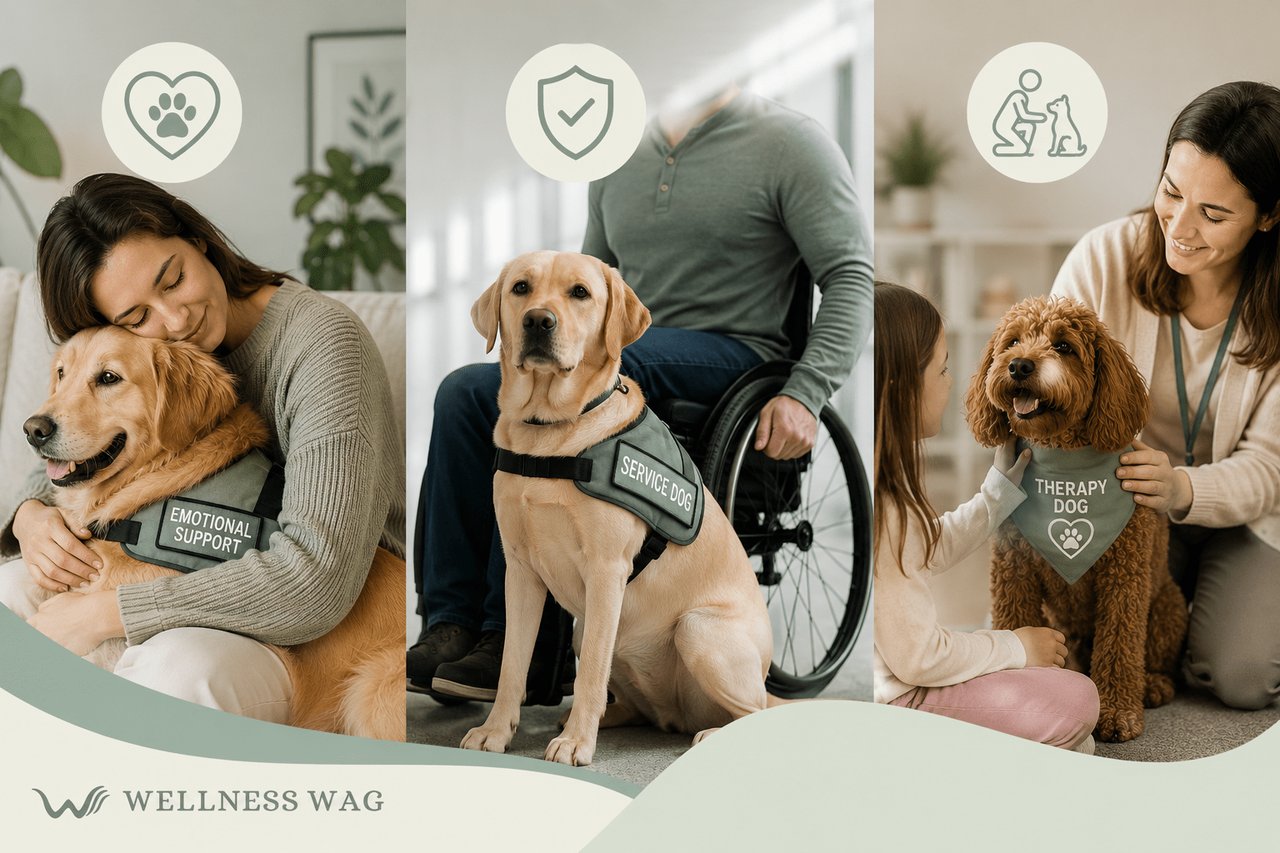
The ADA distinguishes between Service Animals and Emotional Support Animals. Service animals (dogs and limited cases of miniature horses) trained to perform specific tasks have public access rights. ESAs provide comfort through companionship but are not allowed in non-residential buildings under ADA guidelines. They are accommodated in housing under the FHA.

Section 504 prohibits disability discrimination in federally funded educational institutions and requires universities to provide reasonable accommodations, including allowing ESAs in residential housing when necessary for equal access.

In addition to federal regulations, California state laws and City of Pasadena ordinances may also influence ESA policies at California Institute of Technology. These laws may offer additional protections for individuals with disabilities and could include specific provisions related to housing, service animals, and ESAs. California Institute of Technology ensures that its ESA policy is in full compliance with relevant state and local regulations, providing a supportive and safe environment for all students.

Fair Housing Act (FHA)
The Fair Housing Act prohibits housing discrimination based on disability and requires reasonable accommodations for individuals with disabilities, including the right to keep an ESA even in buildings that otherwise prohibit pets. Universities must make exceptions to pet policies when an ESA is necessary for equal access to housing.
Americans with Disabilities Act (ADA)
The ADA distinguishes between Service Animals and Emotional Support Animals. Service animals (dogs and limited cases of miniature horses) trained to perform specific tasks have public access rights. ESAs provide comfort through companionship but are not allowed in non-residential buildings under ADA guidelines. They are accommodated in housing under the FHA.
Section 504 of the Rehabilitation Act of 1973
Section 504 prohibits disability discrimination in federally funded educational institutions and requires universities to provide reasonable accommodations, including allowing ESAs in residential housing when necessary for equal access.
State and Local Laws
In addition to federal regulations, California state laws and City of Pasadena ordinances may also influence ESA policies at California Institute of Technology. These laws may offer additional protections for individuals with disabilities and could include specific provisions related to housing, service animals, and ESAs. California Institute of Technology ensures that its ESA policy is in full compliance with relevant state and local regulations, providing a supportive and safe environment for all students.
Who Qualifies for an Emotional Support Animal
Assistance Animals (ESAs)
Students with disabilities may keep an ESA in their University housing if the animal is necessary to afford them an equal opportunity to use and enjoy campus housing. The relationship between the disability and the need for the ESA must be documented, and approval must be obtained from the CASS. Approved assistance animals are permitted only in privately assigned housing.
Service Animals
Service animals are dogs (or limited cases of miniature horses) individually trained to perform disability-related tasks. They may access housing and other campus venues without prior approval, though registration with CASS is encouraged.

Application Process for an ESA
Step 1: Submit Request to CASS
Students must contact CASS at least 30 days in advance of when they plan to bring the ESA to campus. It is strongly recommended that students begin this process well before the start of the school year. Students must provide:
- Documentation from a mental health provider with whom the student has an established treatment relationship
- Documentation that supports the need for an ESA, including how the animal is necessary to afford the student an equal opportunity to use and enjoy the dwelling
- Evidence showing an identifiable relationship between the disability and the assistance the animal provides
Important: Staff members at Caltech Housing and the Office of Residential Experience will not collect any medical information. All personal medical information should be submitted directly to CASS.
Step 2: Review and Approval
Step 3: Housing Notification and Assignment
Step 4: ESA Agreement and Documentation
Students will meet with Housing staff to review and sign the ESA Agreement form and discuss rules and expectations. If the student lives in a unit with roommates, a meeting will be scheduled to review the ESA Roommate Agreement with all residents. Before bringing the animal to campus, students must provide:
- A photograph of the ESA
- Proof that the ESA has all required vaccinations, including but not limited to distemper and rabies
- Proof of current City of Pasadena licensure (for dogs only)
- Proof of spay/neuter certificate consistent with City of Pasadena ordinance (for dogs only)
- Proof of current flea treatment plan
Critical: Bringing an animal before approval results in a $350 fine, two weeks to remove the animal, and possible loss of housing privileges.

Responsibilities of ESA Owners
- Maintain full care and supervision of the ESA, ensuring it doesn’t interfere with housing activities or cause difficulties for others.
- Keep current vaccinations, health documentation, and City of Pasadena licensing. Ensure proper grooming and good health.
- Pay for any damage caused by the animal beyond reasonable wear and tear, including unit damage and common area repairs.
- Provide an emergency contact to care for the ESA if unavailable.
Conflicting Needs and Resolutions
Caltech accommodates both ESA owners and residents with conflicting medical needs such as allergies, respiratory diseases, or asthma. Students with health concerns about ESA exposure should contact CASS, as they may be eligible for disability accommodations. CASS, Residential Life, and Housing staff collaborate to resolve conflicts while considering all residents’ needs.
Important Considerations
- ESAs are only permitted in assigned housing units and designated outdoor areas. They are not allowed in classrooms, laboratories, dining halls, or libraries.
- ESAs may be removed for violations of the ESA Agreement terms.
- Students will be charged for damage and may be asked to remove the animal if destructive behavior continues.
- Requests made after housing assignments may take longer to process.
- Pets are strictly prohibited, only formally approved ESAs are permitted.







 Ask ChatGPT
 Ask Claude
 Ask Perplexity