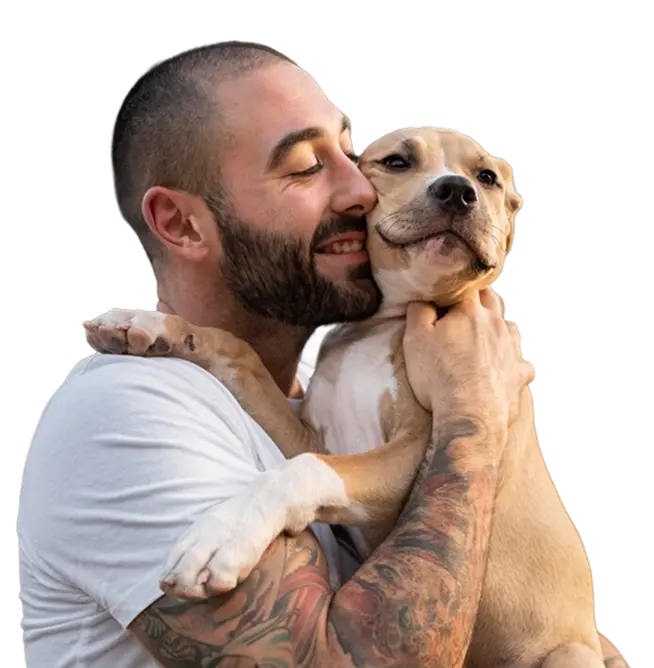


Columbia University recognizes that assistance animals provide individuals with disabilities enhanced autonomy and independence. Through Disability Services, Columbia allows qualified students to keep assistance animals (commonly referred to as emotional support animals or ESAs) in University housing as a reasonable accommodation. This policy ensures students with disabilities have equal access to housing while maintaining campus safety and community standards.
Legal Framework
Columbia University’s assistance animal policy complies with federal, state, and local laws protecting individuals with disabilities and ensuring equal access to housing.
The Fair Housing Act prohibits housing discrimination based on disability and requires reasonable accommodations. Assistance animals that provide emotional support and alleviate symptoms of a disability qualify as reasonable accommodations in housing, even where pets are otherwise prohibited. Housing providers must exempt assistance animals from pet policies unless the exemption would cause an undue hardship.

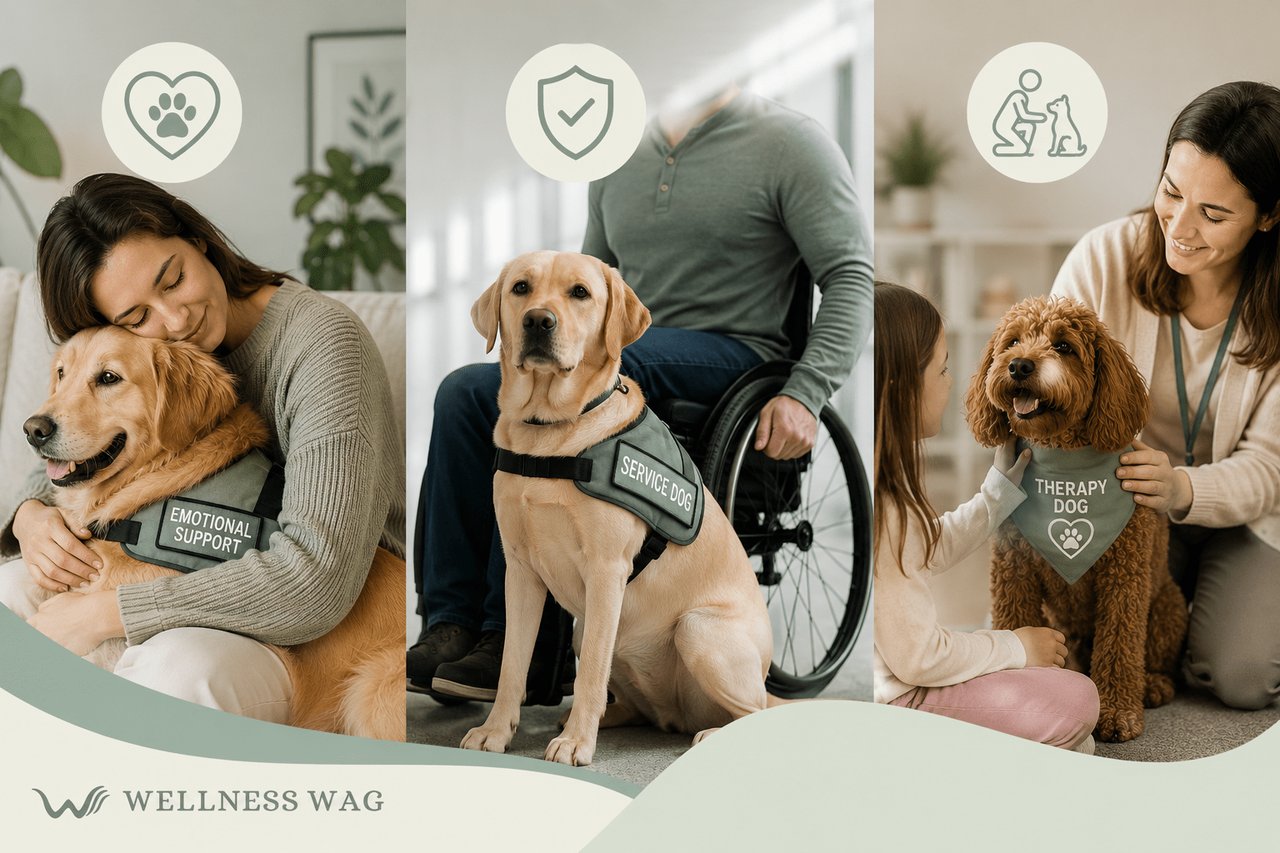
The ADA distinguishes between service animals and assistance animals. Service animals, dogs or miniature horses trained to perform disability-related tasks, are generally permitted throughout campus. Assistance animals provide emotional support through companionship but don’t have the same public access rights. Dogs whose sole function is to provide comfort or emotional support are not service animals under the ADA but may qualify as assistance animals under FHA laws.

Section 504 prohibits disability discrimination in federally funded programs and requires reasonable accommodations, including assistance animals in residential settings when medically necessary for equal access to housing and educational opportunities.

New York provides additional protections for assistance animal owners through the NYC Human Rights Law, which protects against disability discrimination in housing and ensures the right to have assistance animals as reasonable accommodations.

Fair Housing Act (FHA)
The Fair Housing Act prohibits housing discrimination based on disability and requires reasonable accommodations. Assistance animals that provide emotional support and alleviate symptoms of a disability qualify as reasonable accommodations in housing, even where pets are otherwise prohibited. Housing providers must exempt assistance animals from pet policies unless the exemption would cause an undue hardship.
Americans with Disabilities Act (ADA)
The ADA distinguishes between service animals and assistance animals. Service animals, dogs or miniature horses trained to perform disability-related tasks, are generally permitted throughout campus. Assistance animals provide emotional support through companionship but don’t have the same public access rights. Dogs whose sole function is to provide comfort or emotional support are not service animals under the ADA but may qualify as assistance animals under FHA laws.
Section 504 of the Rehabilitation Act of 1973
Section 504 prohibits disability discrimination in federally funded programs and requires reasonable accommodations, including assistance animals in residential settings when medically necessary for equal access to housing and educational opportunities.
State and Local Laws
New York provides additional protections for assistance animal owners through the NYC Human Rights Law, which protects against disability discrimination in housing and ensures the right to have assistance animals as reasonable accommodations.
Who Qualifies for an Emotional Support Animal
Assistance Animals (ESAs)
Students with documented disabilities may keep an assistance animal in their University housing if the animal provides emotional support that alleviates symptoms or effects of their disability. Documentation from a licensed healthcare provider with a bona fide treatment relationship is required, and approval must be obtained from Disability Services before bringing the animal to campus. Once approved, assistance animals are permitted only in University housing and are not permitted in other campus areas such as libraries, academic buildings, or classrooms.
Service Animals
Service animals are dogs or miniature horses individually trained to do work or perform disability-related tasks, such as guiding people who are blind, alerting people who are deaf, or reminding people with psychiatric conditions to take medications. Service animals are generally permitted throughout campus, though restrictions may apply in certain locations due to health and safety concerns.

Application Process for an ESA
Step 1: Submit Registration Form and Documentation
Obtain the Service and Assistance Animal Registration Form from the Columbia Health website. Submit this form to Disability Services along with documentation from a licensed healthcare provider that includes:
- Confirmation of your disability
- Statement on how the animal serves as an accommodation for your disability
- Statement on how the need for the animal relates to your ability to use and enjoy University housing
- Current documentation dated within the last six months
- Verification of bona fide treatment relationship with the provider
Step 2: Submit Animal Health Documentation
Provide required documentation of good health from a licensed veterinarian:
- Clean bill of health certifying the animal is in good health with all vaccinations up to date
- Proof of rabies vaccination for dogs and cats
- Documentation that the animal is immunized against diseases common to that type of animal
Step 3: Sign Guidelines and Await Approval

Responsibilities of ESA Owners
- Ensure your animal does not unduly interfere with residence activities or burden other students.
- You are financially responsible for all bodily injury, property damage, cleaning expenses, and repairs caused by your animal.
- Place Animal Notification Signs on your door to inform maintenance staff of your animal’s presence.
- Notify Disability Services in writing if the animal is no longer needed or in housing. File a new request to replace an animal
- Your residence may be inspected for pests once per semester. You will be billed for any necessary pest treatment.
- Keep your animal in your room or appropriate container when you are not present. Assistance animals must remain in your privately assigned area except when transported in a carrier or on leash.
- Designate an Animal Emergency Contact who can remove the animal within eight hours if you cannot care for it. The contact must be over 18 and reside outside University housing, or be a licensed facility.
Conflicting Needs and Resolutions
Students with medical conditions affected by animals such as respiratory diseases, asthma, or severe allergies must contact Disability Services if they have health or safety concerns about exposure to an approved animal. Columbia is prepared to reasonably accommodate individuals with such medical conditions. Disability Services will resolve conflicts in a timely manner, considering the needs of all persons involved.
Important Considerations
- Assistance animals are permitted only in privately assigned living space in University housing, not in other University property including libraries, classrooms, or labs.
- Only one assistance animal per student will typically be approved. Approvals are granted for one academic year and require annual renewal with updated health records.
- Students must remain in University housing for approval to remain active. The University will inactivate approval if you are not residing in University housing.







 Ask ChatGPT
 Ask Claude
 Ask Perplexity