


Cornell University supports students with disabilities by allowing emotional support animals (ESAs) in University housing as a reasonable accommodation. This policy, managed through Student Disability Services (SDS) in collaboration with Residential and New Student Programs and Housing, ensures equal access to housing while maintaining campus safety for all residents.
Legal Framework
Cornell University’s Emotional Support Animal (ESA) policy is shaped by federal and state laws designed to protect individuals with disabilities, ensuring they have equal access to educational opportunities and housing accommodations.
The Fair Housing Act prohibits housing discrimination based on disability and requires reasonable accommodations for individuals with disabilities, including the right to keep an ESA even in buildings that otherwise prohibit pets. Universities must make exceptions to pet policies when an ESA is necessary for equal access to housing.

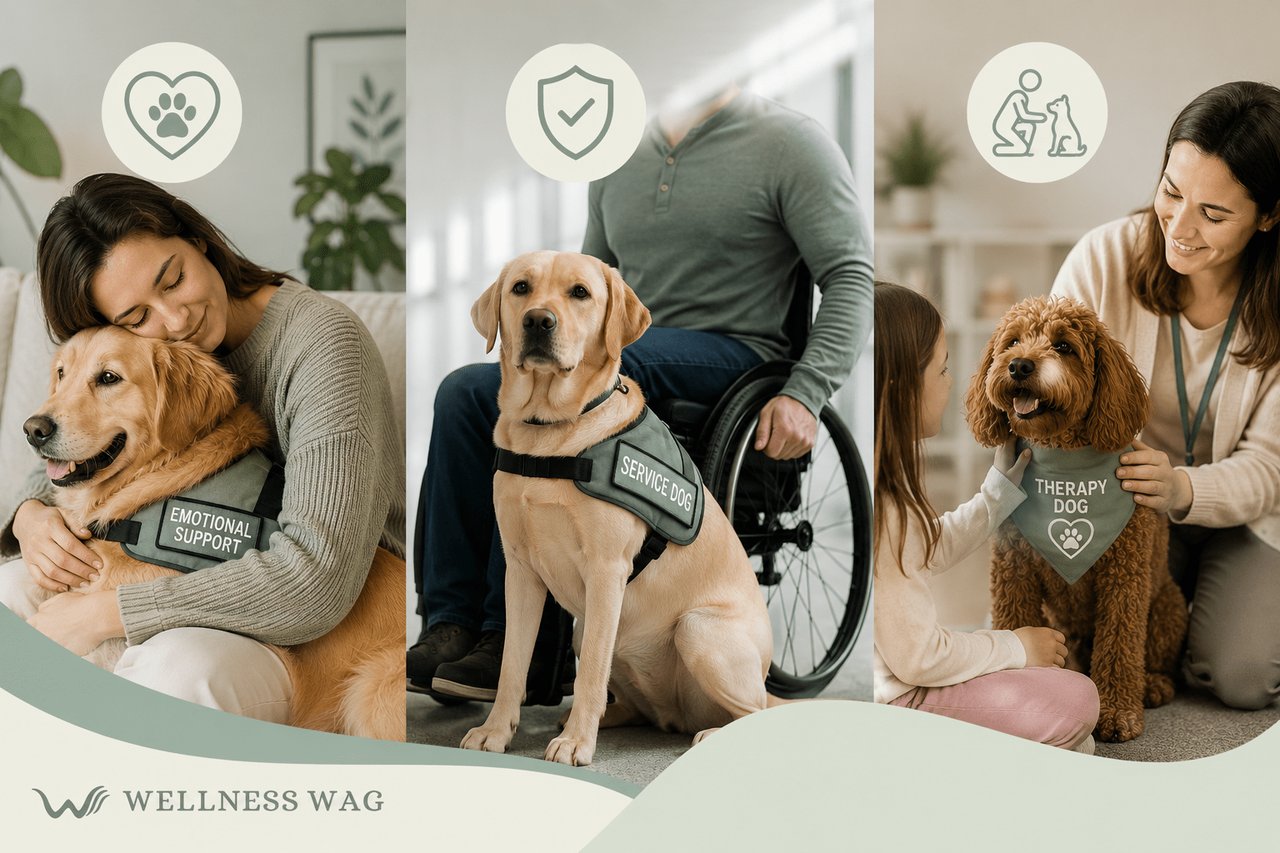
The ADA distinguishes between Service Animals and Emotional Support Animals. Service animals (dogs and in limited cases miniature horses) trained to perform specific tasks have public access rights. ESAs provide comfort through companionship but are not granted the same public access rights under the ADA. ESAs are not allowed in non-residential buildings under ADA guidelines but are accommodated in housing under the FHA.

Section 504 prohibits disability discrimination in federally funded educational institutions and requires universities to provide reasonable accommodations, including allowing ESAs in residential housing when necessary for equal access.

In addition to federal regulations, New York State Human Rights Law provides additional protections for individuals with disabilities requiring ESAs in housing, and New York state law requires all dogs to be vaccinated against rabies. Cornell University ensures that its ESA policy is in full compliance with relevant state and local regulations, providing a supportive and safe environment for all students.

Fair Housing Act (FHA)
The Fair Housing Act prohibits housing discrimination based on disability and requires reasonable accommodations for individuals with disabilities, including the right to keep an ESA even in buildings that otherwise prohibit pets. Universities must make exceptions to pet policies when an ESA is necessary for equal access to housing.
Americans with Disabilities Act (ADA)
The ADA distinguishes between Service Animals and Emotional Support Animals. Service animals (dogs and in limited cases miniature horses) trained to perform specific tasks have public access rights. ESAs provide comfort through companionship but are not granted the same public access rights under the ADA. ESAs are not allowed in non-residential buildings under ADA guidelines but are accommodated in housing under the FHA.
Section 504 of the Rehabilitation Act of 1973
Section 504 prohibits disability discrimination in federally funded educational institutions and requires universities to provide reasonable accommodations, including allowing ESAs in residential housing when necessary for equal access.
State and Local Laws
In addition to federal regulations, New York State Human Rights Law provides additional protections for individuals with disabilities requiring ESAs in housing, and New York state law requires all dogs to be vaccinated against rabies. Cornell University ensures that its ESA policy is in full compliance with relevant state and local regulations, providing a supportive and safe environment for all students.
Who Qualifies for an Emotional Support Animal
Assistance Animals (ESAs)
Students with disabilities may keep an ESA in their University housing if the animal alleviates one or more identified symptoms or effects of their disability. The relationship between the disability and the need for the ESA must be documented, and approval must be obtained from SDS.
Service Animals
Students with disabilities may have a Service Animal in their housing and other campus venues if the animal is trained to perform tasks directly related to the student’s disability. Service Animals do not require prior approval but students are encouraged to register with SDS.

Application Process for an ESA
Step 1: Register with SDS
Step 2: Submit Required Documentation
After receiving notification from SDS, submit the following:
- Request for Emotional Support Animal Form (completed by you)
- Specific, current, and comprehensive documentation from a qualified mental health care provider supporting the need for an ESA
Documentation must clearly demonstrate that the ESA will alleviate the symptoms of a disability.
Step 3: Review and Decision
Step 4: Notification and Housing Assignment
Step 5: ESA Agreement

Responsibilities of ESA Owners
- Comply with all University rules regarding noise, safety, disruption, and cleanliness. Ensure the ESA does not create persistent odor, noise, or disturbance.
- Keep the ESA Approval sign provided by SDS posted inside the door of the room where the ESA lives.
- Ensure the ESA is housebroken. Remove or arrange for removal of the ESA’s waste and dispose of all waste in a timely and appropriate manner.
- When the ESA leaves the room, restrain it on a leash not longer than six feet or transport it in an appropriate carrier. Leashed ESAs must wear a prominently displayed identification tag.
- Do not leave the ESA unattended for any unreasonable amount of time as determined by SDS in consultation with faculty from Cornell University Hospital for Animals.
- Keep the ESA up to date with appropriate immunizations and vaccinations. When applicable, the animal must wear a rabies vaccination tag.
- Comply with municipality, county, and state animal control and licensing laws.
- Provide proper care including food, grooming, and veterinary care at all times. Mistreatment or abuse may result in immediate removal and/or disciplinary action.
- Pay for any property damage or personal injuries caused by the ESA.
- Designate an emergency caregiver for the ESA. The ESA cannot stay overnight if the student is not present.
Conflicting Needs and Resolutions
Cornell University is committed to accommodating both ESA owners and other residents who may have conflicting needs or disability-related issues affected by the presence of an animal. Students living near the ESA will be informed of its presence to identify any concerns. If such circumstances arise, SDS and Housing will attempt to identify possible room changes for the student with the ESA or the affected students.
Important Considerations
- ESAs are approved to live in campus housing only. They may not be in other buildings on campus.
- Past approval does not guarantee subsequent approvals.
- If changing to a different ESA, students must submit a new Request for Emotional Support Animal Form with additional provider verification.
- Students must notify SDS in writing if they no longer need the ESA, are moving to a new on-campus space, or are no longer living in on-campus housing.
- Cornell may require removal of the ESA if it poses a direct threat to others, the student doesn’t comply with the ESA Agreement, or the animal creates an unmanageable disturbance.
- Pets are not permitted in campus buildings per Cornell’s Pets on Campus Policy.







 Ask ChatGPT
 Ask Claude
 Ask Perplexity