

Duke University supports students with disabilities by allowing service animals throughout campus and assistance animals (also called emotional support animals) in University housing as a reasonable accommodation. This policy, administered through the Student Disability Access Office and Duke Access and Accommodation Services, ensures that all students have equal access to educational opportunities and housing while maintaining campus safety and integrity.
Legal Framework
Duke University’s ESA policy complies with federal laws protecting individuals with disabilities and ensuring equal access to educational opportunities and housing.
The Fair Housing Act prohibits housing discrimination based on disability and requires reasonable accommodations for individuals who need them. Under the FHA, assistance animals (defined as animals that alleviate symptoms of a disability through emotional support or comfort) qualify as reasonable accommodations in housing, even where pets are typically prohibited. Unlike service animals, ESAs don’t require specialized training and aren’t limited to specific species.

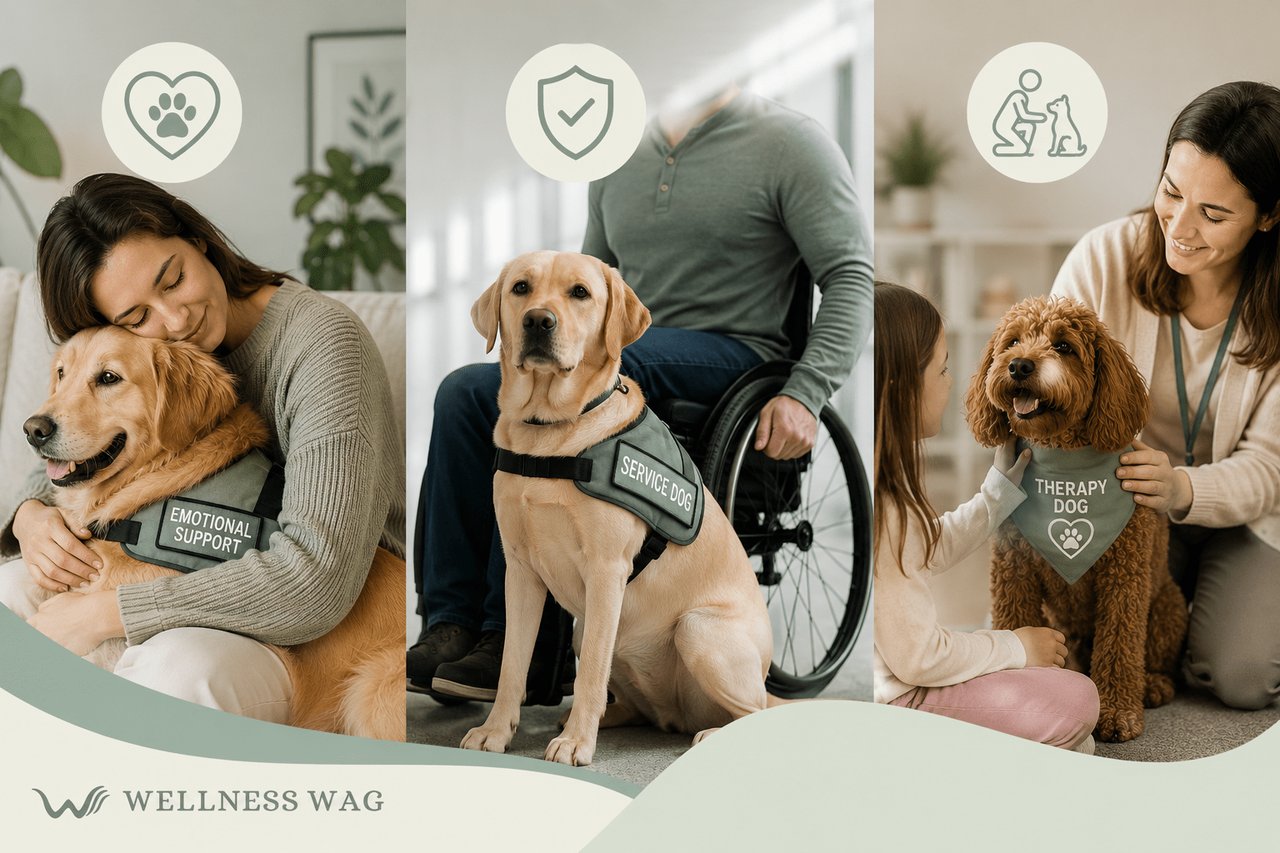
The ADA distinguishes between service animals and emotional support animals. Service animals (dogs and miniature horses) trained to perform disability-related tasks receive full public access rights across campus. ESAs, however, provide therapeutic benefits through companionship rather than trained tasks, and therefore don’t have access to non-residential spaces like classrooms or dining halls. While the FHA governs ESAs in housing, the ADA sets the standard for service animals in public areas.

Section 504 prohibits disability-based discrimination in federally funded educational programs and requires universities to provide reasonable accommodations. This includes allowing ESAs in residential settings when medically necessary, ensuring students with disabilities have equal access to housing and the full college experience.

North Carolina state laws and Durham local ordinances may provide additional protections for individuals with disabilities. Duke ensures its ESA policy meets or exceeds all applicable federal, state, and local requirements, creating a comprehensive support framework for students with disabilities.

Fair Housing Act (FHA)
The Fair Housing Act prohibits housing discrimination based on disability and requires reasonable accommodations for individuals who need them. Under the FHA, assistance animals (defined as animals that alleviate symptoms of a disability through emotional support or comfort) qualify as reasonable accommodations in housing, even where pets are typically prohibited. Unlike service animals, ESAs don’t require specialized training and aren’t limited to specific species.
Americans with Disabilities Act (ADA)
The ADA distinguishes between service animals and emotional support animals. Service animals (dogs and miniature horses) trained to perform disability-related tasks receive full public access rights across campus. ESAs, however, provide therapeutic benefits through companionship rather than trained tasks, and therefore don’t have access to non-residential spaces like classrooms or dining halls. While the FHA governs ESAs in housing, the ADA sets the standard for service animals in public areas.
Section 504 of the Rehabilitation Act of 1973
Section 504 prohibits disability-based discrimination in federally funded educational programs and requires universities to provide reasonable accommodations. This includes allowing ESAs in residential settings when medically necessary, ensuring students with disabilities have equal access to housing and the full college experience.
State and Local Laws
North Carolina state laws and Durham local ordinances may provide additional protections for individuals with disabilities. Duke ensures its ESA policy meets or exceeds all applicable federal, state, and local requirements, creating a comprehensive support framework for students with disabilities.
Who Qualifies for an Emotional Support Animal
Assistance Animals (ESAs)
Students with documented disabilities may keep an ESA in their Duke University housing if the animal alleviates symptoms of their disability and is medically necessary for equal access to housing. Documentation from a healthcare provider who has an established relationship with the student is required, and approval must be obtained from the Student Disability Access Office before bringing the animal to campus.
Service Animals
Students may keep a Service Animal throughout campus, including dormitories and academic buildings, if the animal is trained to perform specific disability-related tasks. Service Animals are welcome in all living and learning environments at Duke and must be under the handler’s control at all times. Students should inform the Student Disability Access Office about their service animal.

Application Process for an ESA
Step 1: Documentation
Contact the Student Disability Access Office to submit a Request for Accommodation through the Accommodate portal. You must provide supporting medical documentation from your healthcare provider that includes:
- Current diagnosis and how your disability affects your daily functioning and use of housing
- Evidence of how the ESA alleviates your disability symptoms and why it’s necessary
- Verification of an existing relationship with a healthcare provider (cannot be a family member)
- Confirmation you can manage full-time animal care without worsening your condition
Step 2: Review and Evaluation
Step 3: Approval and Registration
Responsibilities of ESA Owners
- Students are responsible for their ESA’s complete care and supervision, including feeding, waste removal, and ensuring the animal doesn’t disrupt dormitory activities or cause difficulties for others
- ESAs must comply with Durham and North Carolina licensing, registration, and vaccination requirements
- An emergency contact must be designated to care for the ESA if the student becomes unable to do so
- ESAs are restricted to University housing and are not permitted in other campus buildings unless authorized by the space manager. Transport animals appropriately when moving through shared spaces
- Students are financially responsible for any damage caused by their ESA, including property repairs, deep cleaning, or pest control. If an animal enters a residence hall, the area will be exterminated at the expense of the residents
- ESAs must be housebroken and under control of the handler at all times
- Duke strongly recommends maintaining liability insurance
Conflicting Needs and Resolutions
Duke accommodates both ESA owners and students with conflicting needs such as severe allergies or health conditions affected by animals. Students with documented medical concerns about animal exposure should register with the Student Disability Access Office to discuss accommodations. The university works collaboratively to balance the needs of all students through individualized solutions.
Important Considerations
- ESAs are restricted to University housing areas and not permitted in other campus buildings unless authorized by the space manager
- With the exception of service animals, animals are prohibited inside any university facility unless authorized
- Legal species of fish are allowed, provided they are kept in a single aquarium no larger than 25 gallons and the container is cleaned regularly
- Any animal brought on campus by students or guests may not be unrestrained







 Ask ChatGPT
 Ask Claude
 Ask Perplexity