

Emory University is committed to supporting students with disabilities by allowing emotional support animals (ESAs) in University housing as a reasonable accommodation. This policy outlines the criteria for qualifying for an ESA, the application process, and the responsibilities of students who are approved to have an ESA in their residence hall. The policy ensures that all students have an equal opportunity to enjoy University housing while maintaining the integrity and safety of the campus environment.
Legal Framework
Emory University’s Emotional Support Animal (ESA) policy is shaped by federal laws and regulations designed to protect individuals with disabilities, ensuring they have equal access to educational opportunities and housing accommodations. The key legal frameworks influencing this policy include:
The Fair Housing Act (FHA) is a federal law that prohibits discrimination in housing based on race, color, religion, sex, familial status, national origin, or disability. Under the FHA, individuals with disabilities are entitled to reasonable accommodations in housing, which may include the right to keep an ESA, even in buildings or residences that otherwise prohibit pets. The FHA requires that universities, like other housing providers, make exceptions to pet policies when an ESA is necessary for the individual with a disability to have an equal opportunity to use and enjoy their dwelling.

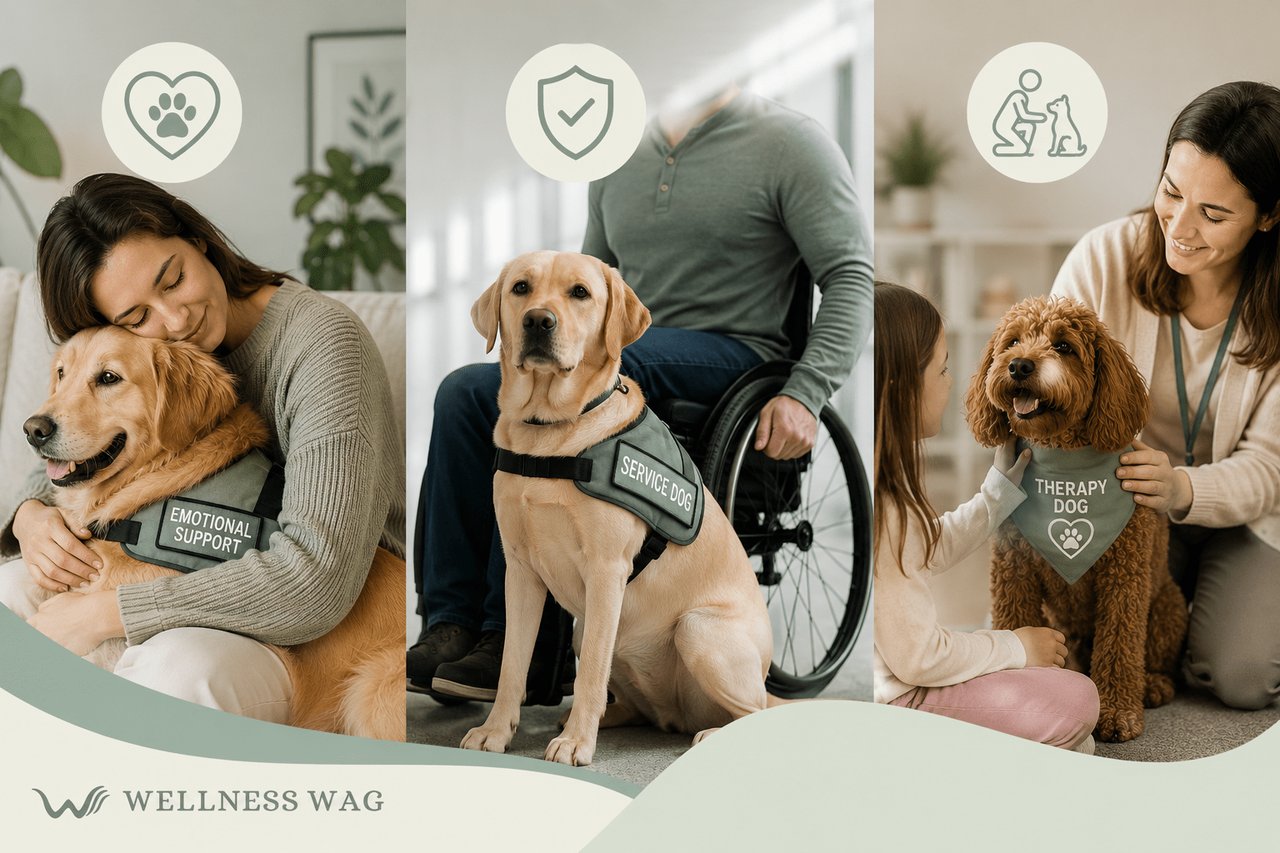
While the Americans with Disabilities Act (ADA) primarily governs public spaces and services, it is crucial to understand its distinction between Service Animals and Emotional Support Animals. The ADA recognizes Service Animals, particularly dogs, that are trained to perform specific tasks for individuals with disabilities. However, ESAs, which provide comfort through companionship, are not granted the same public access rights under the ADA. As such, ESAs are not allowed in Emory’s non-residential buildings (e.g., classrooms, dining halls, libraries) under ADA guidelines but are accommodated in housing under the FHA guidelines.

Section 504 is a federal law that prohibits discrimination based on disability in programs and activities, including those offered by federally funded educational institutions like Emory University. Under Section 504, the university must provide reasonable accommodations, including allowing ESAs in residential housing when necessary to ensure that students with disabilities have equal access to university programs and activities.

In addition to federal regulations, Georgia state laws and local ordinances may also influence ESA policies at Emory University. These laws may offer additional protections for individuals with disabilities and could include specific provisions related to housing, service animals, and ESAs. Emory University ensures that its ESA policy is in full compliance with relevant state and local regulations, providing a supportive environment for all students.

Fair Housing Act (FHA)
The Fair Housing Act (FHA) is a federal law that prohibits discrimination in housing based on race, color, religion, sex, familial status, national origin, or disability. Under the FHA, individuals with disabilities are entitled to reasonable accommodations in housing, which may include the right to keep an ESA, even in buildings or residences that otherwise prohibit pets. The FHA requires that universities, like other housing providers, make exceptions to pet policies when an ESA is necessary for the individual with a disability to have an equal opportunity to use and enjoy their dwelling.
Americans with Disabilities Act (ADA)
While the Americans with Disabilities Act (ADA) primarily governs public spaces and services, it is crucial to understand its distinction between Service Animals and Emotional Support Animals. The ADA recognizes Service Animals, particularly dogs, that are trained to perform specific tasks for individuals with disabilities. However, ESAs, which provide comfort through companionship, are not granted the same public access rights under the ADA. As such, ESAs are not allowed in Emory’s non-residential buildings (e.g., classrooms, dining halls, libraries) under ADA guidelines but are accommodated in housing under the FHA guidelines.
Section 504 of the Rehabilitation Act of 1973
Section 504 is a federal law that prohibits discrimination based on disability in programs and activities, including those offered by federally funded educational institutions like Emory University. Under Section 504, the university must provide reasonable accommodations, including allowing ESAs in residential housing when necessary to ensure that students with disabilities have equal access to university programs and activities.
State and Local Laws
In addition to federal regulations, Georgia state laws and local ordinances may also influence ESA policies at Emory University. These laws may offer additional protections for individuals with disabilities and could include specific provisions related to housing, service animals, and ESAs. Emory University ensures that its ESA policy is in full compliance with relevant state and local regulations, providing a supportive environment for all students.
Who Qualifies for an Emotional Support Animal
Assistance Animals (ESAs)
Students with disabilities may keep an ESA in their University housing if the animal is necessary to afford them an equal opportunity to use and enjoy campus housing. An ESA is defined as an animal that provides emotional or other support/assistance that alleviates one or more symptoms or effects of a person’s disability. The relationship between the disability and the need for the ESA must be documented, and approval must be obtained from the Department of Accessibility Services (DAS).
Service Animals
Students with disabilities may keep a Service Animal in their residence hall as well as other venues on campus if the animal is individually trained to do work or perform tasks directly related to the student’s disability such as guiding people who are blind, alerting people who are deaf, or reminding people with psychiatric conditions to take medications. Service Animals have broader campus access rights under the ADA compared to ESAs.

Application Process for an ESA
Step 1: Submit Request to Department of Accessibility Services (DAS)
Step 2: Provide Required Documentation
The documentation must provide sufficient information for Emory to determine:
- That the individual qualifies as a person with a disability.
- That the Emotional Support Animal may be necessary to grant the person with a disability an equal opportunity to enjoy Emory’s residential community.
- That the animal would provide emotional support that alleviates one or more symptoms of the disability.
Step 3: Complete Registration and Approval
Responsibilities of ESA Owners
- The student is responsible for keeping the animal under direct physical control at all times by means of an appropriate leash or other lead. The animal must wear visible identification (collar, cape, harness, backpack) indicating it is an emotional support animal.
- Students must ensure their ESA is in good health, clean, well-groomed, odor-free, and free of external parasites (fleas, ticks, lice). Verification from a qualified veterinarian that all vaccinations are current must be provided.
- ESAs must be housebroken, and handlers must routinely remove and properly dispose of any waste from the animal. Students are responsible for immediately cleaning up any accidents.
- The animal must not disturb neighboring rooms at any time, particularly regarding noise. All roommates in the assigned living space must agree to the presence of the animal.
- Students are personally responsible for any and all damages caused by the ESA to the residence, costs of additional cleaning or repairs to campus facilities, and any liability to third parties. The student agrees to indemnify and hold harmless Emory University.
- Dogs must be licensed in accordance with local, county, and state laws. Animals in estrus (heat) cannot be on campus.
- An emergency contact who can care for the ESA if the student is unavailable should be designated. Students must carry and produce their Emory owner identification card while in any campus facility.
- Students are responsible for removing an animal that is unruly or disruptive (biting, excessive barking, jumping on people). Handlers must not transfer control of the animal to another person while in Emory facilities.
Conflicting Needs and Resolutions
Emory University is committed to accommodating both ESA owners and other residents who may have conflicting needs, such as allergies or phobias. Individuals with medical conditions that may be affected by the presence of an ESA should contact the Department of Accessibility Services to discuss possible accommodations. The university will work to find a balanced solution that meets the needs of all parties involved, which may include alternative housing arrangements.
Important Considerations
- Approved ESAs include common household pets: dogs, cats, small birds, rabbits, hamsters, gerbils, other small rodents, fish, and turtles. Reptiles (other than turtles), barnyard animals, monkeys, kangaroos, and non-domesticated animals are not permitted as ESAs.
- With the exception of cats or dogs, all animals must remain in the proper type of cage, terrarium, or aquarium.
- If a student obtains a new or different emotional support animal, a new request must be made to DAS. Any deviation from approved accommodation without DAS permission may result in charges under Emory’s Code of Conduct.







 Ask ChatGPT
 Ask Claude
 Ask Perplexity