

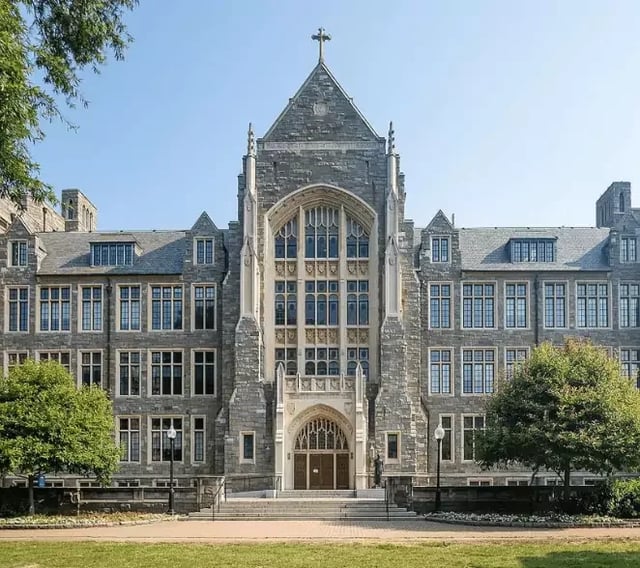
Georgetown University is committed to making appropriate adjustments that afford all students access to University facilities under the Americans with Disabilities Act (ADA), Section 504 of the Rehabilitation Act, and the Fair Housing Act. Students with disabilities may request emotional support animals (ESAs) in University housing as a reasonable accommodation. This policy outlines the criteria for qualifying for an ESA, the application process, and the responsibilities of students who are approved to have an ESA in their residence.
Legal Framework
Georgetown University’s Emotional Support Animal (ESA) policy is shaped by federal laws and regulations designed to protect individuals with disabilities, ensuring they have equal access to educational opportunities and housing accommodations. The key legal frameworks influencing this policy include:
The Fair Housing Act (FHA) is a federal law that prohibits discrimination in housing based on race, color, religion, sex, familial status, national origin, or disability. Under the FHA, individuals with disabilities are entitled to reasonable accommodations in housing, which may include the right to keep an ESA, even in buildings or residences that otherwise prohibit pets. Housing providers must evaluate requests for assistance animals and provide accommodations when the person has a disability and a disability-related need for the animal.

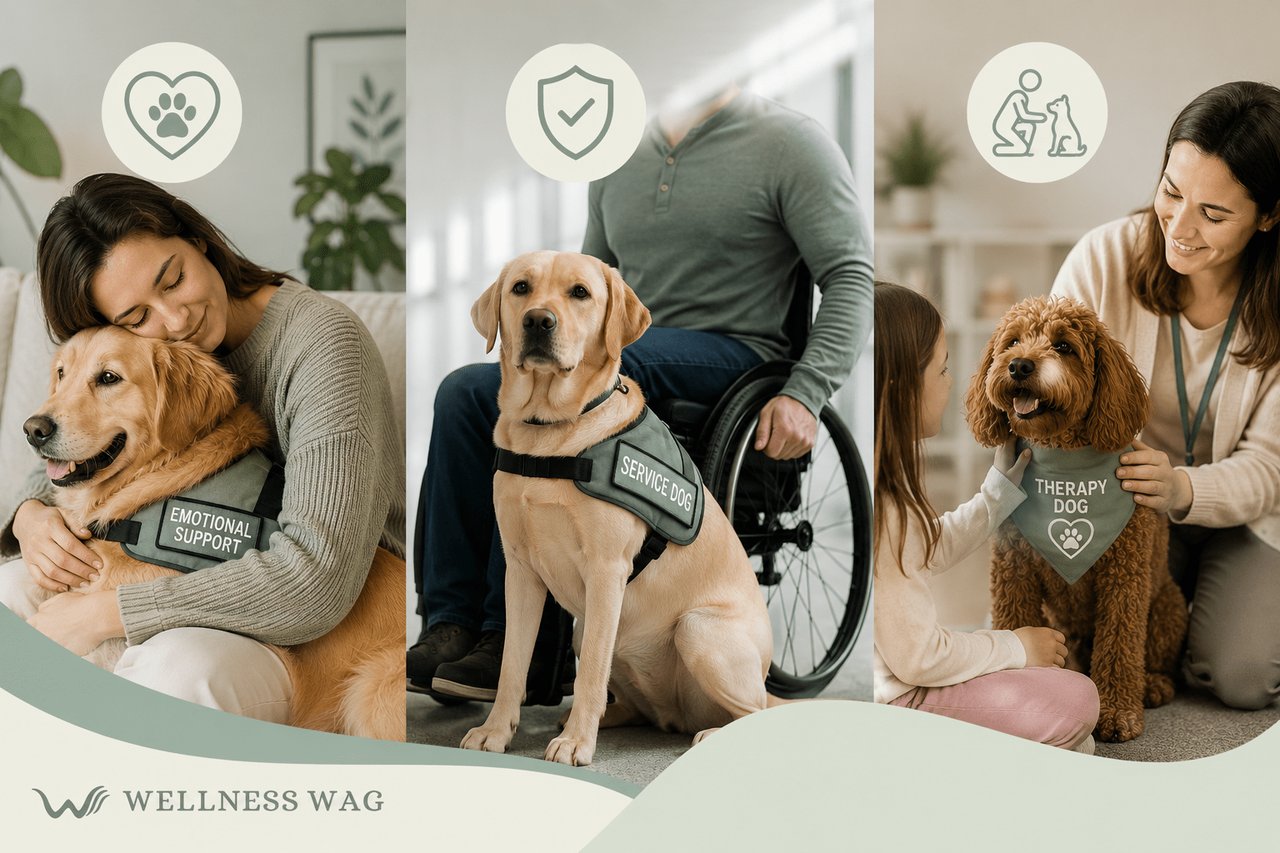
While the Americans with Disabilities Act (ADA) primarily governs public spaces and services, it is crucial to understand its distinction between Service Animals and Emotional Support Animals. The ADA defines a service animal as any dog that is individually trained to do work or perform tasks for the benefit of an individual with a disability. ESAs, which provide emotional support that alleviates one or more symptoms or effects of a person’s disability, are not granted the same public access rights under the ADA. As such, ESAs are not allowed in Georgetown’s non-residential buildings (e.g., classrooms, dining halls) under ADA guidelines but are accommodated in housing under the FHA.

Section 504 is a federal law that prohibits discrimination based on disability in programs and activities, including those offered by federally funded educational institutions like Georgetown University. Under Section 504, the university must provide reasonable accommodations, including allowing ESAs in residential housing when necessary to ensure that students with disabilities have equal access to university programs and activities.

In addition to federal regulations, Washington DC has specific laws that provide additional protections for individuals with disabilities and their emotional support animals. The DC Human Rights Act of 1977 provides protections similar to the Fair Housing Act for DC residents with disabilities, prohibiting housing discrimination based on disability. The DC Office of Human Rights enforces these protections and handles discrimination complaints related to assistance animals in housing. Moreover, the DC Office of Disability Rights (ODR) also provides assistance to students with understanding their rights under both federal and DC laws regarding emotional support animals. Georgetown University ensures that its ESA policy is in full compliance with all relevant DC and local regulations, providing a supportive environment for all students while meeting local legal requirements.

Fair Housing Act (FHA)
The Fair Housing Act (FHA) is a federal law that prohibits discrimination in housing based on race, color, religion, sex, familial status, national origin, or disability. Under the FHA, individuals with disabilities are entitled to reasonable accommodations in housing, which may include the right to keep an ESA, even in buildings or residences that otherwise prohibit pets. Housing providers must evaluate requests for assistance animals and provide accommodations when the person has a disability and a disability-related need for the animal.
Americans with Disabilities Act (ADA)
While the Americans with Disabilities Act (ADA) primarily governs public spaces and services, it is crucial to understand its distinction between Service Animals and Emotional Support Animals. The ADA defines a service animal as any dog that is individually trained to do work or perform tasks for the benefit of an individual with a disability. ESAs, which provide emotional support that alleviates one or more symptoms or effects of a person’s disability, are not granted the same public access rights under the ADA. As such, ESAs are not allowed in Georgetown’s non-residential buildings (e.g., classrooms, dining halls) under ADA guidelines but are accommodated in housing under the FHA.
Section 504 of the Rehabilitation Act of 1973
Section 504 is a federal law that prohibits discrimination based on disability in programs and activities, including those offered by federally funded educational institutions like Georgetown University. Under Section 504, the university must provide reasonable accommodations, including allowing ESAs in residential housing when necessary to ensure that students with disabilities have equal access to university programs and activities.
State and Local Laws
In addition to federal regulations, Washington DC has specific laws that provide additional protections for individuals with disabilities and their emotional support animals. The DC Human Rights Act of 1977 provides protections similar to the Fair Housing Act for DC residents with disabilities, prohibiting housing discrimination based on disability. The DC Office of Human Rights enforces these protections and handles discrimination complaints related to assistance animals in housing. Moreover, the DC Office of Disability Rights (ODR) also provides assistance to students with understanding their rights under both federal and DC laws regarding emotional support animals. Georgetown University ensures that its ESA policy is in full compliance with all relevant DC and local regulations, providing a supportive environment for all students while meeting local legal requirements.
Who Qualifies for an Emotional Support Animal
Assistance Animals (ESAs)
Students with disabilities may keep an ESA in their University housing if the animal is necessary to afford them an equal opportunity to use and enjoy campus housing. ESAs are working animals that provide emotional support that alleviates one or more identified symptoms or effects of a person’s disability. The relationship between the disability and the need for the ESA must be documented, and approval must be obtained from the Academic Resource Center (ARC).
Service Animals
Students with disabilities may keep a Service Animal if the animal is individually trained to do work or perform tasks directly related to the student’s disability such as guiding blind people, alerting people who are deaf, or reminding people with psychiatric conditions to take medications. Service Animals have broader campus access rights under the ADA compared to ESAs and can accompany their handlers to classrooms, dining halls, and other campus facilities.

Application Process for an ESA
Step 1: Contact the Academic Resource Center (ARC)
Step 2: Submit Required Documentation
Students must complete the ARC accommodation request form and provide supporting documentation from a licensed healthcare provider that meets University documentation guidelines.
The healthcare provider documentation must include:
- Verification that the student has a disability (physical or mental impairment that substantially limits one or more major life activities)
- A statement explaining the disability-related need for the emotional support animal
- Confirmation that the animal provides emotional support that alleviates one or more symptoms or effects of the student’s disability
Step 3: Review and Evaluation
Step 4: Approval and Notification

Responsibilities of ESA Owners
- Students are responsible for providing all required DC documentation, including current vaccinations and licenses for their emotional support animal. All dogs in Washington DC must be licensed under DC Code §8-1804.
- Students must sign and comply with Georgetown’s emotional support animal agreement guidelines, which outline specific care, behavioral, and liability requirements.
- Students are fully responsible for the care, supervision, and behavior of their ESA in residential housing.
- ESAs must not disturb other residents or interfere with the routine activities of the residence hall.
- Students are responsible for any damage caused by their ESA and may be held liable for costs associated with repairs or cleaning.
- Students must ensure their ESA meets health and hygiene standards appropriate for campus housing.
Conflicting Needs and Resolutions
Georgetown University is committed to accommodating both ESA owners and other residents who may have conflicting needs, such as allergies or phobias. Individuals with medical conditions that may be affected by the presence of an ESA should contact the Academic Resource Center to discuss possible accommodations. The university will work to find a balanced solution that meets the needs of all parties involved, which may include alternative housing arrangements.
Important Considerations
- Students seeking the same accommodation they received in the past do not need to submit additional documentation but still need to submit a new request each year.
- While requests for housing accommodations are accepted after the January 15 early action deadline, housing options may be limited, and the requested accommodation may not be immediately available. These requests are reviewed on a rolling basis.
- Students seeking housing accommodations are encouraged to participate in the general housing selection process until their accommodation request is processed.







 Ask ChatGPT
 Ask Claude
 Ask Perplexity