


The University of Notre Dame supports the inclusion of students with disabilities in its on-campus residential facilities and programs. The university recognizes the importance of providing reasonable accommodations in its residential life policies and practices where necessary for students with disabilities to use and enjoy the residence halls. The Sara Bea Accessibility Services Office leads the Housing Accommodations Committee in evaluating all ESA requests to ensure compliance with federal laws while maintaining the distinctive residential life experience central to Notre Dame’s educational mission.
Legal Framework
The University of Notre Dame’s housing accommodation policy, which includes Emotional Support Animals, is shaped by federal laws designed to protect individuals with disabilities. The key legal frameworks include:
The Fair Housing Act prohibits discrimination in housing based on disability and requires universities to make reasonable accommodations for individuals with disabilities. Under the FHA, students with disabilities may be permitted to have ESAs in university housing even where pets are otherwise prohibited, provided the accommodation is reasonable and necessary.

The university complies with the ADA by recognizing the distinction between Service Animals and Emotional Support Animals. Notre Dame permits Service Animals (dogs and miniature horses individually trained to perform specific tasks) to accompany students throughout all areas of campus including academic buildings and dining facilities. ESAs, which provide therapeutic emotional support, are accommodated in housing under the Fair Housing Act but are not granted campus-wide access under ADA guidelines.

Section 504 prohibits discrimination based on disability in programs and activities offered by federally funded educational institutions. Under Section 504, Notre Dame provides reasonable accommodations to ensure students with disabilities have equal access to university programs, including housing accommodations when necessary.

Indiana state laws and local South Bend ordinances also govern animal policies. Students are responsible for ensuring compliance with all applicable city, county, and state ordinances regarding licensing, vaccination, and other requirements for animals. The university ensures full compliance with all relevant state and local regulations to support students with disabilities.

Fair Housing Act (FHA)
The Fair Housing Act prohibits discrimination in housing based on disability and requires universities to make reasonable accommodations for individuals with disabilities. Under the FHA, students with disabilities may be permitted to have ESAs in university housing even where pets are otherwise prohibited, provided the accommodation is reasonable and necessary.
Americans with Disabilities Act (ADA)
The university complies with the ADA by recognizing the distinction between Service Animals and Emotional Support Animals. Notre Dame permits Service Animals (dogs and miniature horses individually trained to perform specific tasks) to accompany students throughout all areas of campus including academic buildings and dining facilities. ESAs, which provide therapeutic emotional support, are accommodated in housing under the Fair Housing Act but are not granted campus-wide access under ADA guidelines.
Section 504 of the Rehabilitation Act of 1973
Section 504 prohibits discrimination based on disability in programs and activities offered by federally funded educational institutions. Under Section 504, Notre Dame provides reasonable accommodations to ensure students with disabilities have equal access to university programs, including housing accommodations when necessary.
State and Local Laws
Indiana state laws and local South Bend ordinances also govern animal policies. Students are responsible for ensuring compliance with all applicable city, county, and state ordinances regarding licensing, vaccination, and other requirements for animals. The university ensures full compliance with all relevant state and local regulations to support students with disabilities.
Who Qualifies for an Emotional Support Animal
Assistance Animals (ESAs)
Students with documented disabilities may request an ESA in university housing if the animal is necessary to provide the student an equal opportunity to use and enjoy university housing. The Committee evaluates whether there is an identifiable relationship between the disability and the support the ESA provides. Approval must be obtained from the Housing Accommodations Committee before bringing the animal to campus.
Service Animals
Students with disabilities may use Service Animals throughout campus if the animal is a dog individually trained to do work or perform tasks directly related to the student’s disability. Service Animals may accompany students in all areas of campus including academic buildings, dining facilities, and residence halls.

Application Process for an ESA
Step 1: Submit Request Through AccessND
Step 2: Complete Student Narrative Form
Step 3: Obtain Supporting Documentation
Students must provide a Supporting Documentation Request Form completed by a qualified treating health professional. A qualified treating health professional is someone who has treated the student for the disability and can verify that:
- The student has a disability
- The requested accommodation is necessary to provide the student an equal opportunity to use and enjoy university housing
- There is an identifiable relationship between the disability and the support provided by the ESA
Family members are not considered qualified treating health professionals. The university may obtain a second professional opinion at its own expense if deemed appropriate.
Step 4: Committee Review
Step 5: Decision and Notification
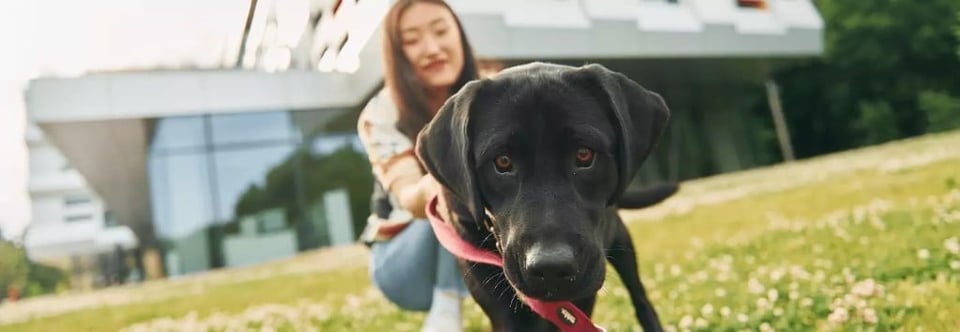
Responsibilities of ESA Owners
- Students must fully cooperate with university personnel regarding care of the animal including cleaning, feeding, outdoor relief areas, and waste disposal.
- Animals must be well-behaved, under control at all times, and not pose threats to health or safety of others or cause substantial property damage.
- Students must comply with all city, county, and state ordinances regarding licensing, vaccination, and other animal requirements.
- Animals must not unduly interfere with routine residence activities or cause difficulties for other residents.
- Students must provide emergency contact information for someone who can care for the animal if unavailable.
- Students must notify Accessibility Services if the animal is no longer needed. To replace an animal, a new request must be submitted.
- Students are financially responsible for any damage caused by the animal beyond reasonable wear and tear.
Conflicting Needs and Resolutions
The Housing Accommodations Committee will work to find balanced solutions that meet the needs of all parties when ESA accommodations create conflicts with other students who have allergies or other conditions. This may include alternative housing arrangements or other reasonable modifications.
Important Considerations
- First-year students are required to live with randomly assigned roommates and will not be assigned to single rooms.
- Single rooms are limited and typically reserved for seniors. ESA accommodations requiring singles are evaluated based on necessity and availability.
- Mid-year accommodation requests cannot be guaranteed during the semester in which they are received.
- Accommodations may be denied if they fundamentally alter university programs, impose undue burden, or pose direct threats to health and safety.
- Students may not request accommodations from anyone other than Accessibility Services staff.
- Requests received after posted deadlines will be considered but cannot be guaranteed.








 Ask ChatGPT
 Ask Claude
 Ask Perplexity