

Northwestern University supports students with disabilities by allowing service animals throughout campus and assistance animals (also called emotional support animals or ESAs) in University housing as a reasonable accommodation. This policy, managed through AccessibleNU and the Room & Board Accommodation Committee, ensures students with disabilities have equal access to housing while maintaining campus safety.
Legal Framework
Northwestern University’s ESA policy follows federal, state, and local laws protecting individuals with disabilities. The key legal frameworks influencing this policy include:
The Fair Housing Act prohibits housing discrimination based on disability and requires reasonable accommodations for individuals who need them. Under the FHA, assistance animals that provide emotional support qualify as reasonable accommodations in housing, even where pets are typically prohibited.

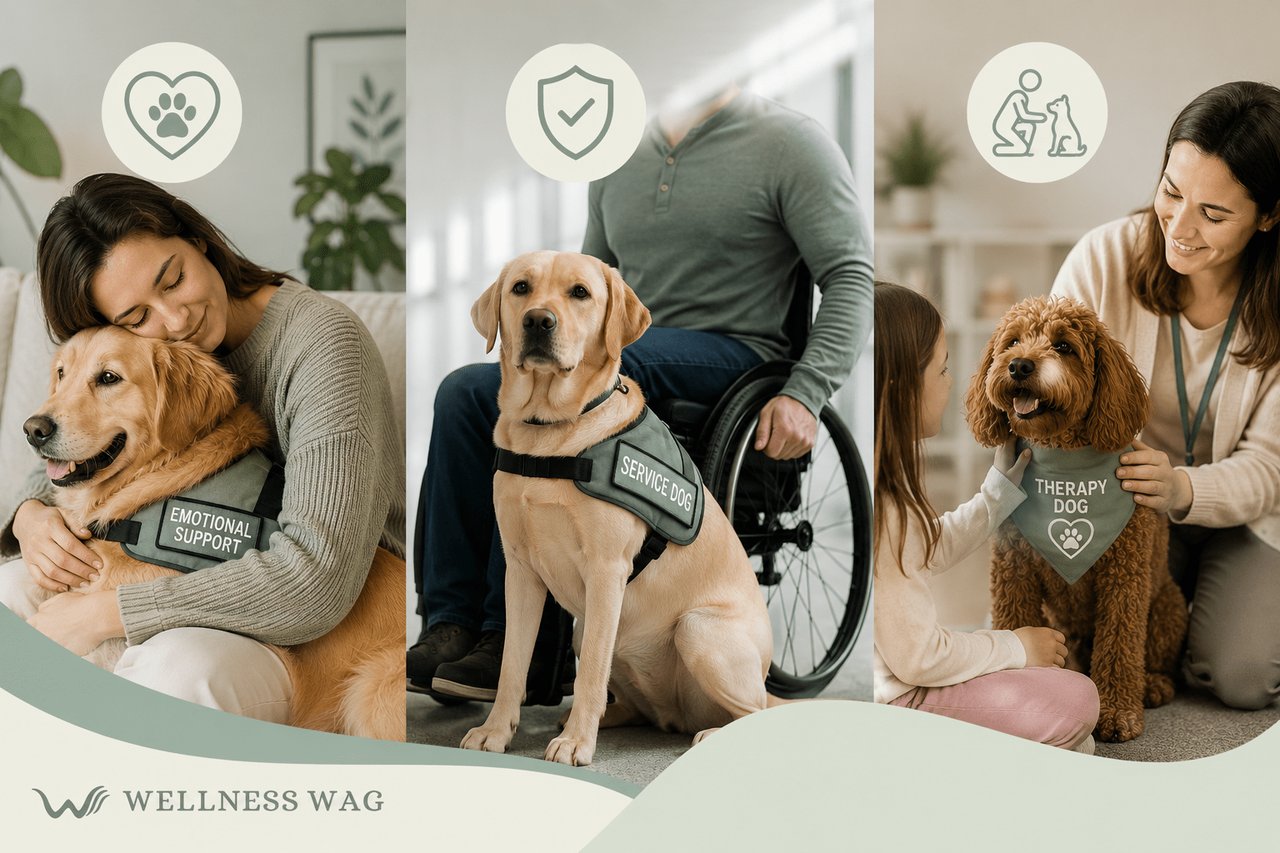
The ADA distinguishes between service animals and assistance animals. Service animals (dogs and miniature horses) trained to perform disability-related tasks receive full public access rights across campus. ESAs provide therapeutic benefits through companionship but don’t have access to non-residential spaces like classrooms or dining halls.

Section 504 prohibits disability discrimination in federally funded programs and requires universities to provide reasonable accommodations. This includes allowing ESAs in residential settings when medically necessary for equal access to housing.

Illinois state laws and City of Evanston and City of Chicago ordinances may provide additional protections for individuals with disabilities. Northwestern ensures its ESA policy meets or exceeds all applicable federal, state, and local requirements, creating a comprehensive support framework for students with disabilities.

Fair Housing Act (FHA)
The Fair Housing Act prohibits housing discrimination based on disability and requires reasonable accommodations for individuals who need them. Under the FHA, assistance animals that provide emotional support qualify as reasonable accommodations in housing, even where pets are typically prohibited.
Americans with Disabilities Act (ADA)
The ADA distinguishes between service animals and assistance animals. Service animals (dogs and miniature horses) trained to perform disability-related tasks receive full public access rights across campus. ESAs provide therapeutic benefits through companionship but don’t have access to non-residential spaces like classrooms or dining halls.
Section 504 of the Rehabilitation Act of 1973
Section 504 prohibits disability discrimination in federally funded programs and requires universities to provide reasonable accommodations. This includes allowing ESAs in residential settings when medically necessary for equal access to housing.
State and Local Laws
Illinois state laws and City of Evanston and City of Chicago ordinances may provide additional protections for individuals with disabilities. Northwestern ensures its ESA policy meets or exceeds all applicable federal, state, and local requirements, creating a comprehensive support framework for students with disabilities.
Who Qualifies for an Emotional Support Animal
Assistance Animals (ESAs)
Students with documented disabilities may keep an ESA in their residence hall room if the animal provides emotional support that helps with their disability. You need approval from AccessibleNU before bringing the animal to campus. ESAs are only allowed in your assigned room and the hallways you use to enter and exit your room.
Service Animals
Service animals are dogs trained to do specific work or tasks for people with disabilities. Examples include guiding people who are blind, alerting people who are deaf, or calming a person with PTSD. Service animals can go anywhere on campus that’s open to students, except a few restricted areas. You’re encouraged to register your service animal with AccessibleNU.

Application Process for an ESA
Step 1: Submit Request and Documentation
Contact Residential Services and follow the guidelines set forth in the University’s Housing and Meal Plan Accommodation Request Form. Requests for housing accommodations should follow the deadlines and other procedures specified on the Residential Services website. Submit your request to AccessibleNU, which includes:
- Completed Housing and Meal Plan Accommodation Request Form
- Documentation of disability following AccessibleNU guidelines
- Documentation of the need for an assistance animal as a reasonable accommodation
Step 2: Review and Approval
Step 3: Meeting and Acknowledgement

Responsibilities of ESA Owners
- Keep your animal from disturbing residence activities or bothering other students
- Maintain control of your animal at all times
- Clean up after your animal. Keep litter boxes clean and on a mat
- Pay for any damage your animal causes, including furniture, carpet, and repairs
- Notify Residential Services if you no longer have the animal
- Your room may be inspected quarterly for pests. You’ll pay for any pest treatment needed
- Don’t leave your animal overnight for another student to watch. Take it with you or have someone remove it from campus
- Keep current vaccinations, including rabies for dogs
- Get an annual health check from a veterinarian
- Keep your animal on a leash when appropriate
Conflicting Needs and Resolutions
Students with medical conditions affected by animals (like severe allergies or asthma) should contact AccessibleNU. Northwestern will work to accommodate both you and students with conflicting medical needs. If roommates object to your ESA, either you and your animal or the objecting roommates may be moved to a different location.
Important Considerations
- Approval for an ESA in your room doesn’t mean you can bring it to other campus areas
- All roommates and suitemates must sign an acknowledgement form
- To replace an ESA, you must file a new accommodation request
- Pets are not allowed in any campus buildings







 Ask ChatGPT
 Ask Claude
 Ask Perplexity