
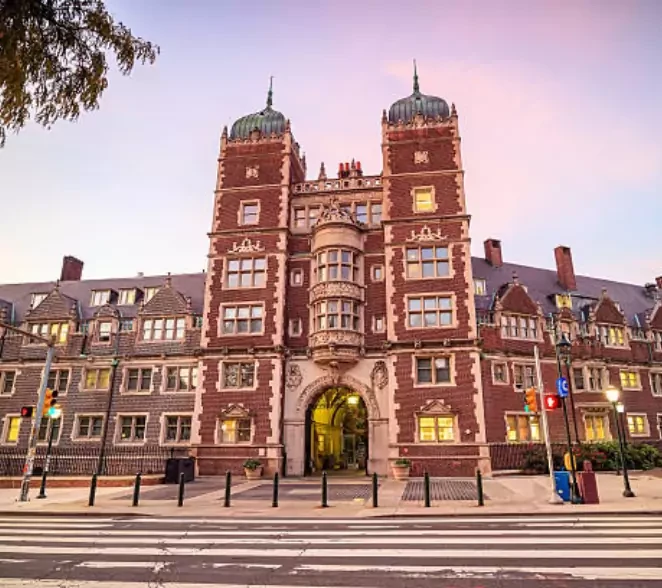
The University of Pennsylvania recognizes that Service Animals and Emotional Support Animals (Assistance Animals) provide individuals with disabilities enhanced autonomy and independence. UPenn has established comprehensive guidelines to assist people with disabilities while maintaining the health, safety, and educational integrity of the campus community. Students seeking to bring animals to campus must work with Student Disability Services to ensure proper approval and compliance with all University and state requirements.
Legal Framework
UPenn’s Emotional Support Animal (ESA) policy is shaped by federal laws and regulations designed to protect individuals with disabilities, ensuring they have equal access to educational opportunities and housing accommodations. The key legal frameworks influencing this policy include:
The FHA operates independently from the ADA and requires housing providers to grant reasonable accommodations for assistance animals when necessary for individuals with disabilities to have equal opportunity to use and enjoy housing. Unlike the ADA, the FHA does not require animals to be trained or limited to specific species. UPenn’s assistance animal approval process follows FHA standards by conducting individualized assessments that evaluate both the person’s disability and the necessity of the animal for equal housing access.

The ADA provides comprehensive civil rights protections for individuals with disabilities, including specific provisions for service animals. Under ADA definitions, service animals are limited to dogs (and in rare cases, miniature horses) trained to perform disability-related tasks. Critically, the ADA does not extend public access rights to animals whose sole function is emotional support or comfort. At UPenn, this means service animals have broad campus access, while assistance animals are restricted to approved housing accommodations under separate legal authorities.

As a recipient of federal funding, the University of Pennsylvania must comply with Section 504’s mandate against disability discrimination in all programs and activities. This includes providing reasonable accommodations in residential settings when medically necessary. Section 504 requires that accommodation decisions be based on individualized assessment rather than categorical exclusions, which is why UPenn evaluates each assistance animal request on its specific merits.

Beyond federal protections, Pennsylvania state law and City of Philadelphia ordinances may provide additional protections for assistance animal owners. These state and local laws work alongside federal regulations to ensure individuals with disabilities have the right to reasonable accommodations in housing and educational settings.

Fair Housing Act (FHA)
The FHA operates independently from the ADA and requires housing providers to grant reasonable accommodations for assistance animals when necessary for individuals with disabilities to have equal opportunity to use and enjoy housing. Unlike the ADA, the FHA does not require animals to be trained or limited to specific species. UPenn’s assistance animal approval process follows FHA standards by conducting individualized assessments that evaluate both the person’s disability and the necessity of the animal for equal housing access.
Americans with Disabilities Act (ADA)
The ADA provides comprehensive civil rights protections for individuals with disabilities, including specific provisions for service animals. Under ADA definitions, service animals are limited to dogs (and in rare cases, miniature horses) trained to perform disability-related tasks. Critically, the ADA does not extend public access rights to animals whose sole function is emotional support or comfort. At UPenn, this means service animals have broad campus access, while assistance animals are restricted to approved housing accommodations under separate legal authorities.
Section 504 of the Rehabilitation Act of 1973
As a recipient of federal funding, the University of Pennsylvania must comply with Section 504’s mandate against disability discrimination in all programs and activities. This includes providing reasonable accommodations in residential settings when medically necessary. Section 504 requires that accommodation decisions be based on individualized assessment rather than categorical exclusions, which is why UPenn evaluates each assistance animal request on its specific merits.
State and Local Laws
Beyond federal protections, Pennsylvania state law and City of Philadelphia ordinances may provide additional protections for assistance animal owners. These state and local laws work alongside federal regulations to ensure individuals with disabilities have the right to reasonable accommodations in housing and educational settings.
Who Qualifies for an Emotional Support Animal
Assistance Animals (ESAs)
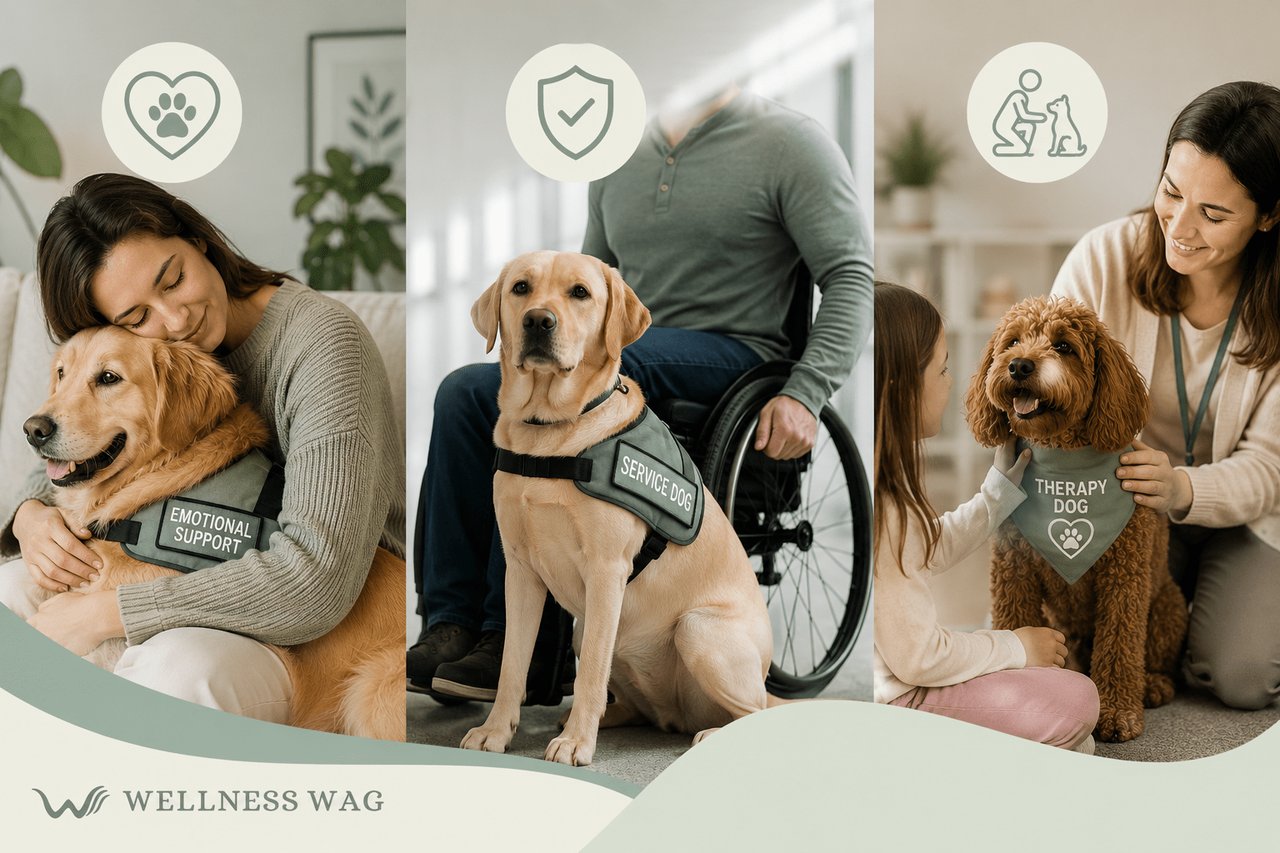
Students with disabilities may keep an ESA in their University housing if the animal is necessary to afford them an equal opportunity to use and enjoy campus housing. The relationship between the disability and the need for the ESA must be documented, and approval must be obtained from the SDS. Approved assistance animals are permitted only in privately assigned housing.
Service Animals
Service animals are dogs or miniature horses individually trained to perform work or tasks directly related to a person’s disability, such as guiding people who are blind, alerting people who are deaf, pulling wheelchairs, alerting during seizures, or reminding individuals with psychiatric conditions to take medications. Service animals are generally permitted throughout campus except in restricted areas where health or safety may be compromised.

Application Process for an ESA
Step 1: Submit Registration and Documentation
Submit the Service and Assistance Animal Registration Form to the Weingarten Center or Student Disability Services. Documentation must include:
- Verification from a healthcare provider
- Explanation of disability-accommodation relationship and why the animal is necessary for equal housing access
Step 2: Review and Evaluation
Step 3: Submit Health Documentation
Step 4: Obtain Roommate Consent and Housing Confirmation

Responsibilities of ESA Owners
- The student is responsible for the care and supervision of their ESA, including cleaning up after the animal and ensuring it does not interfere with the routine activities of the dormitory or cause difficulties for others.
- ESAs must be vaccinated and have a clean bill of health from a licensed veterinarian. Students are responsible for any damage caused by their ESA and are encouraged to maintain liability insurance.
- An emergency contact must be designated to care for the ESA if the student is unavailable.
- Resubmit registration forms and health documentation annually each academic year.
- If conflicts arise due to the presence of an ESA, the University will work to resolve them, considering the needs of all parties involved.
Conflicting Needs and Resolutions
Students with medical conditions affected by animals must contact the Weingarten Center or Student Disability Services with health or safety concerns. The University will reasonably accommodate individuals with conflicting medical conditions. The Weingarten Center resolves conflicts in a timely manner considering all persons’ needs and may consult with Penn Student Health staff.
Important Considerations
- ESAs are only permitted in the student’s dormitory or rental unit and are not allowed in other campus buildings.
- Service animals are not allowed in clinical spaces unless specific accommodation has been granted.
- Students are typically approved for only one ESA, and each request is evaluated on a case-by-case basis.
- The University may deny requests if animals are too large for assigned residences.







 Ask ChatGPT
 Ask Claude
 Ask Perplexity