

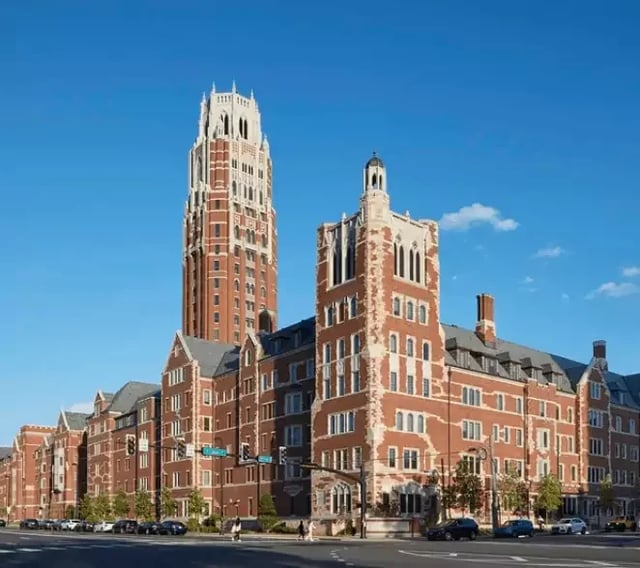
Vanderbilt University is committed to providing reasonable accommodations to students with disabilities. The university complies with the Fair Housing Act in allowing students the use of Emotional Support Animals that are approved as a reasonable accommodation. This policy ensures that students with ESAs have equal opportunity to use and enjoy university housing while maintaining health, safety, and respect for all community members. Student Access administers all ESA accommodations in university housing.
Legal Framework
Vanderbilt University’s Emotional Support Animal (ESA) policy is shaped by federal laws designed to protect individuals with disabilities. The key legal frameworks include:
Vanderbilt University complies with the Fair Housing Act in allowing students the use of Emotional Support Animals that are approved as reasonable accommodations. The FHA prohibits discrimination in housing based on disability and requires universities to make reasonable accommodations for individuals with disabilities, which may include allowing ESAs even in residences with no-pet policies.

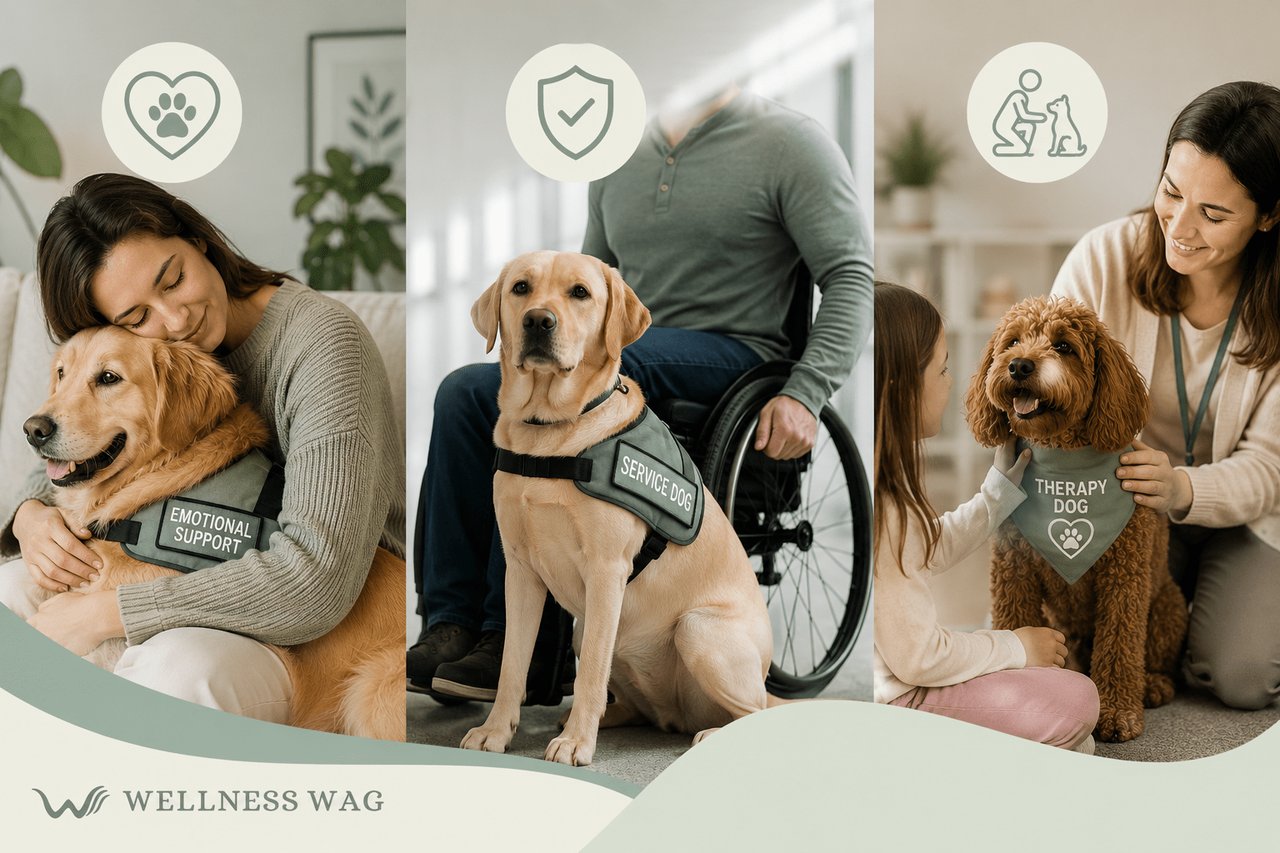
While the Americans with Disabilities Act (ADA) primarily governs public spaces and services, it distinguishes between Service Animals and Emotional Support Animals. The ADA recognizes Service Animals that are individually trained to perform specific tasks for individuals with disabilities. ESAs, which provide emotional support through companionship, are not granted the same public access rights under the ADA. ESAs are not permitted in Vanderbilt’s non-residential buildings or public spaces under ADA guidelines but are accommodated in approved housing under the FHA.

Section 504 prohibits discrimination based on disability in programs and activities offered by federally funded educational institutions. Under Section 504, Vanderbilt must provide reasonable accommodations to ensure students with disabilities have equal access to university programs, including housing accommodations.

Tennessee state laws and Metro Nashville Government ordinances also govern ESA policies at Vanderbilt. Dogs must comply with local ordinances requiring licensing and leash control. All dogs must be properly licensed and vaccinated and must wear appropriate tags. The university ensures full compliance with all relevant state and local regulations.

Fair Housing Act (FHA)
Vanderbilt University complies with the Fair Housing Act in allowing students the use of Emotional Support Animals that are approved as reasonable accommodations. The FHA prohibits discrimination in housing based on disability and requires universities to make reasonable accommodations for individuals with disabilities, which may include allowing ESAs even in residences with no-pet policies.
Americans with Disabilities Act (ADA)
While the Americans with Disabilities Act (ADA) primarily governs public spaces and services, it distinguishes between Service Animals and Emotional Support Animals. The ADA recognizes Service Animals that are individually trained to perform specific tasks for individuals with disabilities. ESAs, which provide emotional support through companionship, are not granted the same public access rights under the ADA. ESAs are not permitted in Vanderbilt’s non-residential buildings or public spaces under ADA guidelines but are accommodated in approved housing under the FHA.
Section 504 of the Rehabilitation Act of 1973
Section 504 prohibits discrimination based on disability in programs and activities offered by federally funded educational institutions. Under Section 504, Vanderbilt must provide reasonable accommodations to ensure students with disabilities have equal access to university programs, including housing accommodations.
State and Local Laws
Tennessee state laws and Metro Nashville Government ordinances also govern ESA policies at Vanderbilt. Dogs must comply with local ordinances requiring licensing and leash control. All dogs must be properly licensed and vaccinated and must wear appropriate tags. The university ensures full compliance with all relevant state and local regulations.
Who Qualifies for an Emotional Support Animal
Assistance Animals (ESAs)
Students with disabilities may keep an ESA in their university housing if the animal provides emotional support, well-being, or companionship that alleviates or mitigates symptoms of the student’s disability. The animal need not be individually trained. ESAs are not limited to dogs and can be other species of animal. Approval must be obtained from Student Access before bringing the animal to campus.
Service Animals
Students may use Service Animals on campus if the animal is a dog individually trained to do work or perform tasks for the benefit of the student with a disability. Service Animals may accompany students throughout campus including academic buildings, dining halls, and public spaces. Service Animals do not require prior approval but must be documented with Student Access and Housing and Residential Experience.

Application Process for an ESA
Step 1: Connect with Student Access
Step 2: Submit Documentation
Students must submit documentation from their diagnostician or current treating physician through the Commodore Access Portal. Documentation must include:
- Current diagnosis with date of most recent diagnosis
- Functional limitations caused by the disability
- How these limitations impact the student’s educational experience and housing needs
- Evidence that the ESA provides emotional support that alleviates or mitigates symptoms of the disability
- Personal knowledge from the healthcare provider of the student’s disability and need for the animal
Step 3: Interactive Review Process
Step 4: Approval and Notification
Responsibilities of ESA Owners
- The student is responsible for the behavior and care of the ESA at all times. Students are responsible for feeding, exercise, grooming, veterinary care, and cleaning up after the animal.
- ESAs must be contained within the privately assigned student living accommodation (room, suite, or apartment), except when taking the animal outside for natural relief.
- When an ESA is outside the student’s private living accommodation, the animal must be controlled by a leash or harness or contained in an animal carrier.
- Dogs must comply with Metro Nashville ordinances requiring dogs to be under full control by leash or cord. All dogs must be properly licensed and vaccinated and must wear appropriate tags.
- Dogs must be housebroken. Students must immediately clean up after and properly dispose of the animal’s feces by bagging it and placing it in appropriate trash receptacles.
- The living accommodation must be kept reasonably clean and free of animal odors. Students are financially responsible for all costs associated with damage to university property caused by the animal, including cleaning, repairs beyond reasonable wear and tear, and pest control.
- Students are responsible for ensuring the animal does not pose a threat to the health or safety of others. Animals exhibiting hostile or disruptive behavior may be required to be removed from the building or grounds.
- Students must provide Student Access with a photograph of the animal for registration purposes.
- If the student must leave campus for more than twenty-four hours or is otherwise unable to care for the animal, appropriate off-campus care must be arranged.
- ESAs are only permitted in university housing as long as they are necessary due to the student’s disability. Students must notify the university in writing if the animal is no longer needed or in residence.
Conflicting Needs and Resolutions
Individuals with allergies or other conditions that make them unable to share space with an animal should contact Student Access to discuss whether a disability accommodation is appropriate. Student Access and Housing and Residential Experience staff will collaborate to resolve conflicts related to ESAs, which may include alternative housing arrangements to meet the needs of all parties.
Important Considerations
- Visiting animals must be kept outdoors and leashed. No other animals besides approved ESAs and Service Animals are permitted on university property.
- Fish may be kept in aquariums in residential spaces, but flesh-eating and dangerous fish are prohibited.
- November 1 is the deadline for students returning for spring semester and December 1 deadline for requests for the upcoming academic year. Students should submit requests as early as possible to ensure timely processing.







 Ask ChatGPT
 Ask Claude
 Ask Perplexity