

Your emotional support animal is more than a pet. They're the companion who brings comfort when anxiety feels overwhelming, offers reassurance during stressful moments, and makes everyday life more manageable. But what happens when you find the perfect apartment in Savannah, only to discover that pets aren't allowed? You may have the right to request an exception.
If you have a qualifying mental or emotional disability, a legitimate ESA letter can help document your disability-related need for an animal and support a reasonable housing accommodation request. Under applicable federal and Georgia fair housing protections, eligible residents may request exceptions to no-pets policies and additional pet fees.

Money Back Guarantee
If Your ESA Letter is Not approved,
We Will Refund 100% of Your payment

Why Getting an ESA Letter Is Important?
For someone managing a qualifying mental or emotional disability, a companionship can make a meaningful difference. But what if your Savannah landlord has a strict no-pets policy? You shouldn't automatically have to choose between suitable housing and the animal that supports your well-being. A legitimate ESA letter can help document your disability-related need for an emotional support animal and support a reasonable housing accommodation request.
Under applicable federal and Georgia fair housing protections, eligible residents may request exceptions to pet restrictions. When an accommodation is approved, housing providers generally cannot charge additional pet rent or deposits for an assistance animal.
The biggest benefit is having the opportunity to build a comfortable home without losing the companionship you rely on.
Housing providers may evaluate accommodation requests, and legally recognized exceptions can apply. You're also responsible for your animal's behavior and any damage it causes. An ESA letter doesn't automatically provide free airline travel or access to restaurants, stores, and other pet-restricted public places. If your animal helps alleviate the effects of a qualifying disability, a professional evaluation can help determine whether ESA documentation is appropriate.
For Savannah residents, understanding the ESA accommodation process can help prevent confusion and unnecessary delays. Working with a licensed healthcare professional can help ensure your documentation reflects your disability-related needs. This allows you to approach your housing request with greater confidence while focusing on creating a stable and supportive home environment.
Know ESA Laws in Savannah, GA Before You Apply
In Savannah, individuals with qualifying disabilities may request reasonable housing accommodations for emotional support animals under applicable federal and Georgia fair housing protections. Depending on the circumstances, these requests can include exceptions to no-pets policies and ordinary pet fees. Georgia's Mara Jade Act, effective July 1, 2026, expanded certain state disability protections to include mental impairments while maintaining an important distinction between trained service dogs and emotional support animals.
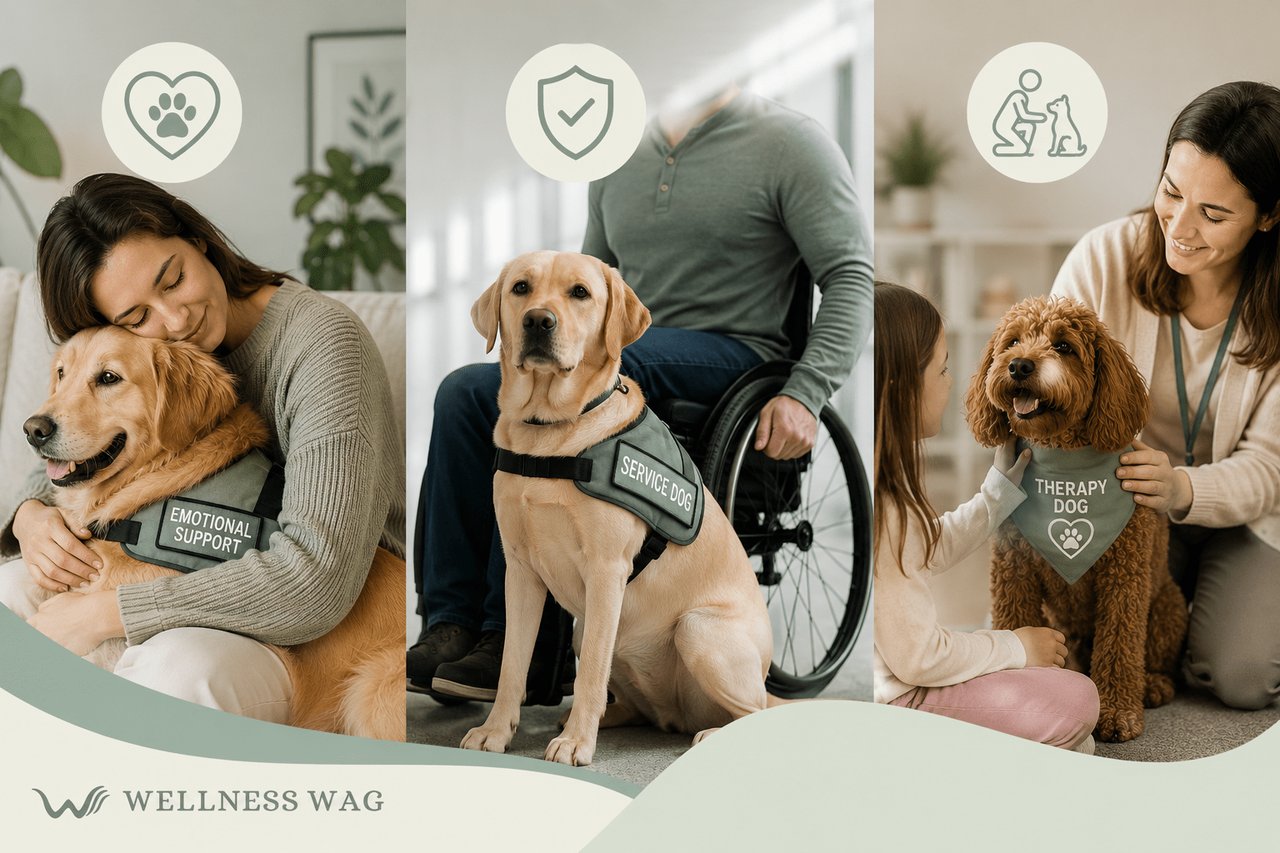
An ESA isn't automatically a service animal. Trained service dogs receive specific public-access protections. Emotional support animals generally don't receive those same rights under the Americans with Disabilities Act. Airlines may also treat ESAs as pets and apply standard transportation fees.
A reliable documentation from a qualified healthcare professional can help establish your disability-related need when appropriate. HUD also issued revised federal assistance-animal enforcement guidance in May 2026. Its narrower interpretation doesn't automatically bind courts or override applicable state protections, so accommodation decisions require careful consideration. For Savannah residents, choosing a qualified healthcare professional can make the ESA evaluation process more reliable and straightforward.
A personalized assessment helps ensure your documentation reflects your disability-related needs. With proper documentation, you can approach your housing provider with confidence while understanding that accommodation requests are reviewed under applicable fair housing laws.
Find a Licensed ESA Professional
Instead of paying for an instant certificate, choose a healthcare provider who can evaluate whether an emotional support animal is appropriate for your situation. Start by speaking with your current therapist, psychiatrist, or healthcare provider. You can also explore online evaluation services connecting Savannah residents with professionals authorized to practice in Georgia.
Before booking, verify the provider's credentials and confirm that the process includes a genuine clinical evaluation. Georgia doesn't require California's specific 30-day provider relationship period, but reliable documentation remains important. During your consultation, explain your mental health challenges and how your animal supports your daily life. If clinically appropriate, your provider may issue an ESA letter supporting your reasonable housing accommodation request.

Schedule Your ESA Letter Evaluation
Connect with a qualified healthcare professional authorized to practice in Georgia and schedule a consultation to discuss your needs. Relevant medical records may help your clinician understand how your animal supports your emotional well-being.
During the assessment, the professional will evaluate whether you have a qualifying disability-related need for an emotional support animal. If clinically appropriate, they may issue documentation supporting your reasonable housing accommodation request. Your housing provider evaluates that request under applicable law, so approval isn't guaranteed.








 Ask ChatGPT
 Ask Claude
 Ask Perplexity